


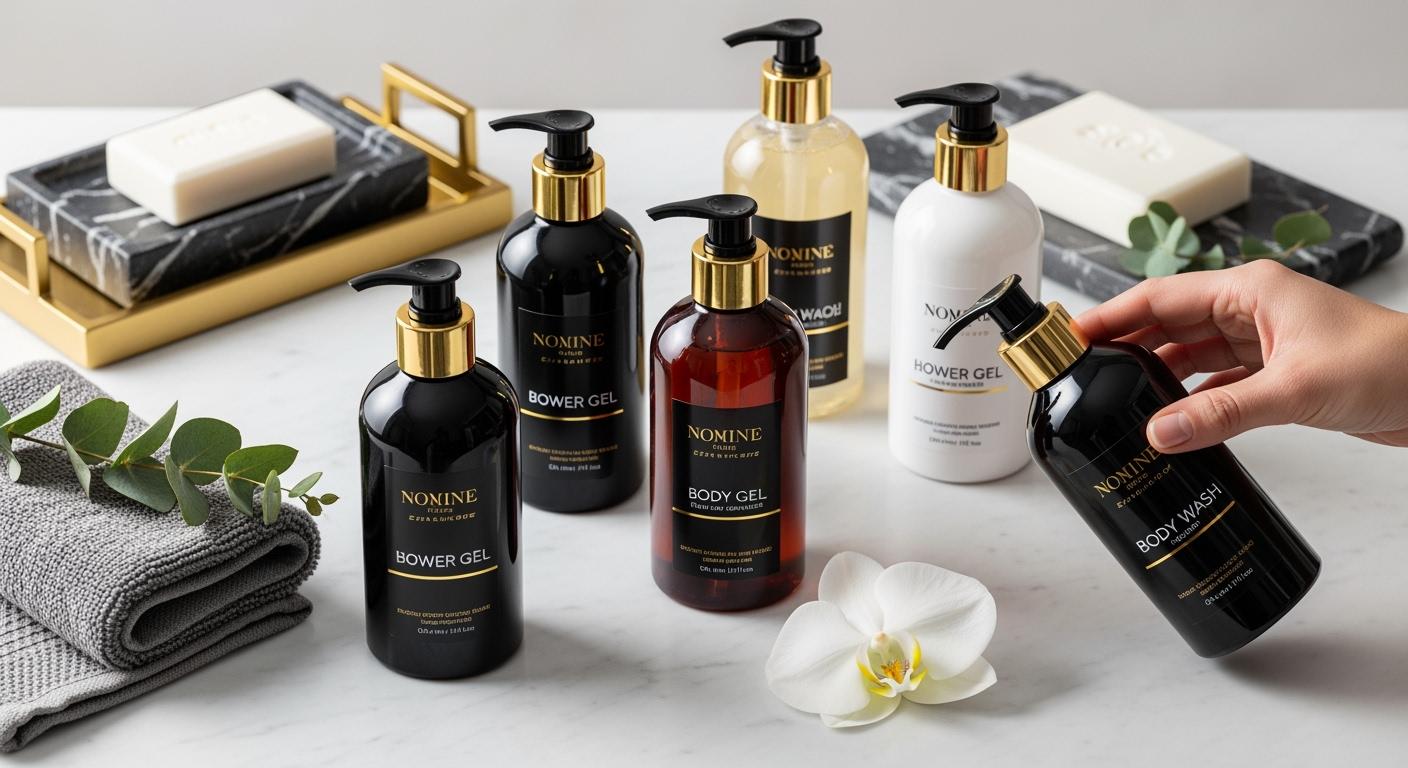
You make critical decisions when selecting bottles for Shower Gel and Body Wash in your personal care line. The right bottle protects your formula, shapes customer perception, and elevates your brand. Packaging design and material selection matter—72% of consumers say design influences their purchase, and 67% consider the materials used. High-quality, recyclable bottles from reputable manufacturers signal value and sustainability. As a B2B buyer, you must evaluate suppliers, ensure regulatory compliance, and maintain a reliable supply chain for your products.
Key Takeaways
Choose the right material for your bottles. Options like PET, HDPE, and glass each have unique benefits that affect product safety and brand perception.
Consider bottle size and shape carefully. Standard sizes fit retail needs, while unique shapes can enhance user experience and brand recognition.
Select effective dispensing mechanisms. Pumps and flip-tops can improve usability and reduce waste, ensuring customer satisfaction.
Focus on sustainability. Use eco-friendly materials and designs to meet consumer demand and regulatory standards while reducing environmental impact.
Partner with reputable manufacturers like Oulete. Ensure they provide quality assurance and sustainability claims to maintain your brand’s integrity and reliability.
Part1: Material Choices for Shower Gel and Body Wash Bottles
Choosing the right material for your Shower Gel and Body Wash bottles is a critical step in product development. The material you select impacts product safety, sustainability, cost, and your brand’s reputation in the market. Let’s explore the most common options and what you need to consider as a B2B buyer.
1.1 PET, HDPE, and PP Plastics
You will find that PET (polyethylene terephthalate), HDPE (high-density polyethylene), and PP (polypropylene) are the most widely used plastics for personal care packaging. These materials offer several advantages:
PET provides excellent clarity, making it ideal for showcasing vibrant formulations. It is lightweight and shatter-resistant, which helps reduce shipping costs and breakage.
HDPE is known for its durability and chemical resistance. It works well for products that require a sturdy container.
PP offers flexibility and is often used for closures and airless pump bottles. For example, you can explore PP airless bottles for formulas that need extra protection from air exposure.
While these plastics do not biodegrade and can persist in landfills for hundreds of years, recycling can help reduce their environmental impact. In the United States, PET achieves a recycling rate of about 28%, while HDPE’s rate is around 10-15%. PET’s higher recycling rate comes from its clarity and frequent use in single-use containers. However, the overall recycling rate for plastic packaging remains low, with only 4.5% recycled out of 35.7 million tons of plastic waste generated in 2018. Using post-consumer recycled (PCR) plastics can significantly lower energy consumption and emissions. For example, PCR PET can reduce energy use by 79% and emissions by 67%.
When you choose plastics for Shower Gel and Body Wash packaging, consider not only the cost and durability but also the recyclability and environmental footprint. Many regions, such as North America and Europe, now favor eco-friendly packaging due to rising environmental awareness. Asia Pacific markets still prefer cost-effective plastics but are shifting toward sustainable options.
1.2 Glass and Metal Options
Glass and metal bottles offer a premium look and feel for Shower Gel and Body Wash products. These materials can elevate your brand and appeal to customers seeking luxury or eco-conscious solutions. Here is a comparison of the main options:
Material | Advantages | Disadvantages |
|---|---|---|
Glass | Chemically inert, fully recyclable, high-end appeal | Fragile, heavier, more expensive |
Metal | Durable, recyclable, premium look | Heavier, more costly, corrosion risks |
Plastic | Lightweight, cost-effective | Environmental concerns, potential chemical leaching |
Glass bottles, such as glass dropper bottles, provide excellent protection for sensitive formulas and do not react with ingredients. They are fully recyclable and align with sustainability goals. However, glass is heavier and more prone to breakage, which can increase shipping costs and handling risks. Metal bottles offer durability and a modern aesthetic, but they may face corrosion issues if not properly lined. Both glass and metal tend to cost more than plastic, so you should weigh the benefits against your budget and target market.
Tip: If you want to position your Shower Gel and Body Wash line as premium or eco-friendly, glass or metal packaging can help reinforce that image. However, always assess the impact on logistics and cost.
1.3 Material Compatibility
Selecting the right material goes beyond appearance and cost. You must ensure that the bottle material is compatible with your product formulation and meets regulatory requirements. Here are key factors to consider:
Factor | Details |
|---|---|
Ingredient Restrictions | The EU bans over 1,300 ingredients; the US FDA restricts certain agents and preservatives. |
Certification Requirements | Halal certification for the Middle East; organic products must use Ecocert and COSMOS-certified materials. |
Material Properties | Containers must be chemical and fungal resistant, UV protective, and not absorb product components. |
Sustainability | Use of biodegradable materials and eco-responsible packaging is increasingly important for compliance. |
Choose materials that resist chemical reactions with your Shower Gel and Body Wash formulas.
Ensure bottles withstand both high and low temperatures during storage and transport.
Consider biodegradable, reusable, and recyclable options to meet growing sustainability demands.
Material selection also affects shelf life and product stability. For example, strong seals and high barrier properties help maintain fragrance and protect active ingredients. Always verify that your chosen packaging supports the integrity and safety of your product throughout its lifecycle.
By carefully evaluating these factors, you can select bottle materials that protect your Shower Gel and Body Wash products, support your brand values, and meet the expectations of both regulators and customers.
Part2: Size, Shape, and Dispensing Design
2.1 Standard Bottle Sizes
Selecting the right bottle size for your Shower Gel and Body Wash line impacts both your brand image and operational efficiency. Standard sizes, such as 200ml, 250ml, and 500ml, remain popular in the personal care industry. These sizes fit well with retail shelving and shipping requirements. You can also offer travel-friendly options, like 50ml or 100ml, to meet the needs of hotels or sample programs. When you choose bottle sizes, consider your target market, usage frequency, and distribution channels. Bulk sizes may appeal to spas or gyms, while smaller bottles suit retail and e-commerce.
2.2 Shape and Ergonomics
Bottle shape and ergonomic design play a key role in user experience and brand differentiation. You can use unique shapes, colors, and textures to attract attention on crowded shelves. Ergonomic designs consider hand shape for effective handling, making it easier for end users to grip and dispense product. Packaging that feels comfortable and intuitive enhances daily routines and reduces barriers to use. Minimalist and clean designs remain popular, but asymmetrical or custom shapes can help your brand stand out. For inspiration, explore lotion bottles with pump that combine ergonomic features with modern aesthetics.
Ergonomic packaging improves comfort and ease of use.
Unique shapes and textures support brand recognition.
Accessible designs reduce barriers for all users.
2.3 Dispensing Mechanisms
Dispensing mechanisms directly affect product usability and waste reduction. Pumps, flip-tops, and squeeze caps each offer distinct advantages. High-quality, leak-proof pumps ensure precise dispensing and minimize waste, which is essential for both customer satisfaction and cost control. Wide openings allow for easy refilling, supporting sustainable practices and reducing plastic waste. Refillable bottles also help create a more organized and eco-friendly bathroom space. When selecting a dispensing system, match it to your product’s viscosity and intended use. For thicker formulas, pumps or airless dispensers work best. For lighter gels, flip-tops or squeeze tubes may be more suitable. You can review cosmetic tube packaging for flexible options that suit a range of viscosities.
Tip: Always test dispensing mechanisms with your actual formula to ensure compatibility and optimal performance.
Part3: Branding, Color, and Labeling
3.1 Design and Customization
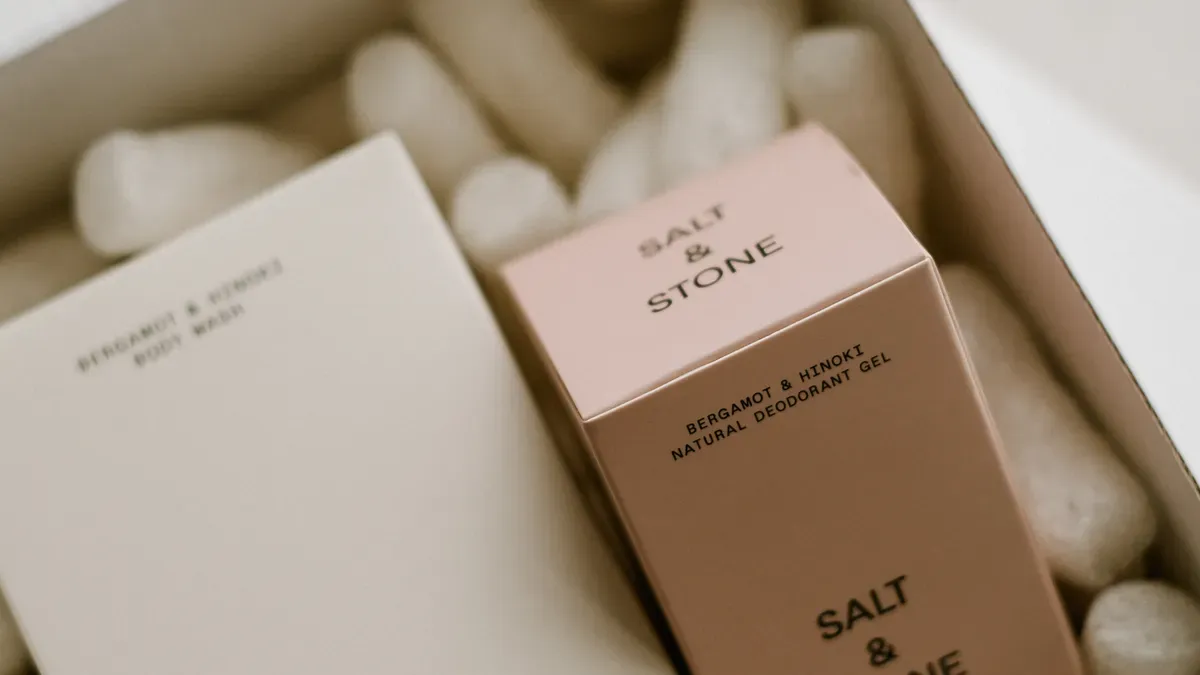
You shape your brand’s identity through bottle design and customization. Packaging serves as the first interaction a customer has with your brand. Consistent visual elements, such as colors and fonts, build trust and recognition. Distinctive packaging helps your products stand out in competitive markets. You can use custom bottle shapes, embossing, or unique closures to reinforce your brand’s story. Custom packaging offers a platform for storytelling and connecting with consumers on an emotional level. You can use the bottle design and labels to communicate the history, heritage, or unique aspects of your product, creating a deeper connection with consumers.
Memorability is a crucial factor in building brand awareness and driving customer loyalty. Whether displayed at home or enjoyed in social settings, an intriguing or unique bottle can generate discussions among enthusiasts.
Customization is emerging as a key trend in the personal care packaging market. Brands are increasingly offering personalized packaging solutions that cater to individual consumer preferences. You can explore custom packaging solutions to differentiate your Shower Gel and Body Wash bottles and align them with your brand vision.
3.2 Color and Finish Alignment
Color and finish play a major role in influencing consumer perception and purchase intent. You can select a color palette that matches your brand’s personality and target market. Surface finishes, such as matte, gloss, or soft-touch, can alter the perception of color and make your packaging feel more luxurious or approachable. A refined color palette raises quality expectations, while brighter colors suggest accessibility.
Aspect | Evidence |
|---|---|
Color Psychology | Color can evoke emotions and influence consumer behavior, impacting purchase intent. |
Surface Finish Impact | Different finishes can alter the perception of color, making it feel more luxurious or approachable. |
Quality Expectations | A refined color palette can raise quality expectations, while brighter colors suggest accessibility. |
You can align bottle color and finish with your brand identity to attract your target customers. For inspiration, brands like Tiffany & Co. use signature colors to convey exclusivity, while minimalist designs reflect premium quality.
3.3 Labeling Techniques
Labeling strategies help you communicate product benefits and regulatory information. You can choose from several effective labeling techniques:
Label Type | Description | Ideal For |
|---|---|---|
Front and Back Labels | Combines visual appeal with detailed information; front for branding, back for compliance. | Beverages, sauces, personal care items |
Wrap Around Labels | Provides a cohesive design and ample space for branding and information. | Bottles, jars, cans |
Shrink Sleeve Labels | Conforms to container shape, offering full coverage and tamper-evident features. | Energy drinks, nutraceuticals |
Packaging design influences the overall brand experience from shelf presence to unboxing.
The choice of materials and finishes communicates your brand’s value and positioning.
Matching label materials to packaging ensures adhesion and durability.
Adapting labels to environmental conditions, such as temperature and humidity, maintains label quality.
You can explore custom labeling services to enhance your Shower Gel and Body Wash bottles and ensure compliance with industry standards.
Packaging choices, such as bottles, tubes, and sachets, significantly influence brand positioning by enhancing consumer perceptions and aligning with sustainability initiatives. Bottles offer durability and design flexibility, which can enhance shelf presence and attract customers. These strategies help you differentiate your products and improve market competitiveness.
Part4: Sustainability and Supplier Selection
4.1 Eco-Friendly Packaging
You can advance your sustainability goals by choosing eco-friendly packaging for your Shower Gel and Body Wash bottles. Many brands now use post-consumer recycled (PCR) plastics, biodegradable materials, and refillable systems. Refillable pouches and in-store refill programs reduce single-use plastic waste. Returned packaging initiatives encourage customers to recycle containers, while biodegradable and dissolvable options minimize environmental impact. Minimalist packaging uses fewer materials, lowering waste and enhancing visual appeal. Waterless beauty products also reduce packaging needs. You can explore eco-friendly packaging solutions to align your product line with these trends.
Note: Eco-friendly packaging not only supports environmental responsibility but also meets growing regulatory and market demands for sustainable practices.
4.2 Lightweighting and Recycling
Lightweighting packaging offers clear benefits for your business and the environment. By using less material, you reduce resource extraction and carbon emissions during manufacturing and transportation. Cost efficiency improves because production expenses drop, allowing savings to be passed to customers. Lightweight bottles make products easier to handle and match consumer preferences for sustainability.
Benefit | Description |
|---|---|
Lower Environmental Impact | Reduces resource extraction and carbon emissions during manufacturing and transportation. |
Cost Efficiency | Lowers production expenses by using less raw material, allowing savings to be passed to consumers. |
Improved Consumer Experience | Makes products easier to handle and aligns with consumer preferences for sustainability. |
Recycling remains essential for reducing waste. You should select materials with high recycling rates, such as PET and HDPE. Incorporating PCR content and refillable designs further supports your sustainability objectives. For refillable options, review refillable packaging solutions to enhance your product offering.
4.3 Choosing Reputable Manufacturers
Selecting reputable manufacturers ensures quality and supply chain reliability for your bottle packaging. You should evaluate suppliers based on customization capabilities, verified sustainability claims, and robust quality assurance processes.
Criteria | Description |
|---|---|
Customization vs. Stock Molds | Evaluate if the manufacturer offers custom tooling for unique branding or only stock options. |
Verified Sustainability Claims | Check for documentation on PCR availability and refillable systems to ensure environmental compliance. |
Quality Assurance (QA) | Ensure robust QA processes are in place, including leakage and compatibility testing. |
Supply chain reliability helps you comply with safety regulations and maintain brand equity. A reputable manufacturer builds consumer trust and supports successful product launches. Quality control integrated into the supply chain prevents costly recalls and protects your brand reputation.
Tip: Request samples before placing large orders and monitor production quality. Build long-term partnerships with suppliers for ongoing collaboration.
You can strengthen your Shower Gel and Body Wash line by partnering with manufacturers who meet these criteria and support your sustainability goals.
When you select bottles for your Shower Gel and Body Wash line, focus on material, size, design, sustainability, and supplier reliability. Align packaging with your brand and product needs to stand out in the market. Take these steps for success:
Best Practice | Description |
|---|---|
Strategic Planning | Build a strategy that covers current and future product lines. |
Understanding Target Audience | Make sure packaging appeals to your customers. |
Reviewing Competition | Study competitors’ packaging for better decisions. |
Professional Design | Use professional die cuts and labels for clear displays. |
Marketing Considerations | Ensure packaging fits your sales and marketing plans. |
Consult with packaging experts or request samples before finalizing choices. For guidance, consider oulete’s expertise in personal care packaging solutions.
FAQ
What bottle materials work best for shower gel and body wash?
You can choose PET, HDPE, or PP plastics for most formulas. These materials offer durability, chemical resistance, and recyclability. Glass and metal bottles suit premium lines but cost more and require careful handling.
How do I select the right bottle size for my product line?
You should match bottle size to your target market and distribution channel. Standard sizes like 200ml, 250ml, and 500ml fit retail shelves. Smaller bottles work well for travel or sampling programs.
Which dispensing mechanism suits thick shower gel formulas?
You can use pumps or airless dispensers for thick gels. These mechanisms provide precise dosing and reduce waste. Flip-tops and squeeze caps work better for lighter, more fluid products.
What labeling options help meet regulatory requirements?
You can use front and back labels for branding and compliance. Shrink sleeve labels offer tamper evidence and full coverage. Always check local regulations for ingredient and safety information.
How do I verify a packaging supplier’s reliability?
You should request samples, review quality assurance processes, and check sustainability certifications. Reliable suppliers provide customization, consistent quality, and strong supply chain support.
Need reliable packaging for your shower gel or body wash line? Explore Oulete’s lotion bottle pump and custom cosmetic tube solutions for durable materials, easy dispensing, and brand-ready customization.