


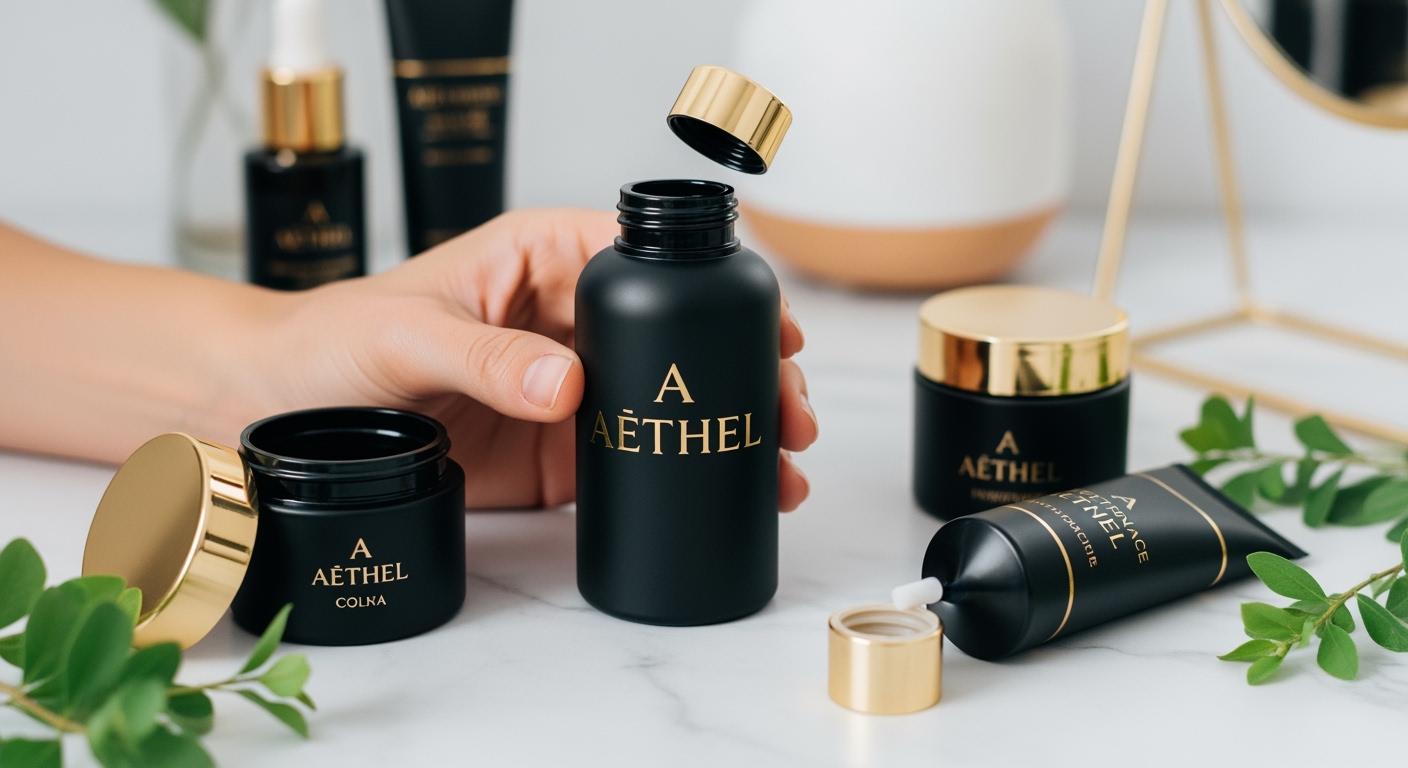
When you consider switching to refillable cosmetic packaging for your skincare bottles, you must evaluate several critical factors. Operational efficiency, financial impact, consumer demand, and sustainability goals all play a role in your decision. The table below highlights what many brands report as top concerns:
Factor Type | Key Consideration |
|---|---|
Sustainability | Minimalistic, recyclable, and biodegradable packaging aligns with eco-friendly values. |
Consumer Demand | Strong preference for eco-friendly packaging shapes brand strategies. |
Operational Efficiency | Sustainable packaging can integrate with minimal added costs. |
Financial Impact | Higher upfront costs may result in increased sales and stronger brand loyalty. |
You should always validate consumer interest and monitor current industry trends before making a significant investment.
Key Takeaways
Evaluate sustainability goals and consumer demand before switching to refillable packaging. This alignment can enhance brand loyalty and market appeal.
Test skincare formulas in refillable packaging to ensure stability and effectiveness. Protect sensitive ingredients with appropriate materials.
Focus on user experience by designing refillable bottles that are convenient, visually appealing, and easy to use. This can boost customer satisfaction and retention.
Prepare for upfront costs when transitioning to refillable systems. Conduct market research to validate consumer interest and avoid costly investments.
Educate customers about the benefits of refillable packaging. Clear communication can drive adoption and build trust in your brand.
Part1: Product Compatibility
1.1 Formula Stability
You need to ensure that your skincare formulas remain stable when using refillable cosmetic packaging. The packaging you select can directly affect the shelf life and effectiveness of your products. Sensitive ingredients, such as vitamin C or retinol, may degrade if exposed to light or air. Tinted bottles can help protect light-sensitive formulas, while airless pump systems can prevent oxidation and contamination.
Tip: Always test your formulas in the intended refillable packaging to confirm stability over time.
The choice of packaging is not just about branding. It plays a key role in maintaining the integrity of your skincare products. If you use active ingredients, you may need specialized containers to prevent degradation. This step helps you deliver consistent results to your customers.
1.2 Packaging Interaction
You must also consider how your formulas interact with the materials used in refillable cosmetic packaging. Some ingredients can react with certain plastics or metals, which may compromise product safety or quality. Selecting the right material prevents unwanted chemical reactions and ensures your product remains safe for use.
Here are some important points to keep in mind:
The choice of packaging materials can prevent interaction with sensitive actives.
Tinted containers may be necessary for light-sensitive ingredients.
Airless systems can help maintain the integrity of formulations.
You should also evaluate the durability of your refillable bottles. The table below shows typical refill rates and durability requirements for different refill systems:
Refill System Type | Refill Rate (%) | Durability Requirements (Cycles) |
|---|---|---|
Subscription Models | 40-60% | 500-1000+ for jars, 3000-5000+ for pumps |
Retail Refill Programs | 10-30% | 500-1000+ for jars, 3000-5000+ for pumps |
Standalone Products | <20% | 500-1000+ for jars, 3000-5000+ for pumps |
Selecting the right packaging ensures your skincare bottles meet both performance and safety standards. This step is essential for a successful transition to refillable cosmetic packaging.
Part2: Refillable Cosmetic Packaging Design
2.1 Material Innovation
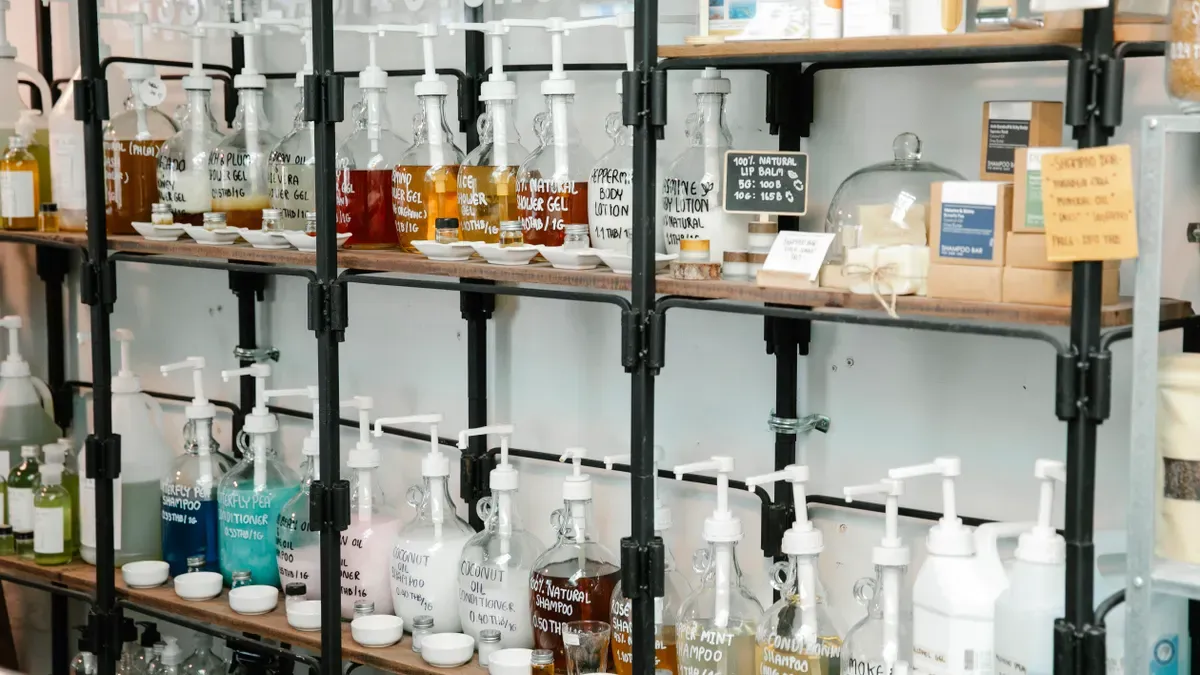
You need to evaluate the latest material innovations when designing refillable cosmetic packaging for skincare bottles. The industry now offers a wide range of options, each with unique benefits for sustainability and consumer appeal. Glass remains a popular choice for its durability and premium feel. Many brands now use glass as a long-lasting outer vessel, pairing it with efficient inner refills to reduce waste. Plastics have evolved into lighter, mono-material designs that are easier to recycle and refill. You can also explore refill pouches, thin-walled pods, and even biodegradable materials for your bottles.
Here are some notable material options and their characteristics:
Material Type | Description |
|---|---|
Polypropylene (PP) | Evolved for refillable lipstick pods and foundations; recyclable and eco-friendly. |
Polyethylene (PE) | Soft and flexible; used in squeezable bottles and tubes. |
Acrylonitrile Styrene (AS) | Durable and luxurious; used in airless bottles and compacts. |
Polyethylene Terephthalate (PET) | Lightweight and recyclable; ideal for travel-sized packaging. |
Polyethylene Terephthalate Glycol (PETG) | Combines glass-like beauty with durability; used for jars and bottles. |
Post Consumer Recycled (PCR) | Made from recycled plastic waste; eco-friendly option for bottles. |
Polylactic Acid (PLA) | Biodegradable plastic from plants; suitable for travel-sized packaging. |
Bamboo/Wood | Renewable and biodegradable; used for caps and containers. |
Paper | Versatile and sustainable; used for outer packaging and tubes. |
You can see how brands like The Body Shop have launched refillable aluminum lipstick tubes, while others such as bareLUXE Skincare offer refills in recyclable pouches and biodegradable jars. These innovations help you align your packaging with eco-friendly values and meet rising consumer expectations for sustainability.
Material choices do more than reduce waste. They also tell a story about your brand before the product is even used. When you invest in thoughtful, material-driven design, you position your skincare bottles to stand out in a crowded market. Refillable cosmetic packaging can reduce up to 70% of the beauty industry’s carbon emissions, making it a powerful tool for your sustainability goals.
2.2 User Experience
You must prioritize user experience when designing refillable cosmetic packaging for skincare bottles. Consumers expect packaging that is not only sustainable but also convenient and visually appealing. According to recent surveys, 62% of users rate sustainability as a top feature, but convenience and aesthetic appeal also rank highly.
User Experience Feature | Importance (%) |
|---|---|
Sustainability | 62% |
Convenience | High |
Aesthetic Appeal | High |
You can enhance the luxury feel of your bottles by using advanced materials and technologies. For example, metallic packaging signals quality through its weight and shine. Drop-in cartridge systems turn refilling into a sophisticated ritual, which elevates the consumer experience. Many refillable designs create long-lasting, cherished items that reinforce your brand’s premium image.
Personalization also plays a key role. Refillable cosmetic packaging supports customized options, allowing you to engage your customers more deeply. Technologies like subscription platforms can further improve convenience, making it easier for users to access refills and maintain their skincare routines.
Tip: Focus on intuitive design. Make sure your refill system is easy to use, leak-proof, and maintains the luxury feel your customers expect.
2.3 Hygiene & Quality
You must ensure that your refillable cosmetic packaging meets strict hygiene and quality standards. This is essential for protecting both your products and your customers. International standards such as ISO 22716 provide guidelines for Good Manufacturing Practices (GMP) in cosmetic packaging. These standards help you prevent contamination and maintain material integrity throughout the product’s lifecycle.
Standard | Description |
|---|---|
GMP | Ensures products are consistently produced and controlled according to quality standards, crucial for preventing contamination and ensuring consumer safety. |
ISO 22716 | International standard for GMP in cosmetics, applicable to packaging suppliers to prevent contamination and maintain material integrity. |
Heavy Metals Regulation | Limits the intentional introduction of heavy metals in packaging to ensure safety, with specific concentration thresholds. |
You should also monitor for heavy metals in your packaging materials. Regulations prohibit the intentional introduction of certain heavy metals, setting strict limits to protect consumer health. By following these guidelines, you can maintain the trust of your customers and uphold your brand’s reputation for quality.
Note: Always work with suppliers who follow GMP and ISO 22716 standards. This ensures your refillable cosmetic packaging meets the highest safety and quality requirements.
Part3: Supply Chain & Logistics
3.1 Manufacturing Changes
You must prepare your manufacturing process for the unique demands of refillable cosmetic packaging. Traditional bottle production often uses single-use molds and materials. Refillable systems require more durable bottles that can withstand repeated use and cleaning. You may need to invest in new molds, machinery, or finishing techniques to ensure bottles meet higher durability standards.
You should also work closely with packaging suppliers. They can help you select materials that balance strength, weight, and sustainability. Many brands now use modular bottle designs. These allow you to swap out inner cartridges or pods while keeping the outer bottle intact. This approach reduces waste and streamlines your assembly line.
Tip: Test your refillable bottles for leak resistance and repeated opening and closing. This step helps you avoid costly recalls and maintain product quality.
3.2 Distribution & Refills
You will need to rethink your distribution strategy when you switch to refillable cosmetic packaging. Refill systems change how you ship, store, and display your bottles. You may ship lighter refill pods or pouches instead of full bottles, which can lower transportation costs and reduce your carbon footprint.
Many governments now enforce regulations to reduce plastic waste. These rules push brands to adopt refillable models. You will also notice a growing demand from retailers and consumers for eco-friendly packaging. Major skincare brands have already started using refillable systems, which has improved logistics and made supply chains more sustainable.
The table below highlights key factors that affect your distribution and refill logistics:
Factor Type | Description |
|---|---|
Regulatory Impact | Governments enforce rules to cut plastic waste, driving adoption of refillable packaging. |
Consumer Demand | More buyers want eco-friendly bottles, influencing your packaging decisions. |
Industry Adoption | Leading brands use refillable models, which improve logistics and sustainability in supply chains. |
You should plan for new inventory tracking methods. Refill pods and bottles may require separate storage and handling. You can also offer in-store refill stations or online subscription services to make the process easier for your customers. These changes help you stay competitive and meet both regulatory and market expectations.
Part4: Cost & Investment
4.1 Upfront Costs
You must prepare for significant upfront costs when you transition your skincare bottles to refillable cosmetic packaging. These costs include designing new bottle molds, sourcing advanced materials, and updating your production lines. Custom components, such as refill pods or cartridges, often require specialized tooling and higher-quality finishes. If you operate in the luxury beauty segment, you may face even higher expenses due to premium design and printing requirements.
The table below outlines typical cost ranges for different industry segments:
Industry / Category | Cost Range (Estimate) | Key Considerations |
|---|---|---|
Beauty & Personal Care | $20,000 – $100,000 | Ingredient lists, legibility, required icons |
Luxury Beauty | Higher (custom pods) | Premium design, advanced printing, unique finishes |
You should validate consumer interest before making large investments. Some brands have invested heavily in refillable systems without first confirming demand, which led to slow adoption and excess inventory. Conduct market research, pilot programs, or focus groups to gauge real interest in refillable bottles. This step helps you avoid costly missteps.
Tip: Start with a limited product line to test the market before scaling up your investment.
4.2 Ongoing Expenses
Once you launch refillable cosmetic packaging, you will notice a shift in your ongoing expenses. These costs often decrease over time compared to traditional packaging. You use less material for each refill, which lowers your material sourcing costs. Shipping lighter refill pods instead of full bottles reduces freight expenses. You also benefit from streamlined inventory management, as you only need to restock inserts rather than complete units.
Ongoing expenses for refillable packaging are generally lower due to reduced material use and lower freight costs.
Refillable packaging enhances customer retention through repeat purchases of inserts instead of full units.
Traditional packaging leads to continuous repurchase of full units, resulting in higher cumulative freight costs and ongoing material sourcing.
You can also expect higher customer retention rates. When you offer refills, your clients return to purchase inserts, which increases repeat business and strengthens brand loyalty.
4.3 ROI & Risk
You must weigh the return on investment (ROI) and potential risks before committing to refillable cosmetic packaging. The initial investment is higher because you need to develop new systems and update your supply chain. Over time, you can achieve substantial savings by reducing your reliance on single-use materials. Streamlined logistics and inventory management for refills also help you cut waste and operational costs.
Aspect | Details |
|---|---|
Initial Investment | Higher due to development of refillable packaging systems |
Long-term Savings | Substantial savings from reduced need for single-use materials |
Operational Efficiency | Streamlined logistics and inventory management for refills lead to reduced waste and costs |
You will also see benefits beyond cost savings. Sustainable practices can increase consumer loyalty and attract new clients who value eco-friendly solutions. The market trend toward sustainability continues to grow, which positions your brand as an industry leader. Refillable systems often drive higher repeat purchases, as customers return for refills instead of buying new bottles.
While the initial costs for implementing refillable packaging can be significant, the long-term benefits often outweigh these expenses. You can expect to see a reduction in production costs over time as you minimize reliance on single-use materials, which can lead to a favorable return on investment.
Note: Always validate market demand before making large investments. This approach reduces your risk and ensures your resources support real business growth.
Part5: Consumer Acceptance
5.1 Education & Communication
You need to educate your customers about the benefits and practicalities of refillable cosmetic packaging for skincare bottles. Clear communication helps you build trust and drive adoption. Many brands use education campaigns on social media and tutorials to show how refillable bottles reduce waste and save money. Ouai and L’Occitane highlight environmental impact and cost savings in their messaging. You can also engage your community through workshops and webinars. The Body Shop saw a 25% increase in consumer awareness after hosting events in emerging markets.
Consider these strategies to boost consumer understanding:
Launch social media campaigns with step-by-step refill tutorials.
Host webinars or in-store workshops to demonstrate refill processes.
Share case studies showing environmental and financial benefits.
Tip: Use simple visuals and clear instructions to explain how to refill bottles. This approach makes the process less intimidating and encourages repeat use.
5.2 Adoption Barriers
You must address several barriers when introducing refillable cosmetic packaging for skincare bottles. Many brands struggle with consumer education. Only 15% of surveyed brands offer refillable options, and just 2% track uptake. You need to invest in infrastructure, such as supply chains and in-store refill stations. Hygiene concerns remain a top priority. Consumers worry about contamination, so you must ensure bottles meet safety standards.
The table below summarizes key adoption barriers:
Barrier | Description |
|---|---|
Consumer Education | Low awareness and limited tracking of refill uptake |
Infrastructure | High investment in supply chains and refill stations |
Hygiene Concerns | Need for strict safety standards |
Initial Costs | Expensive durable containers |
Accessibility | Few refill stations in rural areas |
Standardization | Confusing formats and scalability issues |
Consumer Behavior | Resistance to changing habits |
Supply Chain Complexity | Challenges sourcing sustainable materials |
Market Penetration | Small brands face resource constraints |
Regulatory Variations | Global regulations complicate implementation |
You can overcome these barriers by investing in education, improving infrastructure, and standardizing refill formats. Focus on making the refill process easy and safe for your customers. This strategy helps you build loyalty and increase adoption rates for refillable cosmetic packaging.
Part6: Sustainability of Refillable Cosmetic Packaging

6.1 Environmental Impact
You need to evaluate the true environmental impact of refillable cosmetic packaging for skincare bottles. Many brands debate whether glass or plastic offers better sustainability. Glass bottles provide durability and can be recycled many times without losing quality. However, glass production uses significant energy. Plastic bottles are lighter and cheaper, but most end up in landfills. In Britain, 95% of cosmetics packaging gets discarded, which highlights the waste problem with single-use bottles.
Refillable systems help you minimize single-use plastics and support a circular economy. When you switch to refillable bottles, you can improve CO2 impact by 85% compared to using 12 disposable roll-ons. Refill pouches have become popular because they reduce plastic waste by at least 75%. Their lightweight nature leads to significant waste reduction and generates more than 99% less CO2 emissions than traditional glass containers. The Ellen MacArthur Foundation estimates that refillable beauty packaging could reduce greenhouse gas emissions by up to 70%.
Tip: Choose refillable bottles and pouches to cut waste and lower your carbon footprint.
6.2 Life Cycle Analysis
You should analyze the life cycle of your refillable cosmetic packaging to understand its sustainability. Glass bottles require more energy to produce, but their durability and recyclability often result in a lower total environmental impact compared to single-use plastics. Glass can be infinitely recycled, and closed-loop recycling can reduce carbon emissions by up to 50%. Refillable models outperform single-use glass bottles by reducing material use and waste.
Refill pouches offer convenience and efficiency. They use less material and help you reuse containers instead of treating them as single-use items. However, many refill pouches contain non-recyclable materials and seals, which can lead to landfill waste. You need to balance convenience with recyclability when selecting refill options.
Packaging Type | Durability | Recyclability | CO2 Emissions | Waste Reduction |
|---|---|---|---|---|
Glass Bottles | High | Infinite | Moderate | Moderate |
Plastic Bottles | Moderate | Limited | High | Low |
Refill Pouches | Low | Limited | Very Low | High |
You can achieve substantial efficiencies by reusing bottles and selecting refill systems that align with your sustainability goals. Consider the full life cycle of each packaging option to make informed decisions for your brand.
Part7: Regulatory & Safety
7.1 Compliance
You must ensure your refillable skincare bottles meet strict regulatory requirements. Global regulations now push brands to design packaging that supports recycling and reuse. Authorities set clear targets for reducing single-use packaging and encourage refillable solutions in the beauty sector. You need to track these requirements closely, as they impact your packaging design and supply chain decisions.
Requirement | Description |
|---|---|
Recycling | All packaging must be designed for easy recycling and reuse, promoting recyclable materials. |
Reuse | Targets for reducing single-use packaging and promoting refillable solutions are set for the beauty sector. |
Material Reduction | Regulations aim for a 5% reduction in packaging waste by 2030, increasing to 15% by 2040. |
In 2024, the Extended Producer Responsibility (EPR) will become harmonized across EU Member States. You will need to register your bottles and comply with new recyclability and labeling standards. This change means you must monitor updates in each market where you sell your products. Failing to comply can result in fines or product recalls, which can damage your brand’s reputation.
Tip: Work with regulatory experts to review your bottle designs before launch. This step helps you avoid costly mistakes and ensures your packaging meets all legal requirements.
7.2 Labeling
You must pay close attention to labeling rules for refillable cosmetic bottles. Each country may have unique requirements. For example:
France: You must include the Triman logo on your bottles. This symbol shows recyclability and guides proper disposal.
Italy: You need to provide detailed environmental labeling. This includes material identification and disposal instructions in Italian.
Clear and compliant labeling helps you build trust with retailers and consumers. It also supports your sustainability claims. Always update your labels as regulations change in your target markets. This practice keeps your products on shelves and protects your brand from legal risks.
Note: Accurate and transparent labeling is not just a legal requirement. It also demonstrates your commitment to sustainability and responsible business practices.
Part8: Brand Positioning
8.1 Market Differentiation
You can set your skincare brand apart by using refillable cosmetic bottles as a core part of your market strategy. Many brands now prioritize eco-friendly initiatives. Refillable packaging shows your commitment to sustainability and helps you stand out in a crowded market. You can attract new business clients and retail partners who value environmental responsibility.
Eco-friendly initiatives help you build a strong brand reputation.
Refillable bottles support your sustainability goals and appeal to modern buyers.
Offering refill programs can enhance the customer experience and boost sales.
You will notice that more customers want brands to reduce their environmental impact. The trend of upcycling and refillable packaging is growing. If you lead with refillable bottles, you can position your brand as an innovator in the skincare industry.
Tip: Highlight your refillable bottle program in your marketing materials to show your leadership in sustainability.
8.2 Messaging
You need to communicate your refillable packaging initiatives clearly to your business partners and customers. Leading brands use different strategies to share their message and strengthen their market position. The table below shows how top skincare brands use messaging to support their refillable bottle programs:
Brand | Strategy | Description |
|---|---|---|
L’Occitane | Innovative Designs | Meets eco-conscious demands with user-friendly and appealing bottles. |
Ouai | Education Campaigns | Uses social media and tutorials to explain refillable options. |
The Body Shop | Community Engagement | Hosts workshops and webinars about refillable packaging benefits. |
Chanel | Brand Leadership | Sets benchmarks with luxury refillable bottles that combine elegance and sustainability. |
Guerlain | Brand Leadership | Offers iconic refillable bottles that appeal to premium buyers. |
You can use these strategies to build trust and loyalty. Clear messaging about your refillable bottles helps you connect with partners who value sustainability. You also show that your brand leads in both innovation and responsibility.
When you evaluate refillable cosmetic packaging for your skincare bottles, focus on these essentials:
Align with sustainability goals and consumer demand for eco-friendly solutions.
Engage and educate your customers about refillable systems.
Streamline logistics to improve operational efficiency and reduce costs.
You can start by piloting refillable systems, using durable designs, and ensuring recyclability:
Next Step | Benefit |
|---|---|
Pilot select products | Test market response and gather feedback |
Monitor refill rates | Measure adoption and retention |
Refine packaging design | Improve user experience and quality |
Balance innovation, cost, and sustainability. Assess your readiness by reviewing material compatibility, scalability, and supplier reliability. Now is the time to position your brand as a leader in refillable cosmetic packaging.
FAQ
What types of skincare bottles work best for refillable packaging?
You should choose bottles made from durable materials like glass or high-grade PET. These options withstand repeated use and cleaning. Modular designs with removable inner cartridges also support easy refilling and help maintain product quality.
How do you ensure hygiene with refillable skincare bottles?
You must implement strict cleaning protocols for bottles before refilling. Work with suppliers who follow GMP and ISO 22716 standards. This practice helps you prevent contamination and maintain product safety.
What are the main challenges when switching to refillable bottles?
You may face high upfront costs, supply chain adjustments, and the need for consumer education. You must also ensure regulatory compliance and maintain product quality throughout the bottle’s lifecycle. Planning to switch to refillable bottles? Contact Oulete to explore suitable refillable packaging options and sample support for your skincare products.
How can you measure the success of a refillable bottle program?
Track refill rates, customer retention, and feedback from retail partners. Use data to refine your packaging design and improve operational efficiency. Regular monitoring helps you optimize your refillable system for long-term success.