


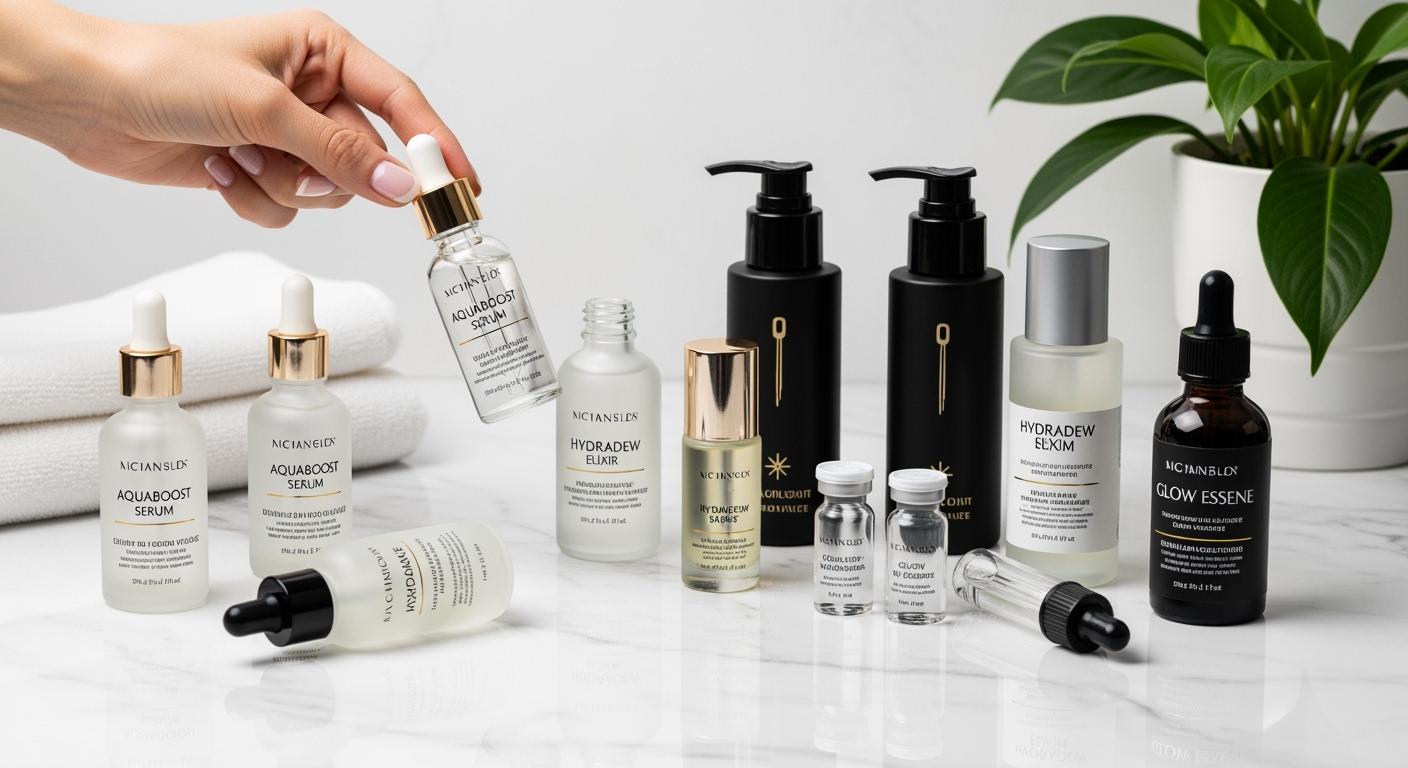
You want to choose bottles that protect your lightweight hydrating serums and enhance their effectiveness. Material, size, and dispensing mechanism matter for product stability and shelf life. Amber and frosted glass block UV rays and keep formulas stable. Airless systems stop air and contaminants, so your serum stays fresh longer. Secure closures prevent leaks and support hygiene. If you need reliable packaging, oulete offers expert solutions for B2B buyers.
Factor | Impact on Shelf Life and Effectiveness |
|---|---|
Packaging Material | Amber and frosted glass provide UV protection; glass offers stability. |
Airless Systems | Prevent air and contaminants, extending shelf life. |
Closures & Dispensing | Secure closures prevent leaks and exposure, supporting hygiene. |
Key Takeaways
Choose amber or frosted glass bottles to protect sensitive ingredients from UV rays and maintain serum stability.
Select airless pump bottles to minimize air exposure, reduce contamination, and extend the shelf life of your serum.
Match the bottle size to your serum’s potency; 15-30 ml is ideal for facial serums to reduce waste and ensure daily use.
Ensure secure closures and ergonomic designs for user-friendly application and to prevent leaks during use and shipping.
Test your serum with the chosen bottle before production to avoid compatibility issues and ensure product quality.
Part1: Choose Bottles: Key Criteria
1.1 Material Options
You need to select the right material when you choose bottles for lightweight hydrating serums. The material affects product stability, appearance, and sustainability. Glass, plastic, and acrylic are the most common choices. Glass offers a premium look and keeps your serum stable. Plastic is durable and cost-effective. Acrylic provides design flexibility and suits boutique brands.
Material | Advantages | Disadvantages | Best Use Cases |
|---|---|---|---|
Plastic | Cost-effective, flexible design, durable, compatible with various closures | Perceived as less premium, environmental impact, chemical sensitivity | Mass-market products and travel-sized lines |
Glass | Premium aesthetic, chemically stable, sustainable, temperature resistant | Heavy and fragile, higher cost, limited design flexibility | Luxury brands and eco-conscious companies |
Acrylic | Aesthetic versatility, durable, customizable, mid-range pricing | Environmental concerns, chemical vulnerability, weight considerations | Mid-to-high-end cosmetic lines and boutique skincare brands |
Amber glass bottles protect unstable actives like retinol and vitamin C from UV rays. Clear glass bottles work best for robust formulas such as basic hyaluronic acid. You should match the material to your serum’s needs and your brand’s image.
Tip: Glass is chemically inert and blocks air, moisture, and contaminants. This keeps your serum stable and effective.
1.2 Dispensing Mechanisms
Dispensing mechanisms play a key role in preserving serum quality and improving user experience. Airless pump bottles prevent air from entering and reduce contamination risk. Dropper bottles allow precise dosing but expose the serum to air and increase contamination risk. Jars offer easy access but expose the product to air and contaminants.
Feature | Airless Pump Bottles | Glass Dropper Bottles |
|---|---|---|
Air Exposure | Prevents air from entering | Allows air exposure |
Contamination Risk | Reduces risk due to no direct contact | Higher risk due to contact |
Product Dispensing | Delivers precise, consistent doses | Less precise dispensing |
Product Usage | Allows up to 95-98% usage | Lower usage rates |
Hygiene | Better hygiene with pump mechanism | Direct contact increases risk |
Shelf Life | Enhances shelf life by protecting ingredients | Shorter shelf life |
Waste Minimization | Reduces waste with precise dispensing | More waste due to excess use |
Airless pumps provide strong protection against oxidation and surface contamination. You get easy application with clean hands and no need for a separate applicator. Droppers require careful handling to maintain hygiene. When you choose bottles, consider how the dispensing mechanism affects both product preservation and user convenience.
1.3 Size Selection
Bottle size impacts product waste, consumer satisfaction, and regulatory compliance. Most concentrated serums come in 15-30 ml bottles, which suit face and neck applications. Smaller bottles can increase waste, while larger bottles reduce waste per unit volume. You should select a size that matches the potency and intended use of your serum.
Product Type | Common Volume (ml) | Primary Application Area | Potency Consideration |
|---|---|---|---|
Concentrated Serums | 15-30 | Face, Neck | High (e.g., Retinol, Peptides) |
The effectiveness of your serum depends on both formulation and packaging. Quality packaging preserves active ingredients and improves user experience. When you choose bottles, balance usability, perceived value, and waste reduction.
Note: Regulatory requirements may dictate bottle size and volume. Always check for compliance before finalizing your packaging.
1.4 Protection Features
Protection features help preserve the stability and efficacy of lightweight hydrating serums. UV-blocking glass, airtight seals, and tamper-evident bands are essential. Tinted glass can block up to 90% of UV radiation. Silicone gaskets and tamper-evident bands ensure leak-proof storage.
Feature | Description |
|---|---|
UV Protection | Tinted glass can block up to 90% of UV radiation, essential for serum stability. |
Seal Integrity | Silicone gaskets or tamper-evident bands ensure leak-proof storage, protecting the serum from exposure. |
Glass is non-reactive and keeps your serum’s composition stable over time. It also provides a barrier against air, moisture, and contaminants. When you choose bottles, look for features that extend shelf life and maintain product quality.
Industry standards like ISO 9001, ISO 22716, and ISO 15378 ensure quality management and good manufacturing practices. FDA certification and GMP compliance confirm safety and hygiene.
Emerging trends include refillable packaging, modular designs, and smart technology. These innovations promote sustainability and enhance consumer interaction. You can boost brand loyalty and reduce environmental impact by adopting these features.
Part2: Bottle Types for Serums
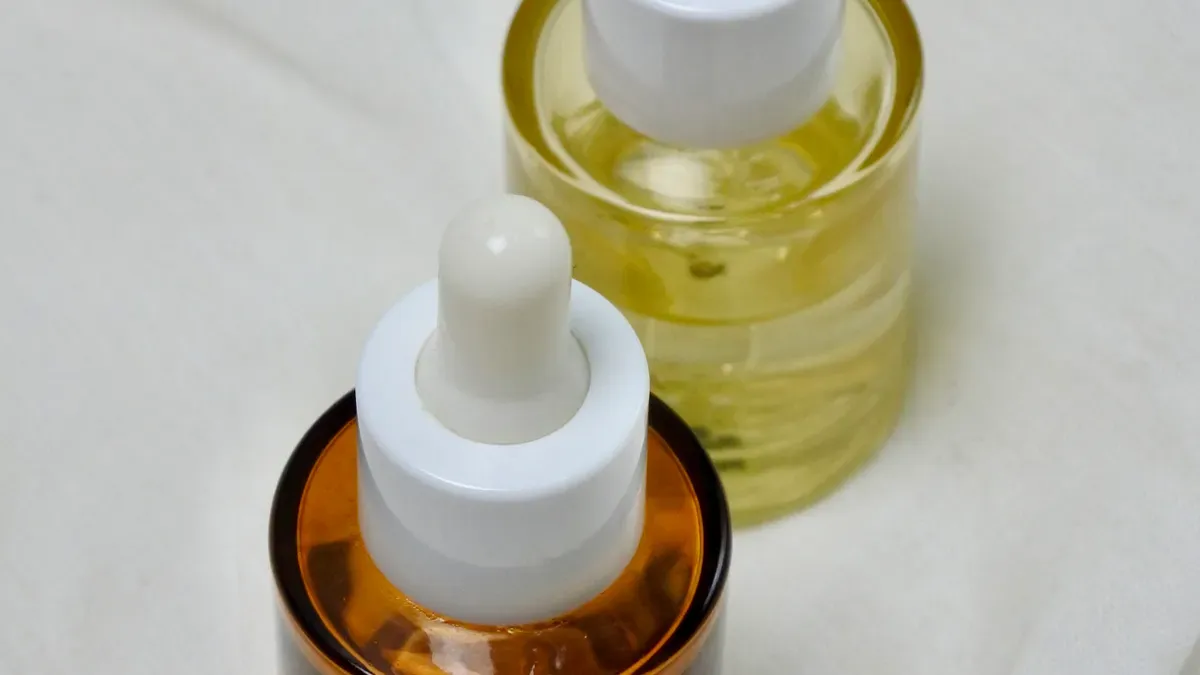
When you choose bottles for lightweight hydrating serums, you need to understand the main types available. Each bottle type offers unique benefits and drawbacks. The right choice depends on your formula, brand image, and user needs.
Bottle Type | Characteristics | Pros | Cons |
|---|---|---|---|
Glass Dropper Bottles | Made from borosilicate or soda-lime glass, available in various colors for UV protection. | Reusable, visually appealing, compatible with most serums. | Risk of microbial contamination, rubber bulbs may degrade. |
Airless Pump Bottles | Uses a vacuum mechanism to dispense product without air exposure. | Superior protection against oxidation, precise dose control. | Higher cost, harder to refill or clean. |
Spray Mist Bottles | Features fine mist sprayers, ideal for lightweight serums. | Convenient for even application, good for layering products. | Not suitable for thick serums, potential clogging. |
Rollerball Bottles | Fitted with a metal or gemstone roller tip, often for targeted treatments. | Cooling application, reduces contamination risk. | Limited compatibility with viscous formulas, harder to sanitize. |
2.1 Dropper Bottles
Dropper bottles give you precise dosing. You can apply the exact amount of serum needed without waste. The design limits direct contact with the product, which helps preserve freshness and reduces contamination. Glass dropper bottles look premium and suit most hydrating serums. Users appreciate the visual appeal and compatibility with thick formulas. However, you may face leakage issues or glass fragility. Rubber bulbs can degrade over time.
You get precision dosing for thick serums.
You minimize exposure to contaminants.
You maintain product freshness.
Tip: Always store dropper bottles upright to prevent leaks and preserve serum quality.
2.2 Pump Bottles
Pump bottles offer easy dispensing and consistent dosing. You press the pump to release a controlled amount of serum. This method keeps your hands clean and reduces waste. Pump bottles work well for medium-viscosity serums. Users like the convenience and hygiene. Plastic pump bottles are lightweight and affordable. Glass pump bottles provide a premium feel but weigh more and break easily.
Bottle Type | Advantages | Disadvantages |
|---|---|---|
Glass Bottles | Premium aesthetic, product preservation | Weight, fragility |
Plastic Bottles | Lightweight, range of shapes and sizes | Perception, potential for chemical leaching |
Pump Bottles | Easy dispensing, hygienic | Cost, complexity |
Note: Pump bottles suit daily routines and reduce product waste.
2.3 Airless Bottles
Airless bottles protect sensitive serums from air and contaminants. You press the pump, and a vacuum mechanism dispenses the product. This design keeps the serum fresh and prevents oxidation. Airless bottles provide cleaner dispensing and minimize waste. You get superior protection for formulas with active ingredients. Users value the hygienic experience and extended shelf life. Airless bottles cost more and are harder to refill or clean.
You minimize air exposure during dispensing.
You reduce product waste and contamination.
You maintain the integrity of sensitive formulas.
If you want to maximize serum stability, airless bottles are the best choice.
When you choose bottles, consider the formula, user preferences, and protection needs. The right bottle type improves product performance and user satisfaction.
Part3: Choose Bottles: Practical Tips
3.1 Formula Compatibility
You need to match your serum formula with the right bottle material and dispensing mechanism. If you ignore compatibility, you risk losing product quality and effectiveness. Some materials can react with active ingredients, causing them to break down or lose potency. Certain bottles may absorb key ingredients, making your serum less effective. Light and oxygen can damage sensitive molecules, so you must protect your formula from exposure. Poor dispensing systems can introduce air or contaminants, which lowers the serum’s quality.
Chemical reactions between bottle material and serum can degrade active ingredients.
Packaging materials may absorb important ingredients, reducing potency.
Exposure to light and oxygen breaks down sensitive molecules.
Dispensing mechanisms that allow air or contamination affect product safety.
Tip: Always test your serum with the bottle before large-scale production. This helps you avoid costly mistakes.
3.2 User Experience
You want your customers to enjoy using your serum every day. Easy-to-use bottles improve satisfaction and encourage repeat purchases. Choose bottles with precise dosage mechanisms to help users control how much serum they apply. Secure closures prevent leaks and keep the product clean. Airless pumps and droppers offer hygienic dispensing and minimize waste. If you select bottles that fit comfortably in the hand, you make application simple and pleasant.
Precise dosage mechanisms reduce waste and improve control.
Secure closures protect the serum and support hygiene.
Ergonomic designs make bottles easy to handle.
Note: A positive user experience builds trust and loyalty for your brand.
3.3 Portability & Sustainability
You need bottles that travel well and support eco-friendly practices. Lightweight materials lower shipping costs and make bottles easier to carry. Leak-proof caps and advanced sealing technology protect the serum and prevent spills. Refillable designs allow users to clean and reuse bottles, which extends the product lifecycle and reduces waste. UV-protective glass keeps ingredients stable during transport.
Feature | Benefit |
|---|---|
Advanced sealing technology | Prevents leaks and contamination, ensuring product integrity and extending shelf life. |
Lightweight materials | Reduces shipping costs and enhances portability for consumers. |
Refillable designs | Supports sustainability by allowing for easy cleaning and reuse, extending product lifecycle. |
Precise dosage mechanisms | Reduces product waste and enhances user experience by providing control over application. |
Refillable packaging is popular among eco-conscious consumers. You can reinforce your sustainability message by offering bottles that users can clean and reuse. When you choose bottles, consider both portability and sustainability to meet modern demands.
Part4: Mistakes to Avoid
4.1 Leaks & Spills
You must avoid leaks and spills when selecting bottles for lightweight hydrating serums. Leaks often happen because of improper sealing, material incompatibility, or mistakes during the filling process. If you choose a cap that does not fit the bottle, gaps can form and cause leaks. Some serum ingredients react with packaging materials, which increases the risk of leakage. Errors during filling can prevent proper sealing and make caps loosen during shipping.
Design Flaw | Description |
|---|---|
Improper sealing | Cap and bottle mismatch creates gaps, leading to leaks. |
Material compatibility | Serum ingredients react with packaging, increasing leakage risk. |
Filling errors | Spills during filling prevent proper sealing, causing caps to back off. |
Tip: Always check the compatibility between your serum formula and bottle material. Test the sealing process before mass production.
4.2 Contamination Risks
Contamination poses a serious threat to serum quality and safety. You increase the risk of microbial contamination if you use dropper bottles without proper sterilization. In 2025, recalls of natural serums in dropper bottles rose by 42% due to contamination. High-water-activity formulas, such as fresh aloe vera, need sterilization methods like a 70% ethanol soak. Even if your formula contains preservatives, careful handling remains essential, especially for lower-preservative systems.
Use sterilization methods for high-water-activity formulas.
Handle bottles carefully, even with preservatives.
Avoid packaging that exposes the serum to frequent contact.
Note: Contamination can ruin your product and damage your brand reputation.
4.3 Exposure to Air & Light
Exposure to air and light can degrade hydrating serum ingredients. Sensitive actives, such as vitamin C and retinoids, break down quickly when exposed to oxygen or UV rays. Airless pump dispensers minimize air exposure and prevent oxidation. Opaque or dark-tinted glass bottles protect light-sensitive ingredients from UV radiation. Jars and tubs are not recommended for unstable actives because each opening exposes the serum to air and contaminants. Airtight seals and protective materials help maintain ingredient stability.
Air and light exposure cause oxidation and photodegradation.
Airless pumps and tinted glass bottles protect sensitive ingredients.
Airtight seals limit oxygen and moisture exposure.
Choose packaging that shields your serum from air and light to preserve its effectiveness.
You can choose the best bottles for lightweight hydrating serums by following these steps:
Protect your serum from light and air.
Match the bottle material to your formula.
Pick a dispensing system that fits the serum’s texture.
Focus on user experience and shelf stability.
B2B Buyer Checklist:
Check your formula type and light sensitivity.
Select closures for precision and hygiene.
Test bottle ergonomics and compatibility.
Inspect for safety standards and clear labeling.
Partnering with oulete helps you stand out with packaging that boosts brand appeal and sales.
FAQ
What bottle material works best for sensitive serum formulas?
You should choose amber glass for sensitive formulas. Amber glass blocks UV rays and keeps active ingredients stable. Plastic bottles suit robust formulas but may react with some actives.
How do airless pump bottles protect my serum?
Airless pump bottles keep air out. You prevent oxidation and contamination. Your serum stays fresh longer and maintains its effectiveness.
Can I use dropper bottles for all hydrating serums?
You can use dropper bottles for thick serums. Thin, watery serums may leak or spill. Always test your formula with the bottle before production.
What size bottle should I select for facial serums?
You should select 15-30 ml bottles for facial serums. This size matches daily use and reduces waste. Smaller bottles suit travel kits.
How do I avoid leaks during shipping?
You must check seal integrity and cap fit. Use tamper-evident bands and silicone gaskets. Test bottles with your serum before shipping.