


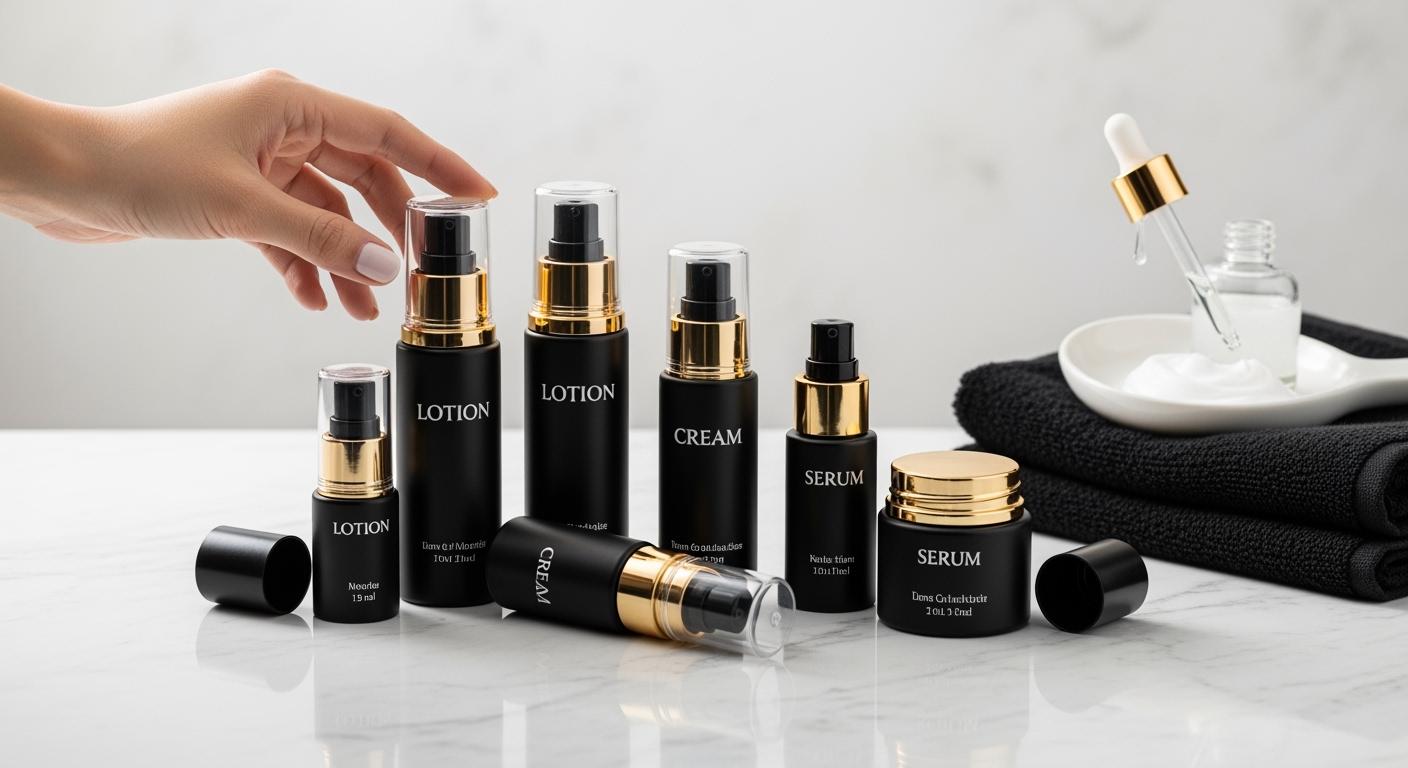
You need to choose airless bottles that match your lotion, cream, or serum’s viscosity for optimal performance and customer satisfaction. When you align the pump mechanism with your product’s consistency, you prevent clogging and leaking, which improves the user experience. Airless pumps handle a wide range of viscosities more effectively than standard dip tubes. Oulete, as a leading airless bottle manufacturer, supports B2B clients with solutions like PCR airless bottles, airless pump jars for skincare, custom dropper bottles, and cosmetic tube packaging.
Key Takeaways
Choose airless bottles that match your product’s viscosity to prevent clogging and ensure optimal performance.
Airless technology protects sensitive ingredients from oxidation, extending shelf life and maintaining product efficacy.
Select the right material and design for your airless bottles to enhance compatibility and support sustainability goals.
Consider the size of the bottle to align with your business model and improve user experience.
Stay informed about regulatory requirements to ensure compliance and support sustainability in your packaging strategy.
Part1: What Is an Airless Bottle
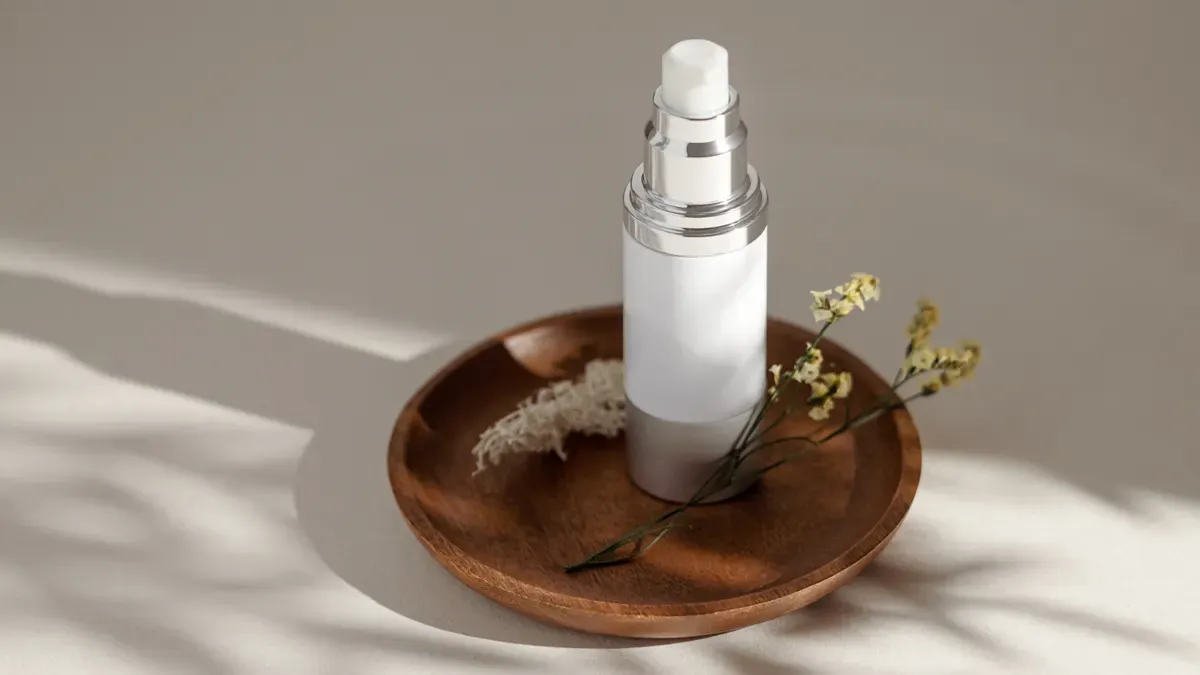
1.1 Airless Technology Overview
You see airless bottle technology as a game-changer in the skincare industry. Airless bottles prevent air from entering the container, which preserves the product’s effectiveness and prevents oxidation. This packaging ensures that your skincare formulations remain untouched by external contaminants from the first use to the last. Airless bottles protect sensitive ingredients like vitamins and antioxidants, maintaining their potency. The technology creates a vacuum seal, so each dose stays free from environmental pollutants.
Airless bottles protect skincare formulas from air and moisture.
The diaphragm system minimizes exposure to contaminants.
The vacuum seal prevents oxidation and keeps ingredients stable.
1.2 Airless Serum Pump Bottles Explained
Airless serum pump bottles use advanced mechanisms to deliver precise doses of skincare products. You benefit from two main systems: piston and flexible bag. The piston rises as you dispense the product, creating a vacuum that pushes the formula out. A one-way valve prevents air from entering, which preserves product integrity. The pump mechanism allows for accurate dosing and reduces contamination risk.
Component | Description |
|---|---|
Airless container/tank | Encloses the product in a system free from air contact, reducing microbial contamination and oxidation. |
Piston or diaphragm dispenser | Creates internal pressure to push the product upwards without a suction tube. |
Piston system | A sealed piston rises with each dispense, offering precise dispensing and reducing waste. |
Flexible bag system | Contains the formula in an inner bag that compresses with pump pressure, preventing air entry. |
Airless serum pump bottles support a wide range of viscosities, making them ideal for lotions, creams, and serums in the skincare industry.
1.3 Why Airless Matters for Skincare
You need airless bottles for skincare products because they prevent oxidation and contamination. This packaging keeps your formulas potent and safe, which is critical for B2B clients who want to deliver high-quality skincare solutions. Airless serum pump bottles maintain product integrity and extend shelf life. You can rely on airless technology to protect sensitive ingredients and ensure consistent performance from the first pump to the last.
Tip: Choosing airless bottles for your skincare line helps you meet industry standards and customer expectations for safety and efficacy.
Part2: Benefits of Airless Packaging
2.1 Product Protection and Shelf Life
You rely on airless bottles to protect your lotions, creams, and serums from air exposure. This packaging prevents oxidation and contamination, which helps maintain product integrity and extends shelf life. Airless technology proves especially valuable for natural and organic formulations with fewer preservatives. You see products last several months or even years longer in airless containers.
Airless bottles prolong shelf life by minimizing exposure to air.
They preserve the efficacy of active ingredients, such as vitamin C and retinol.
You maintain product safety and quality for sensitive formulations.
By eliminating air exposure, airless bottles safeguard against oxidation, which can degrade active ingredients and reduce product efficacy.
Studies show that products in airless containers last up to 15% longer than those in traditional packaging, which is crucial for active ingredients.
2.2 Hygiene and Waste Reduction
You improve hygiene and reduce waste with airless packaging. The pump mechanism dispenses exact doses, so you avoid product residue and minimize waste. You prevent direct hand contact with the product, which supports safety and quality. Traditional packaging often leaves 5–15% of the product wasted, but airless bottles minimize residue and maximize usage.
The pump mechanism allows for precise dosing, reducing waste.
You prevent air exposure, which can degrade active ingredients.
Airless packaging eliminates the need to dip fingers into the product, reducing bacterial contamination.
You maintain hygiene standards and product safety for your clients.
2.3 Sustainability Advantages
You achieve sustainability goals with airless packaging. Airless bottles reduce product waste through near-complete evacuation and support refillable designs. Many brands now use recyclable or post-consumer recycled materials for airless bottles, which helps minimize plastic waste and lowers the carbon footprint.
Feature | Benefit for Product Integrity | Benefit for Consumer Use |
|---|---|---|
No Air Exposure | Extends shelf life, prevents oxidation | Product remains fresh, maintains potency |
No Dip Tube | Reduces waste, allows multi-angle use | Enables complete product evacuation |
Consistent Dispensing | Controls product usage, ensures efficacy | Provides reliable and precise application |
Airless packaging reduces product waste and supports sustainability.
Refillable bottle designs help minimize plastic waste.
Using nearly every drop of product lowers the carbon footprint from manufacturing and shipping.
Tip: You can meet sustainability targets and improve safety by choosing airless bottles for lotions, creams, and serums.
Part3: How to Choose Airless Bottles
3.1 Material and Design Options
When you choose airless bottles for your lotion, cream, or serum line, you must evaluate both material and design. The right material ensures compatibility with your formula and supports your brand’s sustainability and innovation goals. You can select from several common materials, each with unique benefits for airless packaging:
Material | Benefits | Compatibility |
|---|---|---|
PP | Lightweight, cost-effective | Good compatibility, stable dispensing |
AS | Durable, clear appearance | Suitable for various products |
Acrylic | Luxury appearance | Ideal for premium products |
Aluminum | Lightweight, recyclable | Good for various formulations |
PCR | Sustainable | Reduces virgin plastic use |
You should also consider the design of the airless pump. Thicker lotions require pumps with wider orifices, while lightweight serums benefit from fine mist sprayers. The viscosity of your product determines the tubing diameter and nozzle design. The right packaging impacts product stability, shelf life, and hygiene. For example, airless pumps work well for serums, jars suit creams, and pump bottles fit lotions. You can enhance user experience with features like grip shape to prevent slippage, transparency to monitor product levels, and balanced designs for larger bottles.
Tip: For advanced formulations, dual chamber plastic airless pump bottles allow you to package two active serums or a lotion and cream together, keeping them separate until use.
3.2 Viscosity and Formulation Compatibility
You must match the viscosity of your lotion, cream, or serum to the airless pump’s dispensing force. Airless bottles excel with products sensitive to air exposure, such as serums, creams, and lotions with active ingredients. More viscous formulas require bottles with higher dispensing force and pumps designed for thick products. Low-viscosity liquids and powder-based formulations do not suit airless pumps, as thin, watery liquids can leak or fail to dispense properly.
Creams and moisturizers, including hydrating lotions, work well in airless containers.
Serums benefit from airless packaging to maintain potency and prevent oxidation.
High-viscosity gels are ideal for airless pumps.
Low-viscosity liquids may leak or fail to dispense properly in airless pumps.
You can choose airless bottles with a 360-degree lotion cream serum pump bottle design for products that require multi-angle dispensing. This feature ensures consistent delivery, even when the bottle is tilted or inverted.
3.3 Size Selection for Usage Needs
Selecting the right bottle size impacts both user experience and product usage rates. You should align bottle size with your business model, whether you offer samples, travel kits, or full-size products. The most popular airless bottle sizes for B2B skincare applications include:
Size (ml) | Application |
|---|---|
5 | Sample products |
10 | Travel-size serum |
50 | Facial moisturizer |
150 | Body balm |
250 | Full-size products |
You can also consider the impact of bottle size on user experience and usage rate:
Bottle Size | Impact on User Experience | Usage Rate |
|---|---|---|
30ml | Ideal for travel and samples, exclusivity | High for travel kits |
50ml | Balances portability and product value | Moderate for daily use |
100ml | Value and longevity, high-volume use | High for daily use |
For advanced product lines, dual chamber plastic airless pump bottles allow you to offer two complementary serums or a lotion and cream in one package, maximizing convenience for your clients.
3.4 Regulatory and Technical Considerations
You must address technical and regulatory requirements when you choose airless bottles for lotions, creams, and serums. Technical considerations include formula compatibility, material selection, dosage requirements, and supplier reliability. The following table summarizes key technical factors:
Consideration | Description |
|---|---|
Formula compatibility | Ensure viscosity matches pump performance |
Material selection | Choose between plastic, glass, PCR, or mono-material |
Dosage requirements | Select appropriate pump output |
Supplier reliability | Work with experienced manufacturers for consistent quality |
Regulatory requirements vary by market. For example, France requires annual declarations for large-scale packaging producers. The EU enforces the Packaging and Packaging Waste Regulation, focusing on waste management. Japan promotes plastic recyclability and encourages paper packaging. You must stay informed about these regulations to ensure compliance and support sustainability and innovation in your packaging strategy.
Country | Regulation | Details |
|---|---|---|
France | Decree No. 2022‑507 | Producers/importers of 10,000+ units must submit annual declarations to the reuse observatory, covering industrial/commercial packaging not in an approved EPR scheme. |
EU | EU Packaging and Packaging Waste Regulation (PPWR) | Enforced from August 12, 2026, focusing on packaging waste management. |
Japan | Plastic Recyclability Law | Implemented in April 2022, promotes recyclability of plastic and encourages paper packaging use. |
Note: You should work with reliable suppliers who understand both technical and regulatory requirements for airless pump packaging. This ensures your lotion, cream, and serum products meet global standards and support your brand’s commitment to sustainability and innovation.
Part4: Comparing Airless Bottle Types
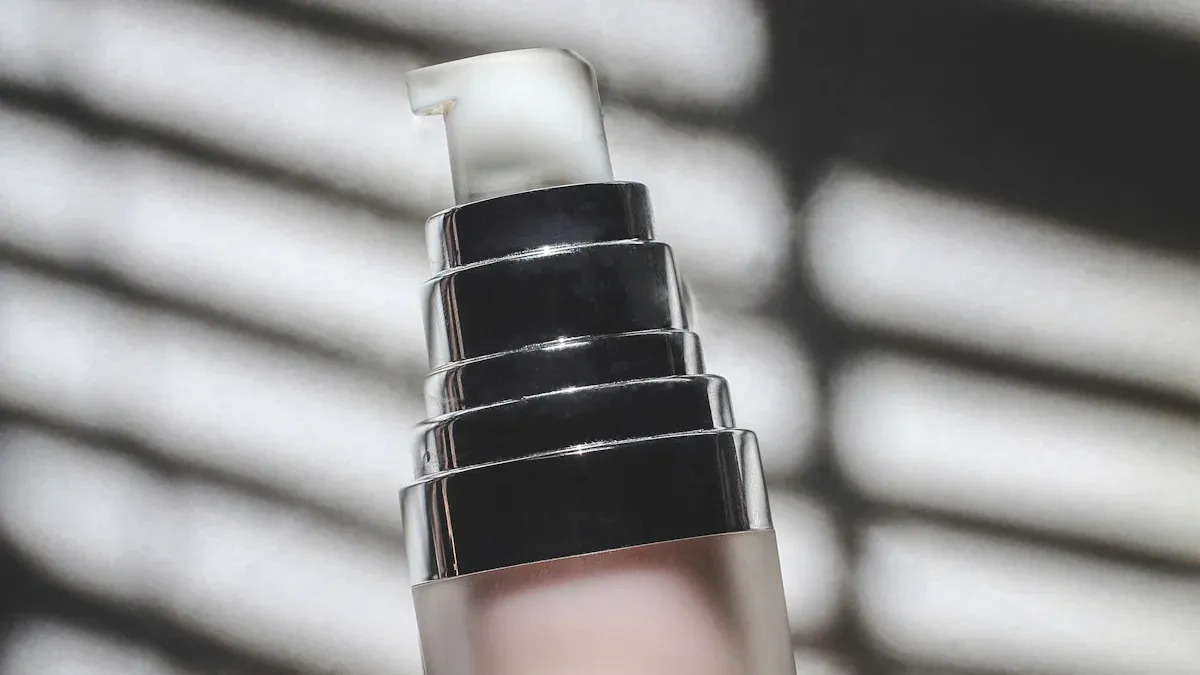
4.1 Piston vs. Bag-in-Bottle
You need to understand the differences between piston and bag-in-bottle airless mechanisms to select the best packaging for your skincare line. Each system offers unique advantages for lotions, creams, and serums. The table below highlights the main features:
Feature | Piston-based Airless Packaging | Bag-in-Bottle Airless Packaging |
|---|---|---|
Structure | Cylindrical container with a movable piston | Rigid outer container with a flexible inner pouch |
Dispensing Mechanism | Pump or nozzle with a non-return valve | Dispensing mechanism with a venting system |
Air Prevention | Maintains constant pressure, minimal air contact | Pouch collapses, eliminating air ingress |
Contamination Prevention | Hermetic seal, efficient product evacuation | Complete product isolation, ideal for sensitive formulas |
Product Versatility | Accommodates various viscosities | Best for highly reactive or unstable ingredients |
Dosage Control | High-precision dosage control | Not specified |
Residue | Leaves a small amount of residue | Ultra-low residue capability |
Waste Reduction | Moderate waste due to residue | Significant waste reduction |
Compatibility | Compatible with various product consistencies | Not specified |
Isolation | Not specified | Excellent isolation from air |
You can see that piston systems work well for a wide range of viscosities, while bag-in-bottle systems excel at isolating sensitive serums and creams from air.
4.2 Suitability for Lotions, Creams, and Serums
You should match the airless bottle type to your product’s formulation. Airless pump bottles provide essential protection for lotions, creams, and serums, especially those with sensitive ingredients. These bottles prevent air exposure and contamination, which helps maintain product integrity. You will find that airless packaging works best with medium to thick formulations. This makes it ideal for hydrating creams, anti-aging serums, and nourishing lotions.
Tip: For highly reactive or unstable serums, bag-in-bottle airless packaging offers the highest level of isolation and waste reduction.
4.3 Customization and Branding
You can enhance your brand’s presence with customized airless bottles. The table below shows common customization options:
Customization Aspect | Description |
|---|---|
Shape | Square, round, squatted round, oval, or custom shapes for visual appeal |
Size | Large, medium, and small sizes for different product lines |
Material | Plastic, glass, eco-friendly, or biodegradable materials |
Finish | Metallic, frosted, clear, or colored finishes for brand identity |
Customization helps your products stand out in the market.
Creative packaging supports brand promotion and strengthens recognition.
Packaging design builds your brand’s image and connects with your clients.
Over 85% of buyers say color and customization influence their purchasing decisions.
Many beauty brands are instantly recognizable by their packaging and color palettes.
You can use these options to create a unique look for your airless bottles, making your creams and serums memorable for your business clients.
Part5: Troubleshooting Airless Bottles
5.1 Common Dispensing Issues
You may encounter dispensing challenges when using airless bottles for thick skincare products. If the viscosity of your formula exceeds the pump’s tolerance, you might notice stiffness in the pump, uneven dispensing, or the pump stopping after a few uses. These issues often occur when the pump design does not match the product’s characteristics. To reduce these problems, gently shake the bottle before use. Store bottles upright and away from direct sunlight to maintain product consistency. This approach supports product preservation and ensures high hygiene standards.
5.2 Solutions for Thick Products
You can improve dispensing performance for high-viscosity creams and serums by using advanced filling and mixing technologies. High-shear mixers and homogenizers help control particle size and stabilize the formula. Automatic filling machines manage products with different viscosities, making production more efficient. Some innovative dispensers, such as those with porous inserts, allow for controlled delivery and minimize spills.
“From our vantage point, that means easier, cleaner, controlled delivery—no matter the viscosity or air sensitivity. It means providing dispensers that prevent the product from spilling or leaking down the sides or on counters and vanities.”
These solutions help preserve active ingredients and maintain product efficacy. They also support increased hygiene and safety for your clients.
RLM Group’s patented dispensers offer efficiency and customization.
Dual-chamber systems combine different formulas during dispensing.
Specialized jars with inserts minimize residue and maximize usage.
5.3 Best Practices for B2B Selection
You should follow best practices when selecting airless bottles for your skincare line. The table below summarizes key recommendations:
Best Practice | Details |
|---|---|
Ensure compatibility with formula | Review packaging with the actual formula before bulk production. |
Select materials carefully | Consider formula, capacity, and material for your brand system. |
Evaluate pump performance | Check if pump output matches formula thickness and flows cleanly. |
Assess residue management | Decide if a small amount of residual formula is acceptable. |
You also need to confirm that your supplier meets quality standards. Look for ISO 9001 certification and in-house testing, such as air-tightness and drop tests. Always test very thick or particle-rich formulas for compatibility before ordering in bulk. This process minimizes product waste and supports product preservation, helping you maintain product efficacy and high hygiene standards.
You optimize product performance and brand value by selecting airless bottles that match your lotion, cream, or serum’s viscosity, material, and refill process. Key factors include cost, environmental impact, and intuitive design that prevents contamination. You benefit from multi-layer pumps for thick formulas, spring-free pumps for lightweight products, and compatibility testing to avoid clogs. Collaborate with ISO 14001 certified suppliers and choose recyclable, refillable systems to reduce waste and support compliance. Prioritize quality, compatibility, and sustainability to enhance efficiency, extend product life, and strengthen market access.
FAQ
What makes airless bottles ideal for B2B skincare packaging?
Airless bottles protect your formulas from air and contamination. You maintain product integrity and extend shelf life. This packaging supports high standards for quality and safety in B2B skincare production.
How do you select the right pump for different viscosities?
You match the pump mechanism to your product’s thickness. Wide orifices suit thick creams. Fine mist sprayers work best for lightweight serums. Testing ensures smooth dispensing and prevents clogging.
Are airless bottles compatible with eco-friendly materials?
You can choose airless bottles made from PCR, recyclable plastics, or aluminum. These materials support sustainability goals and help your business reduce environmental impact.
Tip: Request samples from your supplier to test compatibility with your formula and eco-friendly materials.
What regulatory factors should you consider for airless packaging?
You must comply with local and international packaging regulations. Review requirements for material recyclability, waste management, and annual declarations. Reliable suppliers help you meet these standards.
Region | Key Regulation | Focus |
|---|---|---|
EU | Packaging Waste Regulation | Waste management |
Japan | Plastic Recyclability Law | Recyclability |
France | Decree No. 2022‑507 | Annual declarations |
How do you troubleshoot dispensing issues in airless bottles?
You check pump compatibility with your formula. Store bottles upright. Shake gently before use. For thick products, use advanced filling techniques and specialized pumps to ensure smooth delivery.