


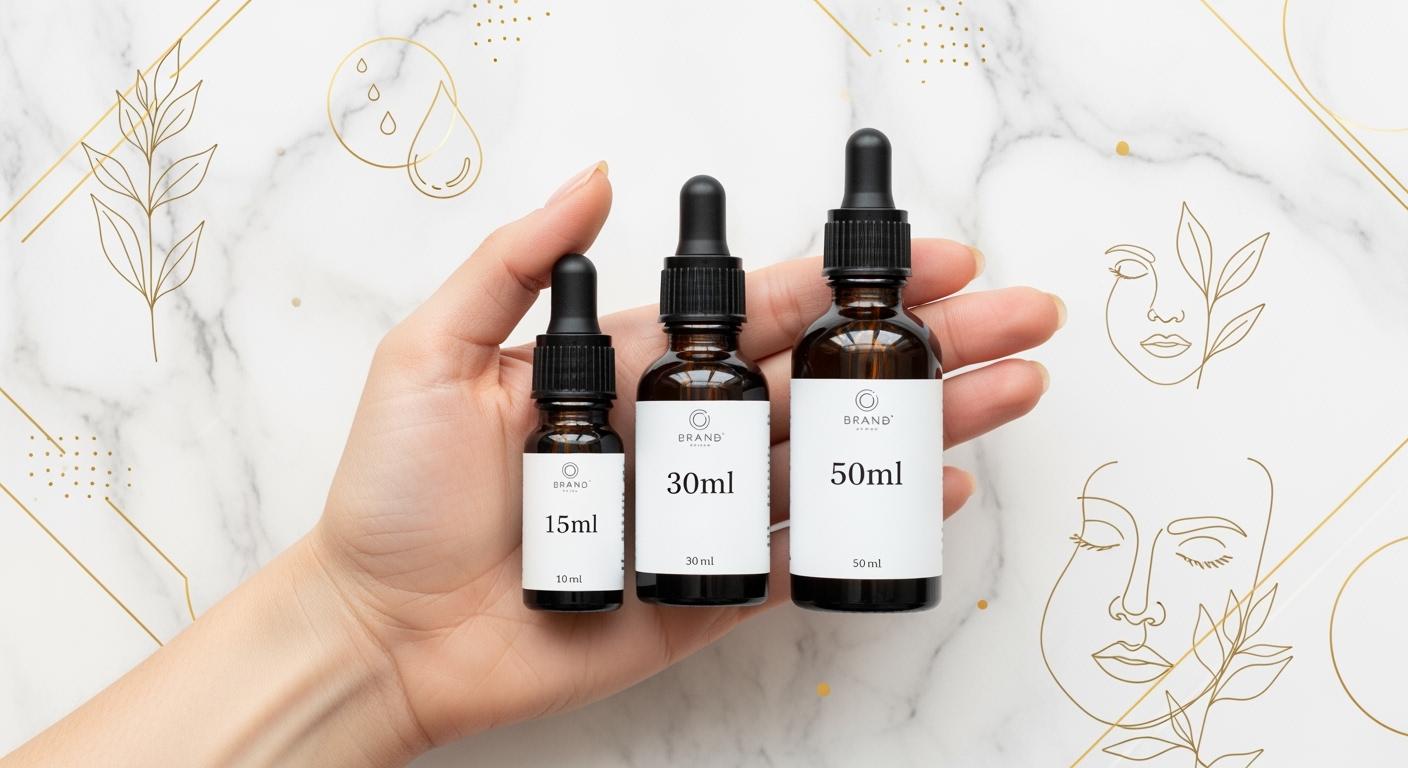
Choosing the right size for Dropper Bottles makes a big difference in how your serum performs and how clients perceive your brand. Smaller bottles protect active ingredients by limiting air exposure and contamination, while larger bottles can expose serums to more air and affect stability.
Bottle Size | Impact on Preservation | User Satisfaction |
|---|---|---|
Small (5ml, 10ml) | Limits air exposure, reduces contamination risk | Suitable for travel, encourages sampling |
Standard (15ml, 30ml) | Balances value and convenience | Supports daily use, boosts satisfaction |
Large | Exposes serum to more air, potentially affects stability | Better for home use, may lead to repeat purchases |
Key Takeaways
Choose smaller dropper bottles (5ml to 10ml) for concentrated serums. They limit air exposure and help preserve sensitive ingredients.
Select standard sizes (15ml to 30ml) for daily-use products. These sizes balance convenience and value, enhancing user satisfaction.
Test dropper bottles with your serum before ordering. This ensures compatibility and prevents leaks, helping maintain product quality.
Part 1: Dropper Bottles – Key Size Factors
1.1 Product Type and Concentration
You need to match the bottle size to your serum’s concentration and intended use. High-end or potent serums often come in smaller Dropper Bottles, which help preserve the formula and limit air exposure. Medium sizes work well for daily-use products, balancing quantity and manageability. Large bottles suit professional settings or products applied liberally.
Size Range | Typical Use |
|---|---|
Small (5ml – 15ml) | Used for high-end serums, samples, or travel-sized products. |
Medium (20ml – 30ml) | Most common size for daily use products, balancing quantity and manageability. |
Large (50ml – 100ml) | Less common, used for products applied liberally or for professional use, offering better value. |
A dropper bottle has to do three things well. It has to protect the formula in storage, seal reliably after repeated opening, and dispense a reasonably consistent volume in the hand. If one of those fails, the user notices.
1.2 Usage Frequency and Volume
Think about how often your clients will use the serum and how much they need per application. Smaller Dropper Bottles are ideal for concentrated formulas or samples. Medium bottles fit full-size face serums and clinical trial packs. Larger bottles work for hydrating or barrier serums in professional environments.
Bottle Size | Recommended Use |
|---|---|
5 mL to 10 mL | Best for deluxe samples, discovery kits, and high-potency actives with a short shelf life. |
15 mL to 30 mL | Fits eye and lip serums, clinical trial packs, and full-size face serums. |
50 mL and larger | Suitable for hydrating or barrier serums, often used in professional settings. |
A dropper dispenses about 0.03 mL to 0.05 mL per drop.
Aim for a four to eight week consumption cycle for most anti-aging serums.
1.3 Serum Viscosity and Pipette Fit
Serum viscosity affects how you select the pipette diameter and bottle size. Thicker serums need a wider pipette bore for smooth dispensing. Water-like serums work well with smaller pipettes. If you match the pipette diameter to the viscosity, you ensure accurate dosing and avoid restricted flow.
Higher viscosity liquids require larger bore diameters.
Water-like serums can use smaller bore diameters.
Proper pipette fit prevents dosing errors and improves user satisfaction.
Dropper Bottles play a key role in preserving serum quality and delivering the right amount every time. If you choose the right size and pipette, you help your clients get the best results and protect your brand reputation.
Part 2: Choosing the Right Dropper Bottle Size
2.1 Matching Size to Serum Formulation
You want your serum to shine, so matching the bottle size to your formula is key. Most industry experts recommend the standard 1 oz (30 ml) Dropper Bottles for serums. These bottles have an 18mm neck and dispense about 20 drops per milliliter. This size works well for daily-use products and helps you control dosing. If your serum is highly concentrated, you might prefer smaller bottles like 10ml. Smaller bottles protect sensitive ingredients and encourage precise application. For bulk or refill options, larger bottles—sometimes up to 100ml or more—are popular with eco-conscious brands.
When you select a bottle, consider the batch size, ingredients, and how your clients will use the product. Always check the compatibility of the bulb material with delicate ingredients. Ask about the type of glass if your formula is chemically demanding. Match the bottle and closure standard to ensure a proper fit and seal. Choose a size that fits the expected consumption cycle, so your clients finish the product before it degrades.
Tip: Smaller Dropper Bottles prevent product degradation and support a more measured use of active ingredients.
2.2 Testing and Sampling Options
Testing is essential before you commit to a packaging choice. You should always test your final formula with the exact Dropper Bottles you plan to use. Request 10-20 sample units from your supplier. Fill these bottles with your serum and store them under different conditions for several weeks. Check if the dropper draws a full dose and if there are any leaks when stored on its side. Simulate shipping by sending filled samples through transit to spot any leakage issues.
Step | Description |
|---|---|
Test with Final Formula | Always test the product formula with the exact packaging intended for order. |
Request Samples | Obtain 10-20 sample units from the supplier for testing. |
Conduct Compatibility Test | Fill samples with the product and store under various conditions for several weeks. |
Perform Functionality Test | Check if the dropper draws a full dose and if there are any leaks when stored on its side. |
Execute Shipping Test | Simulate real-world transit by shipping filled samples to check for leakage. |
You should also check the bulb material for compatibility and ask about the glass type for formulas with demanding ingredients. Test filled samples for compatibility before finalizing your choice. Match the bottle and closure standard to ensure a proper fit and seal. Select the bottle size based on how much product is used per application and how long you want the product to last.
Note: Sampling different Dropper Bottles helps you avoid costly mistakes and ensures your serum stays stable and easy to use.
2.3 Branding and Packaging Needs
Branding plays a big role in bottle size selection. Larger bottles can suggest a better price-to-volume ratio, appealing to value-focused buyers. Smaller bottles often signal exclusivity and higher concentration, which fits premium markets. You want your packaging to match your brand story and target audience.
Consumers love smaller Dropper Bottles, especially the 10ml size, for convenience and functionality. This size aligns with concentrated formulas and allows for precise dosing. Smaller bottles also prevent product degradation and encourage measured use of actives. If you offer refillable options, you can reduce environmental impact and foster customer loyalty. Bulk packaging, ranging from 250ml to 1000ml, appeals to eco-conscious buyers and families.
Segment Type | Characteristics | Key Trends |
|---|---|---|
Luxury Brands | High-quality materials, sophisticated design, exclusivity | Product personalization, brand storytelling, sustainable materials, bespoke designs |
Mass-Market Brands | Affordability, mass production efficiencies, broad distribution channels | Eco-friendly plastics, minimalist designs, expanding into emerging markets with rising incomes |
International markets and e-commerce trends also influence bottle size. Lightweight, durable packaging is important for online sales. Regulatory standards require safe and reliable dispensing. Transparent materials boost trust and quality perception.
Callout: The size of Dropper Bottles can shape how clients view your serum. Smaller bottles signal luxury and quality, while larger bottles highlight practicality and value.
If you want to explore custom packaging solutions, consider working with a custom dropper bottles supplier or an airless bottle manufacturer for unique branding and product protection.
You can select the right dropper bottle size by matching it to your serum’s concentration, usage rate, and brand goals.
Define product needs, test samples, and check for leaks or defects.
Consult packaging experts for tailored advice.
Not all droppers fit all bottles. A mismatch could cause leaks or dosing issues.
FAQ
What size dropper bottle works best for concentrated serums?
You should use 10ml or 15ml dropper bottles. These sizes protect sensitive ingredients and help you control dosing for high-potency formulas. For custom serum packaging, contact Oulete for a quote.
How do I test dropper bottle compatibility with my serum?
You can request samples from your supplier. Fill them with your serum and check for leaks, dosing accuracy, and material compatibility.
Tip: Always test bottles with your actual serum formula before placing a bulk order.
Can dropper bottle size impact brand perception?
Yes, smaller bottles often signal luxury and exclusivity. Larger bottles highlight value and practicality. Choose a size that matches your brand’s story.