


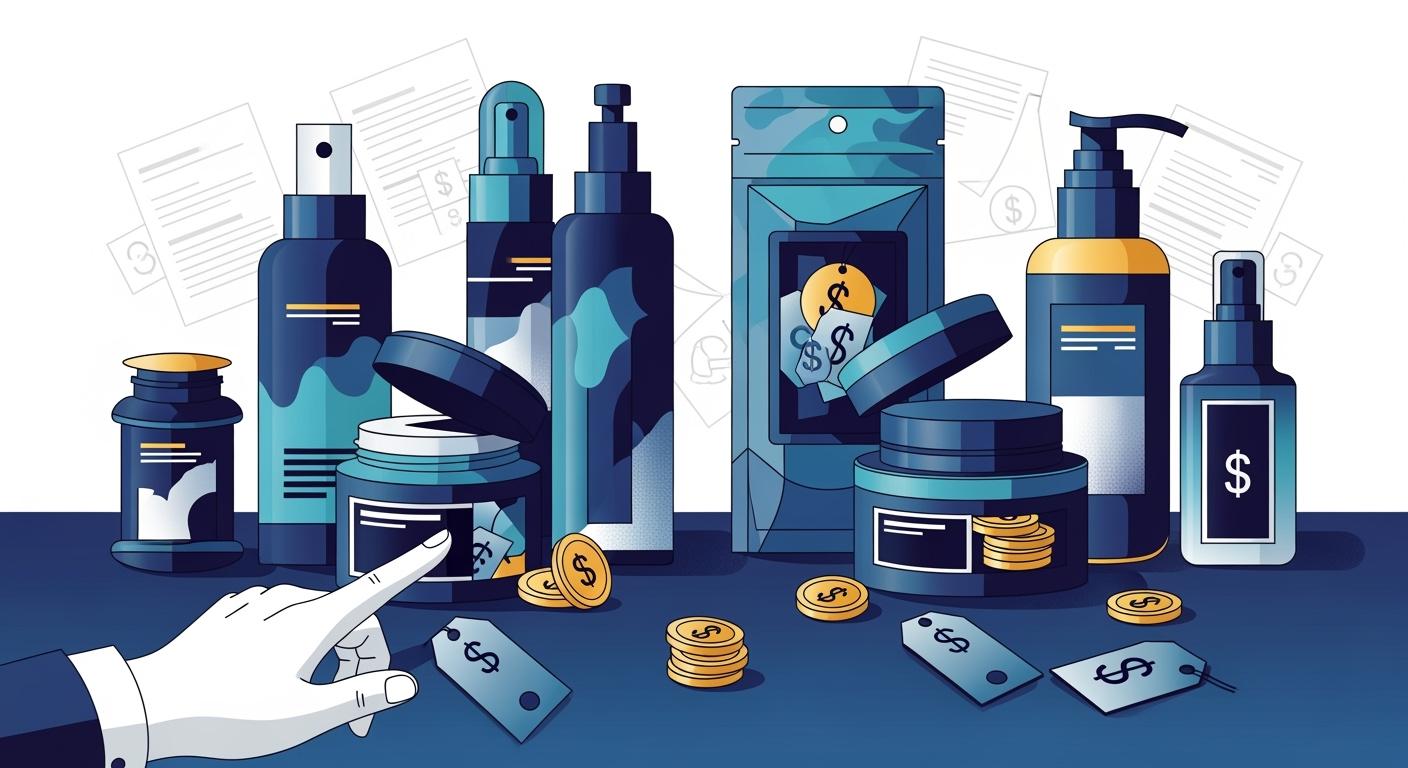
Hidden costs can show up in your custom cosmetic packaging project and mess up your budget. You might have to pay for tooling or custom molds. There can be minimum order quantity traps. You may see charges for samples, setup, or design changes. Sometimes you pay more for better materials. Shipping problems can also add extra costs. Too much packaging can lead to waste and more fees. These surprise costs make it hard to plan your budget and know your real total cost. If you find these costs early, you can know the true cost for your product and avoid surprises.
Key Takeaways
- Find hidden costs early in your custom packaging project. This helps you avoid budget surprises.
- Ask suppliers about tooling and setup fees before you start. This lets you plan your budget better.
- Watch out for minimum order quantities (MOQs). This can stop you from having too much inventory and storage costs.
- Pick materials carefully. Premium options make your product look better but cost more.
- Keep talking with suppliers. This helps you stay clear and manage costs during the project.
Tooling Fees in Custom Packaging
What Are Tooling Fees?
You might hear the term “tooling fees” when you start a custom packaging project. Tooling fees cover the cost of making molds, dies, or special tools for your packaging. These fees can surprise you if you don’t plan for them. Tooling costs hit your budget hard, especially if you want unique shapes or fancy finishes. For example, if you need a custom die-cutting plate or a special embossing plate, you pay extra upfront. Take a look at this table to see typical tooling fee ranges:
| Item | Cost Range |
|---|---|
| Prototypes | $100 – $500 |
| Custom die-cutting plate | $300 – $800 |
| Foil stamping/embossing plates | $200 – over $1,000 |
You can see how these costs add up fast. If you want a prototype, you pay a few hundred dollars. If you need a custom plate for foil stamping, you might pay over $1,000. These fees make a big impact on your total project budget.
Tip: Always ask your supplier about tooling fees before you start. You don’t want to get caught off guard.
Managing Tooling Costs
You can take steps to manage tooling costs and keep your project on track. Here are some strategies that work well:
- Cost optimization: Try using alternative materials or simpler designs to save money.
- Supply chain optimization: Work with suppliers who offer efficient procurement.
- Material optimization: Ask a structural engineer to help reduce material waste.
- Strategic sourcing: Choose suppliers who can lower shipping costs and help the environment.
- Project optimization: Streamline your packaging process for better results and return on investment.
If you follow these tips, you can control tooling fees and avoid budget surprises. Custom packaging doesn’t have to break the bank. You just need to plan ahead and ask the right questions.
MOQ Traps and Hidden Costs
Understanding MOQ in Custom Cosmetic Packaging
Suppliers often mention minimum order quantity, or MOQ, when you start a custom cosmetic packaging project. MOQ is the smallest number of items you must buy at once. Suppliers use MOQs to cover their fixed costs like machine setup and production runs. They want each batch to be big enough to spread out these costs and keep prices low for everyone.
If you buy more units, you get bulk savings. You pay less for each item and save on shipping and paperwork. You also help your supplier keep their cash flow steady. Here are some ways MOQs can affect your project:
- Big cost savings: Buying more means lower prices and better profits.
- Bulk savings and lower expenses: Fewer orders mean less paperwork and shipping fees.
- Better cash flow: Suppliers can plan ahead and keep their business strong.
- Lower inventory costs: You spend less on storage and avoid extra warehouse fees.
- Higher profit margins: Suppliers only make products when the order is good for their business.
If you buy a MOQ at a 20% margin and this inventory lasts you for one year, you earn a 20% margin over the year. If you buy stock for one month (not meeting MOQ) and sell it in one month, you earn 20% per month, which is 240% per year on your inventory investment. Even if you get an extra 10% discount on your MOQ, you will make 30% over the year instead of 240% by turning inventory monthly.
Avoiding Excess Inventory Costs
You can end up with too much inventory if you don’t watch out for MOQ traps. This can tie up your money and fill your warehouse with products you don’t need. You want to avoid paying for storage and risking waste. Here are some best practices to help you manage inventory:
| Best Practice | Description |
|---|---|
| Match order sizes with sales speed | Order amounts that fit how fast you sell products. |
| Use custom stock packaging | Get special packaging without paying for expensive molds. |
| Combine SKUs | Cut down the number of product types to save money and manage inventory better. |
| Choose simple decoration | Pick easy finishes to keep costs low. |
| Plan packaging timelines | Schedule orders so you don’t pay extra for fast shipping. |
If you follow these steps, you can keep your inventory small and your costs low. You stay flexible and avoid surprises in your custom cosmetic packaging project.
Sampling and Setup Charges
Sampling Fees in Custom Makeup Packaging
You want to see your packaging before you order thousands of units. Sampling helps you check colors, materials, and finishes. It gives you confidence that your product will look great on the shelf. But sampling fees can sneak up on you. For custom makeup packaging, you usually pay between $100 and $500 for each SKU. If you need several samples or make lots of changes, these costs add up fast. You might spend more than you expect, especially if you have multiple designs.
- Sampling fees range from $100 to $500 per SKU.
- Multiple revisions or samples can quickly increase your project budget.
- You pay these fees even if you decide not to move forward with production.
Tip: Ask your supplier for a clear breakdown of sampling fees. This helps you plan your budget and avoid surprises.
Setup Fees and Small Order Costs
Setup fees cover the cost of preparing machines and creating tools for your custom makeup packaging. These fees don’t change if you order more units. You pay the same setup fee whether you order 500 or 5,000 boxes. Many marketers overlook setup costs, but they play a big role in your budget. Setup fees can range from $500 to $5,000, depending on how complex your packaging is.
- Setup costs are fixed and don’t depend on order size.
- These fees cover machine preparation and tooling for custom work.
- Initial design, plate creation, and tooling can cost between $500 and $5,000.
- Small orders feel the impact of setup fees more because the cost per unit goes up.
If you understand setup fees, you can plan your project better. You keep your packaging quality high and avoid budget surprises.
Note: Always ask about setup fees when you start a custom makeup packaging project. This helps you make smart decisions about order size and design.
Design and Artwork Expenses
Packaging Concept Design Costs
Design is not just about making things look nice. It is a big part of your custom cosmetic packaging project. You pay for concept design, visual work, and full development. These costs can surprise you if you do not plan ahead. Look at this table to see what you might pay:
| Cost Category | Price Range |
|---|---|
| Packaging concept design | $8,000 – $18,000 |
| Artwork expenses per SKU | $500 – $2,000 |
| Comprehensive packaging development | $18,000 – $60,000 |
| Visual design work | $5,000 – $20,000 |
You spend more for creative ideas and special packaging shapes. If you want your product to stand out, you pay for complex design. Sometimes you need help from designers, engineers, and branding experts. Each step adds more cost to your budget.
Tip: Ask your supplier to explain all design costs. This helps you plan your budget and avoid big surprises.
Artwork and SKU Complexity
Artwork and SKU variety can make costs go up fast. If you have many product types, you need different designs for each one. This means more artwork fees and higher costs to run your business. Check this table to see how packaging type changes the price:
| Packaging Type | Cost Range | Notes |
|---|---|---|
| Basic plastic containers | $0.50-$2.00 | Cheap and light |
| Glass containers | $1.50-$4.00 | Feels fancy, costs more to ship |
| Custom shapes and finishes | +$0.25-$1.00 per unit | Looks cool but costs extra |
When you add more SKUs, design gets harder and costs more. You pay extra for custom shapes, special materials, and unique artwork. Here is what happens:
- More complex design means higher tooling costs.
- A big product line needs better packaging systems.
- Custom design work can cost between $5,000 and $20,000.
If you keep your product line simple, you save money. If you want lots of choices, you pay more for design complexity.
Material Choices and Upgrades
Material Upgrades in Custom Packaging
When you pick materials for your packaging, you decide how much you spend. Some materials look fancy and feel nice, but they cost more money. For example:
Premium materials like thick cardstock, rigid greyboard, and special papers with cool textures or finishes cost more.
You might want your box to look special in stores. Maybe you want a soft finish or a heavy, fancy box. These upgrades feel nice, but they make your costs go up. The material you pick also changes how much it costs to make your packaging. Check out this table to see how different materials compare:
| Material Type | Cost Implication |
|---|---|
| Plastic | Usually cheaper than paper |
| Paper | Costs more than plastic |
| Glass | Costs more because it is heavy and breaks easily |
| Sustainable Options | 15-30% more than regular materials |
If you want to help the planet, you might pick recycled or compostable materials. These choices usually cost 15-30% more than normal paperboard. Custom shapes and special printing can also make your costs higher.
Sustainability and Compliance Costs
Sustainability is important in cosmetic packaging now. Customers and new rules might make you use eco-friendly materials. These choices make your brand look good, but they can cost more. Companies that plan for sustainability can avoid big problems later. You stay ready for new laws and do not get fined or have to change things fast.
| Compliance Standard | Description | Cost Impact |
|---|---|---|
| REACH & SVHC | Limits bad stuff in inks and glue | Adds 5%-10% to material costs |
| FSC Certification | Makes sure paper comes from good places | Costs more because of checks and extra fees |
| TPCH | Needs special lab tests for harmful stuff | Makes production cost more |
| PPWD | Costs more for making packaging easy to recycle | Adds extra EPR fees |
- Using sustainable packaging helps you keep up with new rules.
- You can avoid fines and show customers you care about the Earth.
- Planning for these rules now means fewer surprises and easier projects.
If you think about material upgrades and sustainability early, you can make smart choices for your budget and your brand.
Printing and Decoration Costs
Printing Setup in Custom Cosmetic Packaging
You might think printing is simple, but setup costs can surprise you. When you start a custom cosmetic packaging project, you pay for more than just ink. Printing setup costs cover things like printing techniques, color choices, and finishing options. These choices change your final price. For example, if you pick Pantone inks instead of CMYK, you pay more because Pantone needs extra setup. Custom shapes and printing plates also add fixed fees. If you order fewer boxes, these setup costs make each box more expensive. You need to ask your supplier about these fees before you start. That way, you can plan your budget and avoid sticker shock.
Tip: Always check if your design needs special printing plates or extra colors. These details can raise your costs fast.
Here’s a quick look at how printing choices affect your price:
| Printing Method | Setup Cost | Notes |
|---|---|---|
| CMYK | Lower | Good for most designs |
| Pantone | Higher | Needs special inks and plates |
| Custom Shapes | Highest | Adds tooling fees |
Premium Finishes and Their Impact
Premium finishes make your packaging stand out. You can use foil stamping, embossing, or spot UV to create a luxury feel. These upgrades do more than look nice—they help your brand shine. Check out how premium finishes impact your costs and your product:
- Foil stamping and embossing boost your product’s value. Customers see your packaging as high-end and are willing to pay more.
- Brands often raise prices after switching to premium packaging. Shoppers notice the quality and feel good about their purchase.
- Embossing adds a tactile touch. People love the feel when they unbox your product.
- Spot UV printing highlights important design parts. This draws attention and helps your brand stand out.
You can use premium finishes to create excitement and build loyalty. Just remember, these upgrades cost more. Plan for them early so you don’t get caught off guard.
Shipping Inefficiencies and Logistics
Shipping Air and Increased Packaging Costs
Sometimes, shipping air is a real problem in cosmetic packaging. If your boxes are too big, you pay to ship empty space. This mistake makes your packaging costs go up fast. You also spend more money on extra materials and bigger cartons. Here are some reasons why shipping is not efficient:
- Demand changes can leave you with too much or too little stock. This wastes warehouse space or causes delays.
- Bad inventory management makes it hard to ship products on time. You might miss sales or upset your customers.
- Slow transportation means your products take longer to arrive. You pay more for fuel and labor.
- Bulky or heavy packaging makes transportation cost more. You lose money on every shipment.
- Logistics cost pressures can shrink your profit margins. This is worse if your customers care about price.
To save money, work with your supplier to design packaging that fits your products. This helps you avoid paying for air and keeps your shipping and duties under control.
Tip: Always check the size and weight of your packaging before you ship. Small changes can help you save a lot of money.
Damage and Transit Losses
Shipping can be rough on cosmetic products. Boxes get dropped, stacked, or tossed during transit. If your packaging is weak, your products might arrive damaged. This leads to returns, refunds, and unhappy customers. About 10-11% of cosmetic shipments suffer some kind of damage during transit. That means for every 100 boxes you send, up to 11 could arrive broken or leaking.
- UPS and FedEx report a damage rate of about 10%.
- Packaging Digest says up to 11% of unit loads get damaged before reaching stores.
You can lower these losses by choosing sturdy packaging and testing it before shipping. Protecting your products helps you avoid extra costs and keeps your customers happy.
Material Waste and Overpackaging
Identifying Material Waste
You might not see how much material you waste. This can lower your profits. Life cycle assessment, or LCA, helps you see the whole process. LCA checks your packaging from start to finish. It looks at carbon footprint and waste at each step. This helps you find where you use too much material or make extra trash.
You can measure waste by checking how much material you use for each product. Set goals to use less and track your progress. This shows you care about the Earth and saves you money. Want to know how much waste you make? Use this easy formula:
- Figure out your material efficiency by taking 100% and subtracting your waste percent.
- Try this formula:
Material Efficiency (%) = [x / (x + z)] * 100
where x is the weight of packaging you made, and z is the weight of waste from the last year.
When you measure waste, you can make smarter choices for your packaging and your money.
Reducing Overpackaging Costs
Overpackaging can cost more than you think. You pay for extra materials, bigger boxes, and higher shipping. The good news is you can save money and still keep products safe. Here are some ways to do it:
| Method | Explanation |
|---|---|
| Optimizing packaging specifications | Change size and materials to use less and save money. |
| Using smaller boxes | Smaller boxes cost less to ship because of size and weight. |
| Automating packaging processes | Machines pack faster, use less material, and lower labor costs. |
| Redesigning packaging materials | Simple designs use fewer materials and cost less. |
Tip: Check if your boxes are too big. Even a small change can save a lot over time.
When you cut waste and extra packaging, you help your business and the planet. Your customers will notice, and your profits will grow.
Quality Control and Compliance
Quality Assurance in Custom Packaging
Quality control is not just checking boxes at the end. It starts early in the process. Many brands forget about quality control costs. They focus more on design and materials. If you skip quality checks, you might have recalls. Customers can get upset, and you lose money. You want your packaging to look good and protect your product. Quality control helps you find mistakes before they cost a lot.
You can make quality control strong by setting clear rules. Check each step as you go. Ask your supplier for samples and test them. Use audits to find problems early. Keep records for every batch you make. If you work with other countries, follow global rules and local needs. This helps you stay consistent and follow laws everywhere.
Tip: Make quality control part of your daily routine. Don’t wait until the end to check for mistakes.
Compliance and Regulatory Costs
Compliance costs can surprise you. You must follow rules about materials, safety, and labels. If you miss a rule, you might pay fines. Your product could get stuck in customs. Many brands forget about these costs until it’s too late.
You can handle compliance without spending too much. Try these tips:
- Balance global rules with local actions. This keeps your packaging legal everywhere.
- Invest in training. Teach your team that compliance is everyone’s job.
- Watch out for third-party risks. Check your suppliers and partners often.
- Keep clear records. Good documentation shows you follow the rules.
- Run regular audits. Audits help you find gaps before they cause trouble.
- Use automation and technology. These tools make compliance easier and faster.
If you follow these steps, your packaging stays safe and legal. You avoid surprise costs and build trust with your customers.
Budgeting for Hidden Costs
Building a Transparent Packaging Budget
You want to budget with confidence for your custom cosmetic packaging. Start by looking at every step that adds to your fully landed cost. This means you count not just the price of the box, but also shipping, duties, storage, and even small fees that sneak in. If you track these, you see your total unit cost and avoid surprises.
Here are some smart ways to spot and manage hidden costs:
- Start simple. Use stock packaging for your first product launch.
- Plan for growth. Move to custom packaging when your product demand grows.
- Track real costs. Always include shipping, storage, and duties in your landed cost.
- Add a buffer. Set aside extra money for unexpected revisions and delays.
- Audit your process. Check your packaging costs often to find waste or mistakes.
You can also use a table to plan your fully landed cost per usable unit:
| Step | Cost to Include |
|---|---|
| Packaging | Box, inserts, labels |
| Shipping | Freight, duties |
| Storage | Warehouse fees |
| Waste | Damaged or lost units |
If you follow these steps, you get a clear view of your skincare packaging costs and can budget with confidence for your next product launch.
Partnering with the Right Suppliers
The right supplier helps you control hidden costs and keeps your product launch on track. You need to ask the right questions to make sure you know your fully landed cost and avoid surprises.
Ask your supplier:
- Can you handle busy times or unexpected issues?
- How do you set your prices and payment terms?
- What is your track record for on-time delivery and low defects?
- Can I see samples before I order a lot?
- How do you support sustainability in your process?
A good supplier will answer these questions and help you see your landed cost clearly. This way, you avoid hidden costs and manage your packaging costs better. You can focus on your product and not worry about unexpected revisions and delays.
When you know your fully landed cost, you can plan your product launch and budget with confidence. You will see the real cost for each product and avoid surprises in your custom cosmetic packaging project.
You can stop surprises in your custom cosmetic packaging by finding hidden costs early. Planning your budget carefully and talking clearly with your suppliers helps you stay on track. Always ask for detailed price quotes and check in with your suppliers often. Good relationships lead to better results.
Working with skilled suppliers keeps quality high and stops price increases or supply issues. This teamwork saves money and keeps your project moving well.
Follow these steps now to control costs better in your next packaging project.
FAQ
What hidden costs should I watch for in custom cosmetic packaging?
Watch out for tooling fees and setup charges. Sampling costs can also surprise you. Material upgrades and shipping inefficiencies add extra costs. Ask your supplier for a full breakdown. This helps you see all costs before you start.
How can I avoid paying too much for minimum order quantities (MOQ)?
Order only what you need for your business. Ask if your supplier offers flexible MOQs. Stock packaging options can help you save money. This keeps your inventory small and lowers storage costs.
Do premium finishes always increase my packaging costs?
Yes, premium finishes like foil stamping cost more. Embossing also adds to your price. These finishes make your packaging look nice. Plan for these costs early so you do not get surprised.
What’s the best way to keep my packaging project on budget?
Tip: Always ask for detailed quotes from your supplier. Check every line item in your budget. Track your costs from design to delivery. Good communication helps you spot hidden fees early. This keeps your project on budget.