


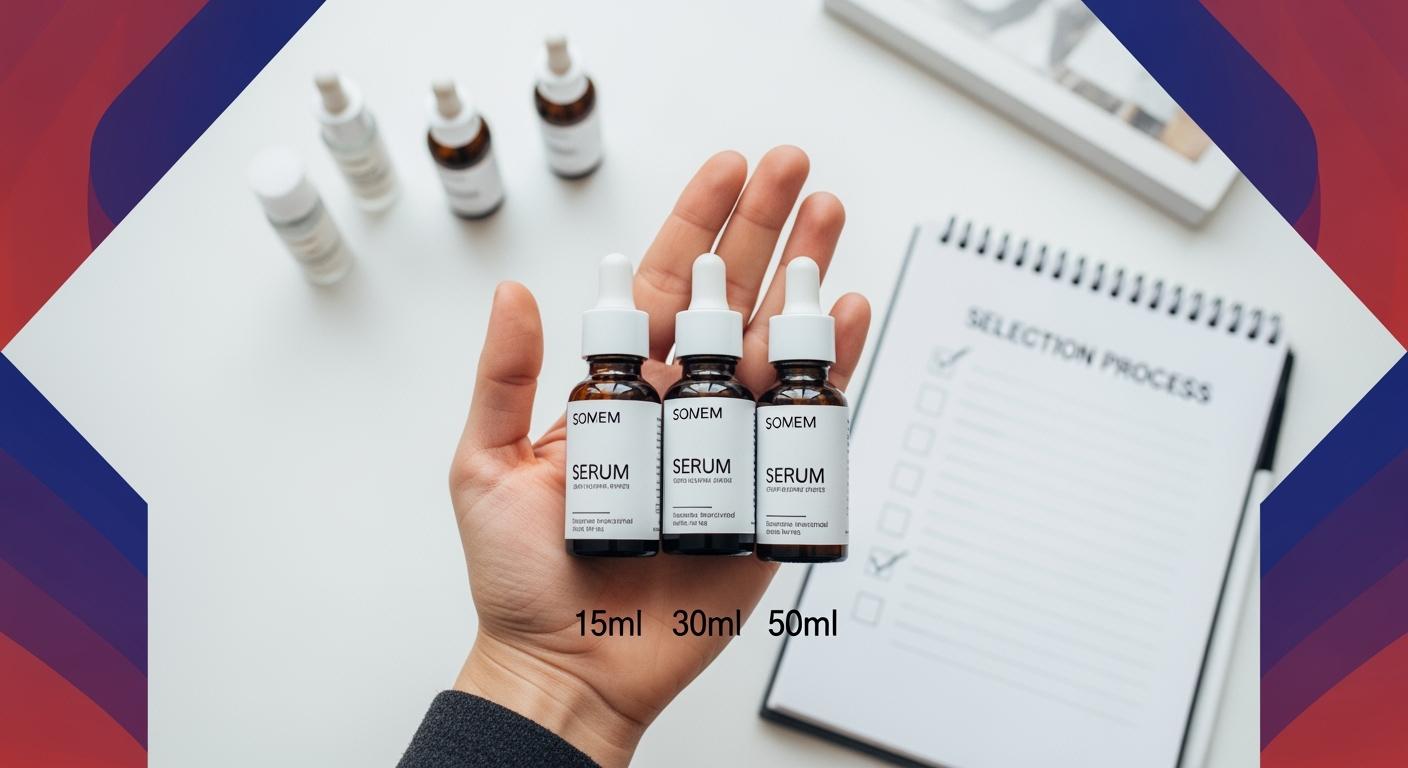
You might think bigger bottles mean more value or smaller bottles feel more premium. That’s not always true. If you want your serum to stand out, you need to choose the right bottle size based on your formula, how customers use it, and the image you want for your brand. The right size protects your ingredients, fits your launch plan, and shapes the way buyers see your product.
Key Takeaways
- Pick a bottle size that matches your serum’s stability. Smaller bottles keep sensitive ingredients safe for longer.
- Think about who will buy your serum when picking a size. Younger people like bottles they can carry easily. Luxury buyers may want bigger, fancier bottles.
- Use 15ml bottles for strong serums or samples. This keeps the serum fresh and stops waste.
- 30ml bottles are the most common for daily serums. They give good value and are easy for customers to use.
- Bigger bottles (50ml or more) work well for daily or pro products. They give more product but need stable formulas.
Why bottle size matters for serum products
Impact on formula stability and usage
When you choose a bottle size for your serum, you do more than pick a number. You set the stage for how your formula performs and how your customers use your product. Smaller bottles, like 10ml or 15ml, work best for serums with unstable actives such as vitamin C or retinol. These sizes help protect the formula by reducing how much air and light get inside after opening. Your customers finish the product faster, so the serum stays fresh and effective.
If you pick a larger bottle, you might make sense for daily-use or hydrating serums that do not break down quickly. The right size also shapes how easy it is for people to use your product every day. A bottle that fits well in the hand and matches the amount needed for a typical skincare routine will keep your customers happy and coming back.
Tip: Always match your bottle size to your formula’s stability and how often you expect customers to use the serum.
Cost, value, and brand positioning
Bottle size is a strategic choice that affects your brand’s story and your bottom line. Here’s why it matters:
- The size you pick changes how customers see your serum. Small bottles can feel exclusive or premium, while larger bottles may look like a better deal.
- Your target market matters. Younger, busy shoppers often like smaller, portable bottles. People looking for luxury may prefer bigger, more ornate packaging.
- The bottle size you choose can reinforce your brand identity. If you focus on sustainability, you might want smaller, refillable bottles. If you want to show off luxury, a larger bottle with a special design can help.
- Your launch cost changes with bottle size. Smaller bottles mean lower fill costs and let you test the market with less risk.
When you think about bottle size, consider your formula, your customer, and your brand message. This decision shapes how your serum stands out in a crowded market.
Core serum bottle sizes: 15ml, 30ml, 50ml
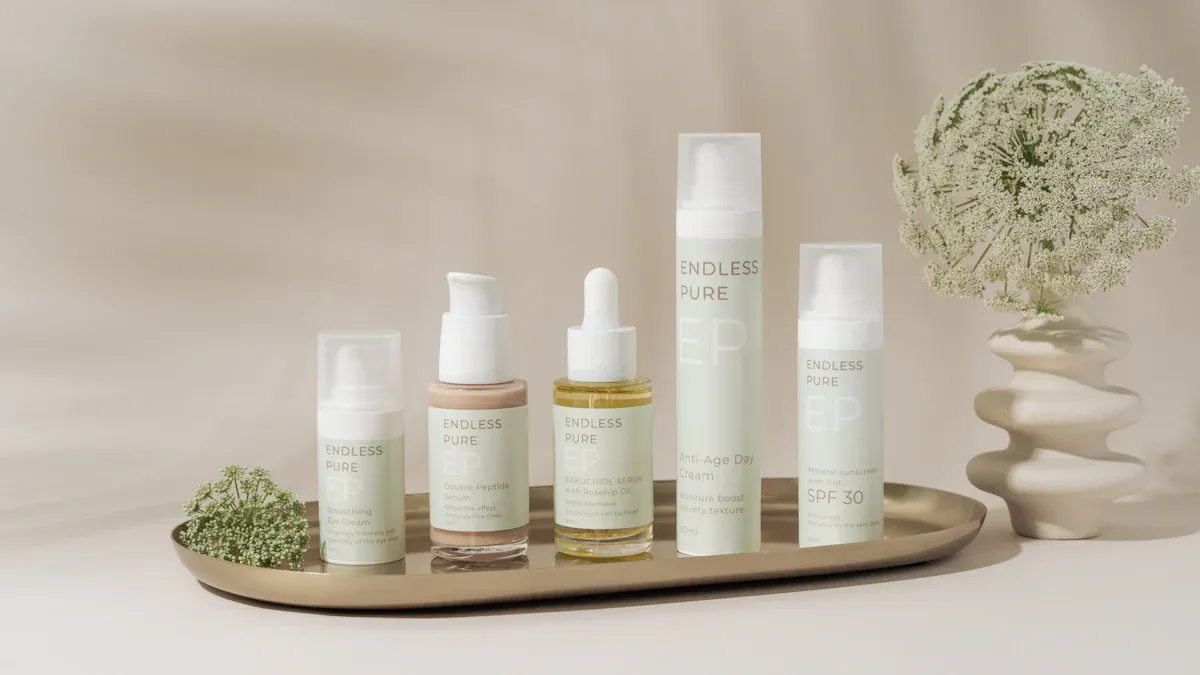
When you choose a serum bottle, you want more than just a container. You want a size that matches your formula, your brand’s message, and your customer’s habits. Let’s look at why 15ml, 30ml, and 50ml have become the most common serum sizes in the industry.
| Size Range | Description |
|---|---|
| Small (5ml – 15ml) | Used for high-end serums and sample sizes, ideal for travel and trial use. |
| Medium (20ml-30ml) | The most common size, perfect for daily use and easy to handle. |
| Large (50ml-100ml) | Less common, best for generous application or professional settings. |
15ml serum bottle: best for actives and trials
You might pick a 15ml serum bottle when you want to highlight high-potency formulas or launch a trial size. This size works well for serums with active ingredients like vitamin C, retinol, or peptides. Customers can finish the product before the formula loses its power. You also lower the risk of waste and make it easy for people to try your product without a big commitment.
A 15ml bottle fits perfectly for:
- High-active serums that need extra protection
- Trial or starter kits for new launches
- Travel-size options for on-the-go routines
You can use this size to test the market or introduce a new line. It also helps you control costs during a first launch. Many brands use 15ml bottles to create a sense of exclusivity and precision.
30ml serum size: the balanced choice
If you want a size that feels just right, 30ml is your go-to. This is the most popular size for daily-use serums. It gives enough product for a month or more, so customers feel they get value without the bottle looking too big or too small. You can use 30ml for almost any formula, from hydrating serums to brightening blends.
Why do so many brands choose 30ml?
- It balances cost, value, and usage cycle.
- It works for both dropper and airless packaging.
- It fits well in the hand and looks premium on the shelf.
You can make 30ml your main SKU. It’s easy to source, and you can find many packaging options. This size supports your brand’s core line and helps you build customer loyalty.
50ml and larger: when to go big
Sometimes, you need a bigger bottle. A 50ml serum bottle suits daily-use products, hydrating serums, or professional lines. You give your customers more value and make your product stand out in the “value size” category. Larger bottles often use pumps or airless systems to protect the formula and control dispensing.
Here’s where you see 50ml and above:
| Size | Common Uses | Typical Closures | Notes |
|---|---|---|---|
| 50ml | Hydrating/barrier serums | Treatment pump, dropper | Value size, higher weight |
| 100ml | Face mists, hair serums | Pump, spray | Professional or salon use |
You might choose a larger size for:
- Hydrating or barrier serums that customers use daily
- Professional or back-bar products for spas and salons
- Value-size lines for customers who want more for less
If your formula contains sensitive actives, you need to think about stability. Bigger bottles mean longer exposure to air and light, so pairing them with airless packaging is smart.
Tip: Always match your dispensing format to your bottle size. A dropper works well for precision, while a pump or airless system protects active ingredients in larger bottles.
As a skincare brand or buyer, you want flexibility. Oulete offers a full range of serum packaging, from glass dropper bottles to airless bottles, with support for custom decoration and sampling. You can choose the right size and structure for your formula and brand strategy.
Choosing a serum bottle size is not just about picking a number. You match your formula, your positioning, and your packaging structure to create a product that stands out.
Small serum bottles for actives, trials, and travel
When to choose 10ml, 15ml, or 20ml
You might ask when a small bottle is best. If you use strong actives or want to sell a trial or travel size, 10ml, 15ml, or 20ml bottles are smart choices. These bottles follow airline rules, so people can pack their serum with no trouble. Travelers like how easy they are to carry. Small bottles also keep your formula fresh and working well after opening.
Here’s why small bottles are special:
| Advantage | Description |
|---|---|
| Compliance with airline restrictions | Small bottles meet TSA and EU liquid limits for air travel. |
| Convenience for travelers | Easy to carry and use on the go. |
| Effective skincare | Delivers results without risking formula stability. |
Many flight attendants like soft, squeezable bottles. They can use all the serum inside. This means less waste and more value for buyers.
Benefits for high-potency and starter lines
Small bottles are not just cute. They keep your formula safe and protect your brand’s name. If you use strong ingredients, you want them to stay good and safe. Small bottles stop air and germs from getting in. Customers get a clean product and can finish it before it gets weak.
See these benefits:
| Benefit | Description |
|---|---|
| Extended Shelf Life | Keeps actives potent and fresh. |
| Enhanced Hygiene | Reduces risk of bacteria. |
| Minimized Product Waste | Lets users get every drop. |
| Suitable for Sensitive Formulations | Maintains stability for high-concentration actives. |
| Protection for Natural Products | Keeps organic formulas effective longer. |
Starter lines and sample kits work great with small bottles. You can show new products, let people try before buying, and help build trust in your brand.
Cost and market testing advantages
Small serum bottles help you spend less and test ideas with less risk. You can make and ship them for a lower price. This helps you get feedback and change your formula or packaging before a big launch. You learn what works without spending too much.
- You save money on making and shipping.
- You can try new ideas fast.
- You lower the risk when starting something new.
If you want to move quickly and stay ready for change, small bottles are a good choice.
Large serum bottles for value and professional use
Best uses for 50ml, 100ml, and above
You might ask when a big serum bottle is a good idea. Large bottles are best for serums people use every day or for hydrating formulas. They also work well in spas or salons where many treatments happen. If you run a spa, you want a bottle that lasts a long time. People who use serum daily like bigger bottles because they last longer and are easy to use.
Here are some reasons brands pick large bottles:
- Product safety: Good materials keep your serum safe from air and germs.
- Brand loyalty: Fancy packaging in big bottles makes people feel special and want to buy again.
- Bottle size: Large bottles give more value to pros and loyal buyers.
| Bottle Size | Best Use Case | Notes |
|---|---|---|
| 50ml | Hydrating or daily serums | Great for value lines |
| 100ml+ | Professional or salon use | Ideal for back-bar products |
Stability and dispensing considerations
When you choose a big bottle, you need to keep your serum fresh. Bigger bottles let in more air each time you open them. You can fix this by using airless pumps or special lids. These help keep the active ingredients safe and stop waste.
Tip: Always pick a pump or lid that fits your bottle size. Airless pumps are great for big bottles and keep your serum good for longer.
Risks of oversizing for active formulas
Picking a bottle that is too big can cause problems, especially with strong serums. If your serum has vitamin C or other sensitive stuff, a big bottle may not be best. People might not finish the serum before it gets weak. This means they waste product and money.
Think about what is in your serum and how people use it. Sometimes, a smaller bottle keeps your brand strong and gives customers a better time.
How dispensing format affects serum bottle size
Picking the right way to get serum out of the bottle is important. It matters as much as picking the right bottle size. Your packaging should match your formula, your brand’s story, and how your customers use it. At Oulete, we help you choose the best bottle size and dispensing style. This makes your serum stand out for good reasons.
Dropper, airless, and pump options
There are different ways to get serum from the bottle. Each one works best with certain bottle sizes and formulas:
- Droppers: These are good for thin serums and when you need to measure each drop. You often see droppers with 15ml or 30ml bottles. Droppers let people use just the right amount. This feels special and fancy.
- Airless Pumps: These are great for serums with sensitive ingredients. Airless pumps keep air and light out, so your serum stays fresh. They work well with 15ml, 30ml, and 50ml bottles.
- Pumps: These work for many types of serums. Pumps give the same amount every time. They are good for bigger bottles, like 30ml or 50ml.
Think about how much serum comes out each time. Bigger bottles are for products you use more of. Smaller bottles are for strong serums that need careful use.
Matching dispensing to formula and brand
Your choice of dispenser should fit your formula and your brand’s message. If your serum is strong or for a luxury market, a dropper can make it feel special and exact. Airless pumps give a clean and controlled feel. They also make your product seem more valuable. For daily-use or value lines, pumps are easy and clean.
You should also think about travel and leaks. Small bottles for travel need tight lids. The look and design should match your customers and where you sell. The right mix helps tell your serum’s story and builds trust.
Packaging specs: neck size, material, and closure
Details matter when you pick bottle size and dispenser. Here are things to check:
| Specification Type | Details |
|---|---|
| Closure Types | Droppers, pumps, screw caps, rubber stoppers, child-resistant, crimp top closures |
| Material Considerations | Borosilicate glass is strong, butadiene rubber seals well, plastic inserts help function |
| Design Factors | Custom colors and shapes, frosted glass keeps out light |
| Compliance Standards | Must follow hygiene and environmental rules for cosmetics |
| Performance Features | Controls drop size, saves space, makes users happy |
When you work with Oulete, you get help picking the right neck size, lid, and material. This keeps your bottle from leaking and makes it work well. You avoid mistakes and your serum looks and works just how you want.
Perceived value, launch strategy, and common mistakes
How bottle size shapes brand message
Your serum tells a story before anyone uses it. The bottle size helps share that story. Small bottles with fancy designs look special and expensive. Big bottles make people think of good deals and usefulness. Young shoppers like cool, small bottles. Older shoppers often want bigger, classic bottles. What the bottle is made of and its color matter too. Frosted glass looks fancy and safe to luxury buyers. Shiny metal parts make the bottle seem worth more. Even the bottle’s color can change what people buy.
| Evidence | Details |
|---|---|
| Consumer Preference | 68% of luxury buyers see frosted glass as premium and trustworthy. |
| Impact of Color | 85% of buyers make initial decisions based on product color. |
| Sales Increase | Launching hyaluronic acid in lavender dropper bottles led to a 35% sales boost. |
| Perceived Value | 72% of luxury buyers are more likely to invest in serums with metallic details. |
Matching serum size to price point and SKU strategy
You should pick a bottle size that fits your price and plan. Small bottles like 10ml or 15ml are good for samples and travel kits. These sizes are easy to carry and let people try before buying more. Medium bottles, like 30ml, are great for daily use and can be your main product. They give a mix of value and a special feel. Large bottles, like 50ml or 100ml, are best for people who use serum a lot or for pros. Using different sizes helps you reach more types of buyers.
- Travel sizes (10ml or 15ml) are good for people who want easy use.
- Big bottles are for regular users and pros.
- Small droppers work well for samples and travel, making your brand look better.
The right size helps you sell more and reach new customers.
Common errors in choosing serum bottle size
You want to stay away from mistakes that can hurt your launch. Some brands pick bottle sizes just because they look nice or copy others. This can cause trouble. Here are some common mistakes:
- Picking the wrong neck size, which makes filling or pouring hard.
- Not checking if the lid fits, which can make bottles leak.
- Forgetting about strong bottles for shipping, which can lead to breaks.
- Choosing bottles for looks, not for how they work.
- Not thinking about UV protection for formulas that need it.
Tip: Always match your bottle size to your formula, how you get the serum out, and your brand goals. This helps you avoid mistakes and makes your product line stronger.
How to choose the right bottle size for your serum
Key questions for decision-making
You want to choose the right bottle size for your serum, but where do you start? You need to ask yourself a few key questions before you make a decision. These questions help you match your formula, usage, and brand goals to the ideal packaging. You can use this checklist to guide your procurement and product development process.
- What type of serum are you launching? Face serum, face oil, essential oil, hair serum, tincture, or body oil?
- How much volume does your customer use in a typical routine?
- What is the viscosity of your formula? Is it thin and watery or thick and creamy?
- What price point do you want to target? Does the bottle volume fit your cost and value strategy?
- Who are your customers? Do they prefer small, portable bottles or larger, value sizes?
- What brand image do you want to show? Premium, sustainable, or professional?
- How much shelf space and shipping cost can you handle?
Here’s a quick reference table to help you choose the right bottle size for different product types:
| Product Type | Recommended Size |
|---|---|
| Face Serum | 30 ml |
| Face Oil | 30 ml or 50 ml |
| Essential Oils | 10 ml or 15 ml |
| Hair Serum | 50 ml – 100 ml |
| Tinctures | 30 ml |
| Body Oils | 100 ml or more |
You can see that 30ml is the most balanced serum size for face products. If you want to launch a trial or high-active serum, 15ml is a smart choice. For hair or body products, larger bottle volume makes sense.
Tip: Always start with your formula and usage scenario. The right serum bottle size supports product quality and customer satisfaction.
Aligning size with formula, usage, and brand goals
You need to align your serum size with your formula, how people use it, and your brand goals. This is not just about picking a common number. You want to choose the right bottle size that fits your product quality and brand positioning.
- If your formula is thick, you need pump bottles for serums with wider openings. Thin serums work well in droppers or fine mist sprayers.
- Luxury brands often use glass airless pumps for 15ml or 30ml sizes. Mass-market brands may choose PET bottles for larger volumes.
- Modern buyers like portable and sustainable options. Small refillable bottles and hygienic pumps are popular.
- You want to match bottle volume to how often customers use your serum. Daily-use serums need 30ml or 50ml bottles. High-potency formulas work best in 15ml bottles.
- Your brand image matters. If you want to show premium quality, choose frosted glass or metallic details. If you focus on value, larger sizes and simple designs work well.
Here’s a list to help you align your serum size with your goals:
- Match formula viscosity to dispensing format and bottle size.
- Choose bottle volume based on customer usage habits.
- Pick packaging that fits your brand’s quality and image.
- Think about shelf space, shipping, and logistics.
- Make sure your serum size supports product quality and launch strategy.
You can choose the right bottle size by looking at your formula, usage, and brand goals. The right serum bottle helps you deliver ideal packaging, protect product quality, and build your brand. You make a smart procurement decision when you match bottle volume to your formula and customer needs.
Note: Choosing serum size is a strategic move. You set your product quality, customer experience, and brand value with every bottle you launch.
You want your serum to work well and sell better. The best bottle size depends on your formula, how people use it, and your brand’s plan. Think about how the product comes out, how long it stays good, and if the bottle is easy to use. Here’s a simple chart:
| Technical Consideration | What It Means for Bottle Size |
|---|---|
| Product delivery | Changes how much serum comes out each time |
| Formula stability | Needs the right dropper or pump for safety |
| Manufacturing efficiency | Different sizes change cost and speed |
| Consumer experience | Easy bottles make customers happy |
| Compatibility | Size must match your serum’s texture |
A lot of brands use 50–100ml bottles for daily creams. These sizes fit what most buyers want. Use this chart and talk to packaging experts to help you pick the best bottle for your next product.
FAQ
What is the most popular serum bottle size for face products?
You usually see 30ml bottles as the main choice. This size works well for daily use and fits most formulas. It feels balanced and looks premium on the shelf.
When should I pick a 15ml serum bottle?
You want 15ml for high-potency actives, trial launches, or travel kits. This size helps keep your formula fresh and lets customers finish the serum before it loses strength.
Does the dispensing format change which bottle size I should choose?
Yes! If you use a dropper, 15ml or 30ml bottles work best for precise dosing. Airless pumps fit 15ml, 30ml, or 50ml bottles and protect sensitive formulas.
Can I use a 50ml bottle for all serum types?
Not always. You should use 50ml for hydrating or daily-use serums. For strong actives, smaller bottles protect formula quality and reduce waste.
How do I match bottle size to my brand’s price point?
Tip: Small bottles (10ml–15ml) suit premium or trial lines. Medium (30ml) fits main SKUs. Large (50ml+) works for value lines or professional use. Always match size to your formula and brand story.