


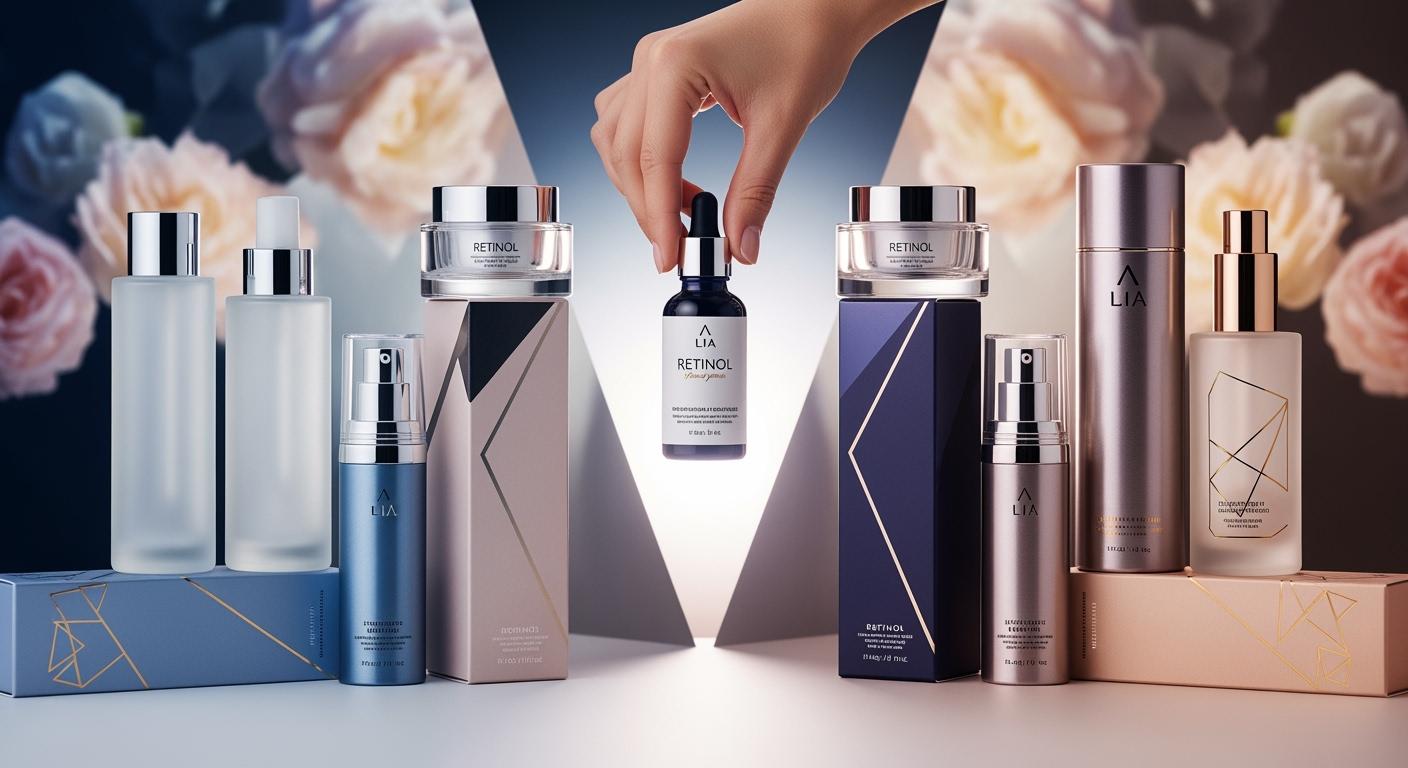
You want the best packaging for your retinol serums. Airless pump bottles, dark glass, aluminum tubes, and UV-protective plastic all give strong protection from air and light. These choices help keep the serum strong and stop it from breaking down fast. Retinol loses strength quickly if it touches oxygen or light, so good skincare packaging is important. With the right packaging, you can give stable and effective formulas that help your brand’s reputation in skincare.
Key Takeaways
- Pick airless pump bottles for retinol serums. These bottles keep out air and light. This helps the formula stay strong and work well.
- Dark glass and aluminum tubes are great choices. They stop bad light and keep the serum from going bad. This makes the serum last longer.
- Check if the packaging works well with your serum. This stops problems that can make the product weaker.
- Use designs that are easy for people to use. Simple packaging makes customers happy and helps them trust your brand.
- Think about the environment when picking packaging. Refillable and eco-friendly materials can make your brand look better.
Why Packaging Matters
Retinol Sensitivity
Packaging is very important for skincare brands. Retinol serum is one of the most sensitive products. It breaks down quickly if it touches light, air, or heat. Studies show retinol can lose up to 80% of its strength in two months without good packaging. Because retinol is so sensitive, you need packaging that protects it well.
To keep your formulas working, you need packaging that blocks light and keeps air out. Airless pump bottles, dark glass, and UV-protective plastic are not just popular. They are needed to keep retinol stable. Using strong packaging helps your clients see results and trust your brand.
Packaging Impact on Stability
Packaging is not just about how it looks. It keeps your skincare products safe and stable. Oxygen causes oxidation, which ruins active ingredients like retinol. Vacuum packaging removes air and makes the shelf life twice as long as regular bottles. L’Oréal found vacuum-packed serums kept 95% of their strength after six months. Regular bottles only kept 60%.
Here’s what happens if you don’t use good packaging:
- Materials that block light stop your serum from breaking down.
- Air exposure causes oxidation and makes your product weaker.
- Bad storage makes ingredients break down fast, dropping effectiveness by 61% in one month.
For brand leaders, the right packaging means longer shelf life, better performance, and happier clients. You want packaging that protects, keeps formulas stable, and is easy to use. This helps your brand stand out and makes sure your products work well.
Best Packaging Options
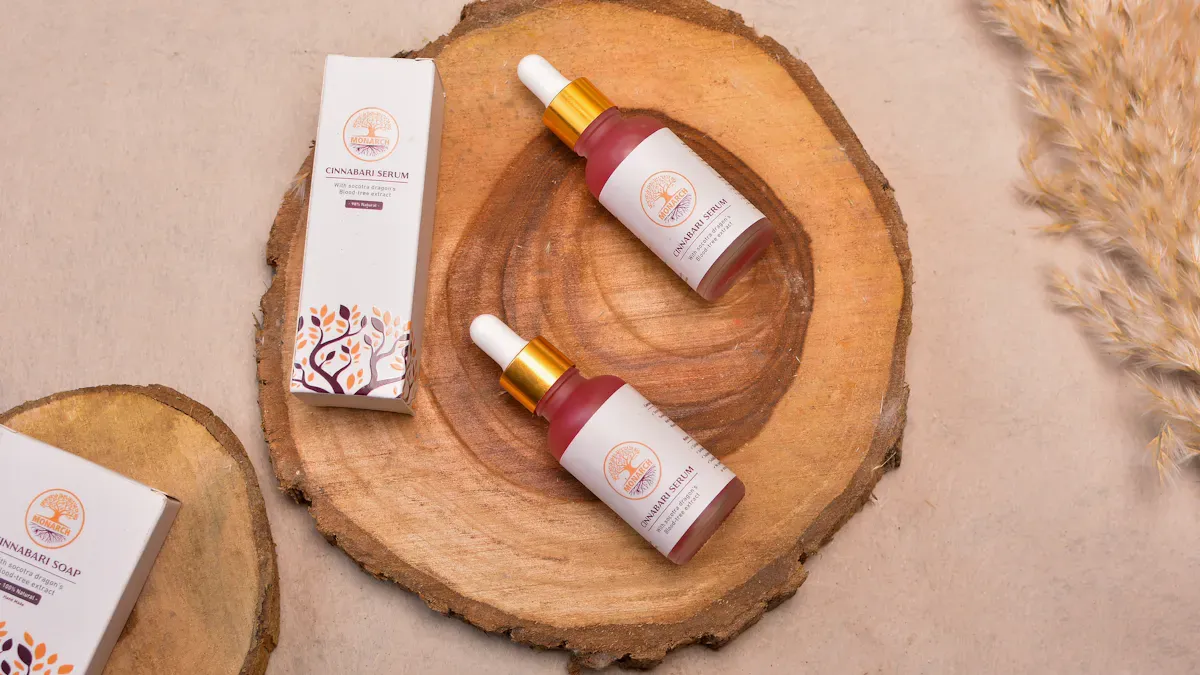
When picking packaging for retinol serum, you need to think about three things. You want your formula to stay strong. You want the bottle to look nice. You also want it to be easy to use. The right bottle can make your brand look better. It keeps your ingredients safe. It gives your customers a fancy feeling. Let’s look at the top choices that big skincare brands use. We will see how each one fits your product plan.
| Packaging Option | Description | Pros | Cons | Best For |
|---|---|---|---|---|
| Glass Dropper Bottles | A glass bottle with a rubber dropper bulb and cap. | Feels premium, non-reactive, good visibility. | Exposes serum to air, can introduce bacteria, offers no UV protection. | Oil-based serums, stable formulations, aesthetic-focused brands. |
| Airless Pump Bottles | A piston-based bottle that dispenses product without air exposure. | Best protection against air, precise dosing, hygienic, modern look. | Higher cost, complex recycling. | Water-based serums, especially those with unstable actives like Retinol. |
Airless Pump Bottles
Airless pump bottles are the best choice for retinol serum. They keep air and light away from your product. These bottles have a piston inside. The piston makes a vacuum. This stops air from getting in. Your serum stays strong and fresh for longer. Many airless bottles use dark or UV-coated materials. These block light and protect your ingredients. You get the right amount every time you pump. This helps you waste less and looks fancy.
Tip: Airless bottles are great for serums with unstable actives. They stop air from touching the serum each time you use it. Dropper bottles let air in every time you open them.
If you want your serum to look and feel fancy, use airless pump bottles. They also work well for sensitive formulas. You can use them for water-based or oil-based products.
Dark Glass Bottles
Dark glass bottles are a classic and fancy way to package skincare. Amber, blue, or frosted glass blocks UV rays. This keeps your serum safe from light. Glass does not react with most serums. It feels heavy and looks nice on a shelf. Many brands pick glass bottles for their weight and style.
But glass bottles do not keep air out after you open them. If you use a screw cap or dropper, air can get in. This can make retinol break down faster. Use dark glass bottles for serums that are more stable. They are good if you want a fancy look for less sensitive formulas.
Aluminum Tubes
Aluminum tubes give the best protection from air and light. They keep out air, light, and water. Your retinol serum stays safe from everything outside. Aluminum tubes are light and easy to carry. They look fancy with nice labels.
You can use aluminum tubes for creamy or gel serums. They are good when you want to squeeze out just the right amount. The tube gets smaller as you use it, so no air gets in. This keeps your serum fresh. Aluminum tubes are smart for brands that want the best for sensitive ingredients.
UV-Protective Plastic
UV-protective plastic bottles are strong and keep out bad light. They use special coatings or colored plastic to block light. These bottles are light and do not break easily. They still look fancy. UV-protective plastic is good for travel-size serums. You can make them in many shapes and styles.
You can use UV-protective plastic for airless pumps or regular bottles. This material is good for serums that need extra light protection. It is also cheaper than glass. Many brands use UV plastic for their main products. They save glass for their fanciest lines.
Dropper Bottles
Dropper bottles are popular for skincare, especially for oil-based or stable serums. They look like old medicine bottles and feel fancy. You can use the dropper to get just the right amount. Glass dropper bottles let you see the serum inside. This makes them feel special.
But dropper bottles are not good for sensitive formulas like retinol. Every time you open the bottle, air gets in. This can make the serum go bad. The dropper can also bring germs into the bottle. Dropper bottles do not block UV light unless they are dark or coated. They are not good for thick serums.
| Advantages | Disadvantages |
|---|---|
| Precise dosing | Higher costs |
| Reduced contamination | Potential microbial buildup |
| Enhanced perceived value | Fragility of glass versions |
| Protection of sensitive ingredients | Unsuitable for very thick or viscous serums |
Note: Dropper bottles are best for light, oil-based, or stable serums. Do not use them for unstable, light-sensitive, or thick formulas.
When you pick packaging for retinol serum, think about how thick your formula is. Think about how much you want to use each time. Airless pump bottles and aluminum tubes give the best protection. Dark glass bottles and UV-protective plastic look fancy and work for less sensitive serums. Dropper bottles look nice but are not good for unstable ingredients.
If you want your skincare brand to be special, pick packaging that protects and shows off your formula. Big brands like L’Oréal and Estée Lauder use airless pump bottles and aluminum tubes for their most sensitive serums. You can do the same to give great results and earn trust from your customers.
Skincare Packaging Materials
Glass vs. Plastic
When you pick packaging for retinol serum, think about the material first. Glass jars and plastic containers are both common, but they are not the same. Glass jars feel fancy and do not react with most formulas. This means your serum is less likely to get contaminated. Plastic can look cool and is light to hold, but not all plastic protects your serum well.
Here’s a simple chart to compare glass and plastic:
| Material | Chemical Inertness | Barrier Properties | Suitability for Retinol |
|---|---|---|---|
| Glass | Excellent | Excellent | Highly suitable |
| Plastic | Varies | Good (but varies) | Less suitable |
Amber glass jars with UV coatings are best for retinol serums. They block light and help keep your formula strong. Plastic can work if you use special types, but you must check for leaks or reactions.
Material Safety
Material safety is important for every skincare brand. You want your packaging to keep your serum safe and clean. Glass jars do not let chemicals get into your serum. Dark or coated glass also blocks air and light. Plastic can sometimes react with actives or let in a little air. This can make your product not as good.
If you use aluminum tubes or airless pump bottles, you get even more protection. These materials keep out air and light, so your retinol stays strong. Always make sure your packaging passes safety tests for skincare. You do not want your product to get contaminated or recalled.
Chemical Compatibility
Chemical compatibility is very important for retinol serum packaging. Not every material works with every formula. Some plastics can break down or react with strong actives. Glass jars and aluminum tubes are usually safe, but you still need to test them. Always test your real formula in the packaging, not just water or empty bottles. This helps you avoid leaks, clogs, or bad reactions when you make your product.
Tip: Ask your supplier to test the packaging with your real serum. This can help you save time and money later.
You want your skincare packaging to protect your formula, not just look nice. Big brands like Estée Lauder and L’Oréal use high-quality materials for their sensitive serums. You can do this too by focusing on blocking air and light, making sure the material works with your formula, and checking that it is easy to use.
Key Features for Skincare Product Packaging
Ease of Use
When picking packaging for skincare, you want it to be easy. Airless pump bottles are simple to use. They give a smooth and controlled amount each time. You do not waste or spill the serum. Most people like airless pumps for active ingredients. This design keeps air and germs away from the serum. Jars look nice but can let germs in and spoil the product. Airless packaging keeps the formula strong and stable. You get better quality and a nicer experience.
Tip: Controlled pumps help customers use the right amount. This makes your products seem more special.
Leak-Proof Design
Leak-proof packaging is very important for skincare. You do not want your serum to spill or dry up. Strong seals and tight lids keep the product safe. Many brands use dual-seal caps or anti-drip valves to stop leaks. These features also keep out dust and water, which can ruin the serum. Here are some top leak-proof features:
| Feature | Description |
|---|---|
| Dual-seal caps | Silicone gasket and twist-lock make a tight seal. |
| Anti-drip mechanism | Silicone valve in the dropper tip stops drips and keeps things clean. |
| Advanced sealing tech | Keeps out dust, germs, and water, lowering spoilage by 45%. |
You want your packaging to work with thick or thin serums. Screw-top lids and easy dropper caps help stop leaks and keep the product fresh.
Travel-Friendly Features
Travel-friendly packaging helps your skincare stand out. Airless bottles are great because they do not leak and are easy to carry. They protect the serum from air and germs, even when you travel. Your customers can take their skincare anywhere without worry. These bottles let users get almost all the product out, so nothing is wasted. Travel-ready packaging shows you care about safety and convenience.
Note: When you offer travel-friendly packaging, your brand competes with big names like Estée Lauder and L’Oréal. You show you care about both safety and ease for your customers.
By focusing on easy use, leak-proof design, and travel features, you make your skincare products better and more reliable. These choices help you earn trust and loyalty from your customers.
Skincare Product Packaging Tips
Sourcing Suppliers
You want strong packaging for your retinol serum. Start by finding suppliers who know skincare brands. Ask for samples before you buy a lot. Test each sample with your real serum. This shows if the packaging leaks or reacts with your formula. A good packaging maker can help you test for compatibility. They help you avoid mistakes and find the best fit for your serum. Check if the supplier has airless pump bottles, aluminum tubes, or UV-protective choices. These options help your serum stay strong and stable.
Tip: Always ask for a certificate of analysis and material safety data sheet from your supplier. This proves the packaging meets industry standards.
Customization & Branding
Packaging design affects how people see your brand. You can pick custom colors, finishes, and shapes that match your brand story. Work with your supplier to add your logo, product details, and safety warnings. Good packaging does more than look nice. It helps customers use the product the right way. Clear labels and easy pumps make your serum stand out. You can add tamper-evident seals for extra trust. Brands like Fig.1 and OneSkin use special packaging to show they care about safety and the planet.
Regulatory & Sustainability
You must follow strict rules for skincare packaging in big markets. Here’s a quick look at what you need:
| Requirement Type | Description |
|---|---|
| Laws and Regulations | Compliance with the Federal Food, Drug, and Cosmetic Act (FD&C Act) and Fair Packaging and Labeling Act (FP&L Act). |
| Cosmetic Labeling | Must adhere to FDA labeling regulations, which include all labels and accompanying written or graphic matter. |
| Declaration of Ingredients | Required to have a conspicuous ingredient declaration for consumer products (21 CFR 701.3). |
| Label Warnings | Must include appropriate warnings for hazardous cosmetics and directions for safe use. |
| Tamper-Resistant Packaging | Certain products must be packaged in tamper-resistant packaging when sold at retail. |
Sustainability is important and grows every year. You can use refillable packaging, like glass bottles with cartridges. Some brands use refill programs to cut carbon emissions by over 70%. Others get plastic neutral certification, which means they remove as much plastic as they use. These steps help your brand reputation and show you care about the planet.
- Refillable packaging options
- Carbon emission reduction programs
- Plastic neutral certification
You build trust when you focus on safe, stable, and green skincare packaging. The right packaging protects your formula and helps your brand grow.
Common Packaging Mistakes
Inadequate Protection
A cool-looking bottle is not enough for retinol serum. The packaging must do more than look nice. Clear bottles let in light, which makes the serum weak fast. Retinol does not stay strong if it gets UV light, air, or heat. Opaque containers block light and help keep the serum powerful. Every time you open a bottle, air and water can get in and hurt the serum. You need packaging that keeps these things out. Many brands forget to test how stable their product is. This means the serum might not work well when customers get it. Always pick packaging that keeps your skincare safe from things outside.
- Retinol breaks down fast if it gets too much light.
- Clear bottles without boxes let in light and make the serum weaker.
- Opaque packaging is needed to stop light from ruining retinol.
Tip: Try your packaging with real serum and check for leaks or problems. This helps you not make expensive mistakes.
Poor Material Choices
You need packaging that works well with your formula. Some plastics can react with retinol and make it break down. Glass and aluminum are better because they do not react with the serum. If you use the wrong material, your serum can get weak or even unsafe. Wide pipettes or airless bottles help you use thick serums without letting in air. Always ask your supplier for safety data and tests to see if the material is good. Big brands like Estée Lauder and L’Oréal use strong materials to keep their serums safe.
Ignoring User Experience
How people use your product is important for your brand. If the packaging is hard to use or leaks, people will not buy again. People think glass bottles are pure, safe, and high quality. A nice glass dropper bottle makes the serum seem better and more special. When people like the packaging, they tell friends and buy again. You need packaging that is easy to open, does not leak, and works with your serum’s thickness. Following rules and making packaging easy to use helps your brand stand out.
Note: Packaging that keeps the formula safe and is easy to use helps people trust your brand and makes your business grow.
You want your skincare brand to be noticed. You need packaging that keeps retinol safe from air and light. Airless pump bottles, dark glass, aluminum tubes, and UV-protective bottles help your formula stay strong. These choices also make your customers happy.
Packaging for retinol is more than just how it looks. It is about how well it works. The right packaging keeps retinol strong, survives shipping, matches your brand style, and fits your budget.
| Best Practice | Description |
|---|---|
| Proper Sealing | Containers must close tightly to stop leaks and keep the formula safe. |
| Contamination Control | Use clean spaces to stop germs from growing when filling bottles. |
| Compatibility Testing | Make sure packaging materials work with your formula so nothing breaks down. |
| Protective Packaging | Use packaging that blocks light and air to keep retinol working well. |
- Good packaging keeps serums with active ingredients safe.
- Airless bottles protect formulas better than dropper bottles.
- Oxygen, light, and germs can make serums weaker.
If you want help, Oulete has airless bottles, custom designs, special decorations, and sample tests. You get a partner who knows about airless systems, light protection, and formula safety. Pick packaging that keeps your formula safe and makes your brand strong.
FAQ
What packaging keeps retinol serum stable the longest?
Airless pump bottles and aluminum tubes work best. They block air and light, so your serum stays strong. You get better shelf life and fewer returns. Many top brands use these options for their most sensitive formulas.
Can you use clear bottles for retinol serum?
No, clear bottles let in too much light. This breaks down retinol fast. Always pick dark glass, aluminum, or UV-protective plastic. These choices help your formula stay effective and safe for your customers.
How do you test if packaging is compatible with retinol?
Ask your supplier for compatibility tests. Fill the packaging with your real serum and check for leaks, color changes, or clogs. Reliable suppliers, like those working with L’Oréal, offer these tests before you order in bulk.
Are dropper bottles a good choice for retinol serum?
Dropper bottles look nice, but they let in air every time you open them. This can weaken retinol. Use them only for stable or oil-based serums. For sensitive formulas, airless pumps or tubes work better.
What makes packaging travel-friendly for skincare brands?
Look for leak-proof seals, sturdy materials, and compact shapes. Airless pumps and aluminum tubes are easy to pack and protect the formula. These features help your brand stand out and keep your serum safe on the go.