


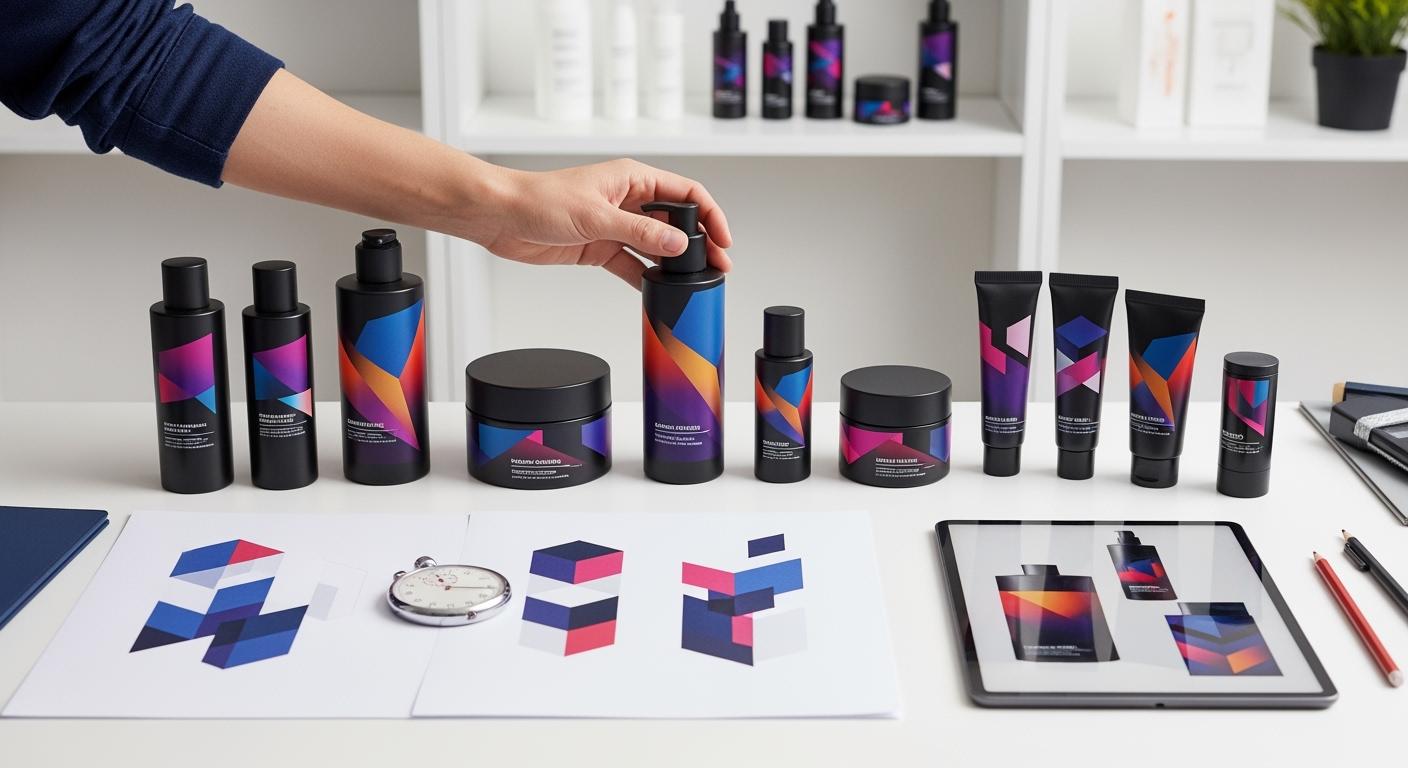
If you own a skincare brand, slow packaging projects can be frustrating. Delays happen frequently due to unclear specifications, numerous changes to samples, and suppliers who may not fully understand your needs. These issues can halt your launch and increase costs. Custom skincare packaging typically takes 8 to 14 months, with some brands requiring 18 months or more, while other cosmetic products can take up to 2 years. However, you can reduce packaging development time by utilizing sustainable packaging and smart solutions. By following consumer trends and leveraging effective technology, you can streamline every step of the process.
Key Takeaways
- Begin with clear instructions and templates to make packaging projects faster. This helps everyone know what to do and lowers mistakes.
- Set clear deadlines and jobs for each part of the packaging process. Checking in often helps keep projects moving forward.
- Build good relationships with suppliers. Trust and talking clearly help find answers faster and make work easier.
- Pick eco-friendly materials to make development quicker. Sustainable choices can cut testing time and attract people who care about the environment.
- Use technology like 3D prototyping and automation to make packaging development easier. These tools help you find problems early and save time.
Optimize Internal Workflow
Standardize requirements and templates
Start with clear requirements to make projects faster. Many brands lose time because briefs are not clear. If you make a detailed product brief, everyone knows what to expect. Use templates for briefs, artwork, and specifications. Templates help you avoid mistakes and keep things the same. A structured process stops too many changes and mixed feedback. Try to keep revision cycles to three or four rounds. Get decision-makers involved early to match the vision and avoid delays.
Tip: Having too many people can slow down packaging projects. Keep your main team small and focused.
Set clear timelines and roles
Set deadlines for each step of packaging development. Assign roles so everyone knows what to do. Decide who approves artwork, who talks to suppliers, and who checks samples. This stops confusion. Accountability is important. If you track costs for changes, people make faster choices. Regular check-ins help the project move forward. Use a simple table to organize tasks:
| Stage | Responsible Person | Deadline |
|---|---|---|
| Product Brief | Project Manager | Week 1 |
| Artwork Review | Design Lead | Week 3 |
| Supplier Contact | Procurement Lead | Week 4 |
Use digital project tools
Digital tools make packaging development easier. Platforms like Specright and Centric Software help you manage tasks and talk to suppliers. You can see all projects at once, which helps you find problems early. These tools fit your workflow and cut down on changes. Proofing features help you spot errors before production. You can track artwork, approvals, and files in one place. This makes timelines faster and lowers costs. Using digital tools helps you follow rules and keeps things clear.
Note: Digital project tools help you finish packaging faster and keep your team organized.
Supplier Collaboration for Skin Care Packaging
Build reliable supplier relationships
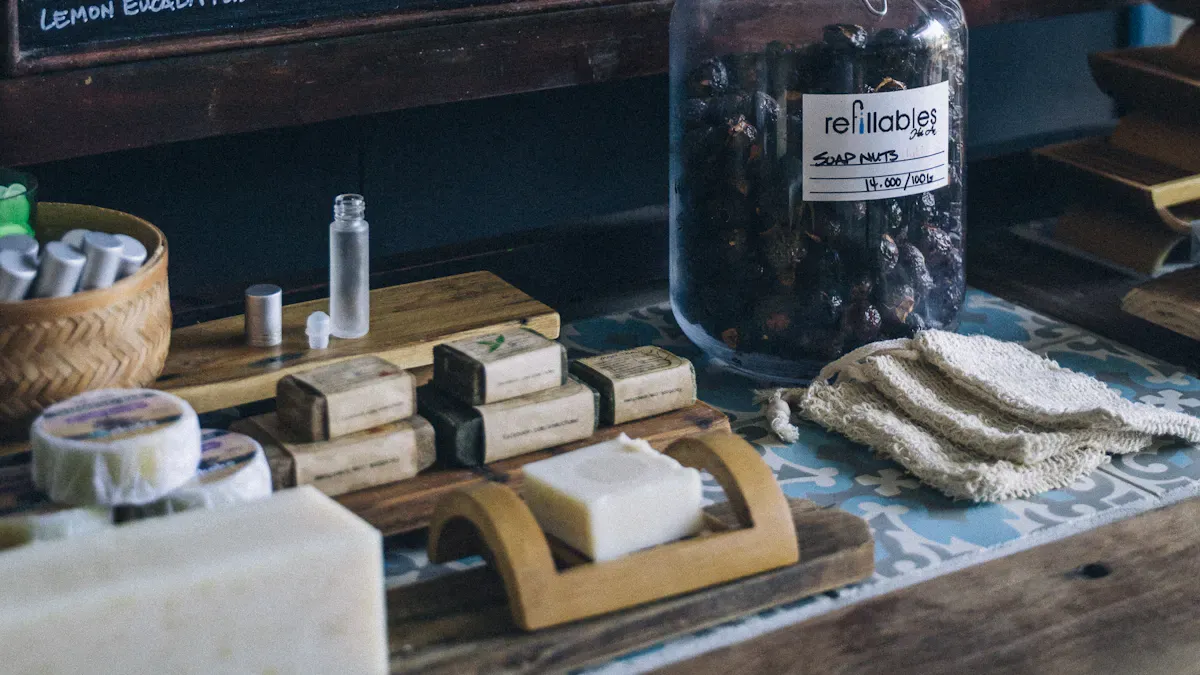
Good supplier relationships help your packaging timeline. If you trust your suppliers, they help you find new ideas and faster answers. Suppliers who trust you work harder for your brand. Look for partners with enough production power, steady quality, and who meet deadlines. Spend time learning about your suppliers, not just their products. This helps you handle big deals and change plans when problems happen. Brands that build these relationships have smoother shipping and more steady workflows. This keeps packaging projects moving.
- Build trust to encourage new ideas.
- Pick suppliers with strong capacity and quality.
- Aim for long-lasting partnerships, not just quick deals.
Communicate clear specs and expectations
Clear communication is important in packaging development. Give suppliers detailed specs and expectations from the start. This means artwork, materials, sizes, and labeling. When you share correct info, you stop mistakes and avoid delays. Brands with great formulas and good packaging details stand out. Set up systems to keep info neat and easy to find. This helps fix problems before they get bigger. Clear specs also help you grow and avoid rule problems later.
Tip: Use checklists for every packaging project. This helps you and your suppliers stay on track.
Schedule regular check-ins
Regular check-ins with suppliers keep projects moving. Meetings help you spot problems early and fix them fast. Sharing feedback and talking often leads to quicker answers and better results. Working together lets you make changes quickly and launch on time. Brands that plan these check-ins have fewer surprises and better launches. Make these meetings a regular habit.
- Meet with suppliers at important project steps.
- Share updates and feedback often.
- Use meetings to check progress and change plans.
Sustainable Packaging and Smart Solutions
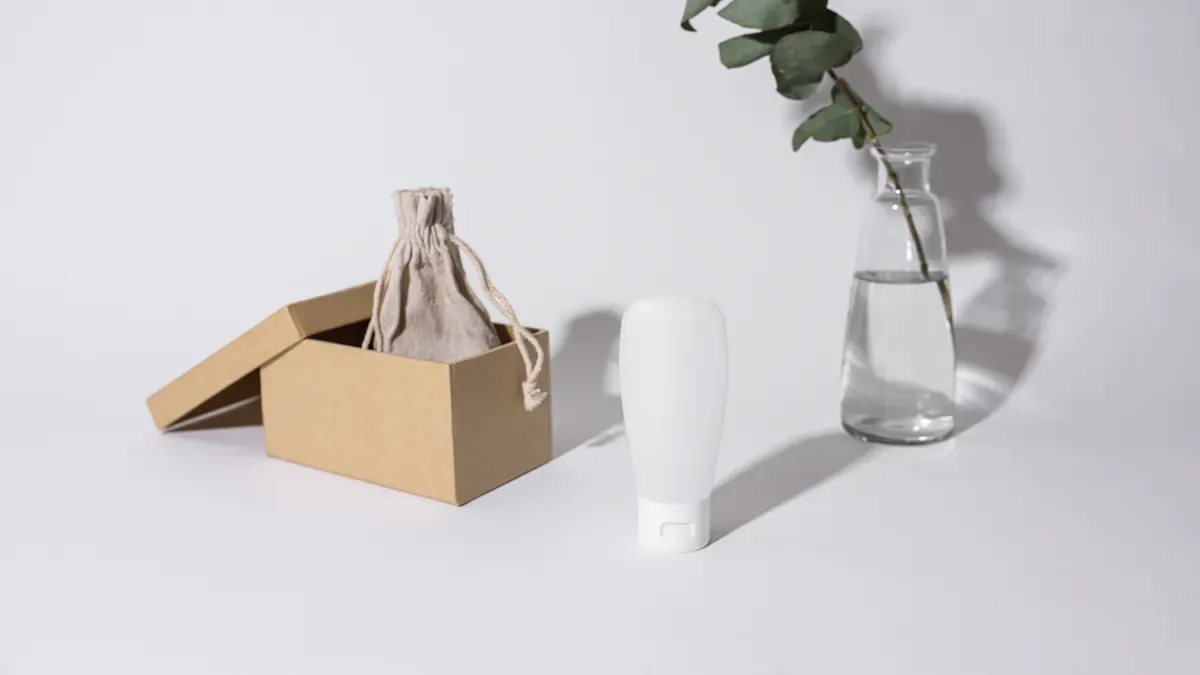
You want to make packaging projects faster. Many people want sustainable packaging now. The best way is to use sustainability in your design process. Smart packaging solutions help the planet. They also save time and money. Let’s see how you can do this with eco-friendly materials, easy recycling, and refillable systems.
Choose eco-friendly materials
Picking good materials is the first step. There are many sustainable materials in skincare. These materials help you launch faster. Suppliers know how to use them. You skip long testing cycles. Here is a simple guide to common options:
| Material | Eco-friendly Aspect | Technical Advantage | Ideal Use |
|---|---|---|---|
| Glass | Can be recycled many times | Cuts single-use waste | Jars, bottles, refillable containers |
| Aluminum | Strong, light, recyclable | Needs less new aluminum | Cream jars, luxury bottles, tubes |
| Bamboo | Grows fast, renewable, biodegradable | Works for hybrid designs, avoids product contact | Lids, caps, outer sleeves |
| PET | Light, easy to recycle | Lowers shipping emissions | Bottles, jars, tubes |
| Post-consumer plastics | Reduces landfill waste | Needs less new plastics | Bottles, tubes |
These materials are good for the planet and your brand. Glass and aluminum are easy to recycle and look nice. PET and post-consumer plastics cut waste and shipping costs. Bamboo gives your packaging a natural look. If you want to launch quickly, use stock packaging made from these materials. Add custom decoration to stand out. Oulete’s experience shows mature packaging with custom finishes can save months compared to full custom design.
Tip: Eco-friendly packaging can be fast and stylish. Pick materials suppliers already have. Focus on creative decoration.
Simplify recycling streams
You can make recycling easier for customers and your team. Use simple packaging designs. Mono-materials help recyclers sort and process faster. This step makes your supply chain more flexible. You can adapt to new rules without big changes.
- Mono-material packaging is easy to recycle and sort.
- Simple designs help your sustainability goals and meet what customers want.
- Streamlined supply chains let you react fast to new trends and rules.
If you use biodegradable plastics for bottles or jars, recycling gets easier. These plastics break down faster and cut waste. Clear labels show customers how to recycle each part. This builds trust and keeps your brand strong in sustainability.
Note: Simple packaging helps you develop, test, and launch products faster.
Implement refillable systems
Refillable packaging is changing skincare. Brands like L’Oréal and The Body Shop offer refillable containers. Customers buy a container once and refill it many times. This saves time for you and your customers.
- Refillable packaging cuts single-use plastics and waste.
- Customers save time by reusing containers and buying refills.
- Light refill systems are easy to handle, store, and ship.
Kjaer Weis, a Danish beauty brand, shows refillable packaging boosts customer happiness. Their refillable containers feel premium and cut waste. Customers like the sustainable choice and often return for more. This loyalty helps your brand grow. Refillable systems support the move to a circular economy. Customers want sustainable options. Refillable packaging meets this need.
If you want to launch fast, use stock refillable containers and add your branding. This lets you test the market and grow when you see results. You can use biodegradable plastics for refill pods to make packaging even greener.
Tip: Refillable systems are smart. They build loyalty, save time, and support sustainability.
Technology to Reduce Packaging Development
You want to make packaging faster for your skin care brand. Technology gives you tools to help at every step. Digital solutions help you launch products quickly and use less waste. Let’s see how 3D prototyping, rapid sampling, and automation can help you.
Use 3D prototyping and mockups
3D prototyping lets you look at your packaging before making it. You can share digital mockups with your team and suppliers. This helps you find problems early and fix them fast. You do not waste materials or time on samples that do not work. Oulete’s team uses 3D models to show how your packaging will look and feel. You can test shapes, colors, and finishes in hours instead of weeks.
- You can check designs with your team and get feedback fast.
- You can send 3D files to suppliers for quick approval.
- You can use digital mockups to check fit and function before making samples.
If you work with experienced suppliers early, you get expert advice. Oulete’s production lets you handle decoration, assembly, and testing in one place. This means fewer sample rounds and less waiting. You get fewer surprises and launch faster.
Tip: 3D prototyping helps you use fewer samples and makes packaging more eco-friendly.
Rapid sampling and testing
You need to test your packaging quickly. Rapid sampling helps you find problems before full production. Accelerated stability testing checks how your packaging lasts over time. This saves months compared to old testing ways.
- Test at zero, three, and six months.
- Use at least three batches to make sure results are good.
- Control temperature, humidity, and light during testing.
These tests help you spot issues with materials or design. You can fix problems early and avoid delays. Oulete’s in-house testing gives you fast results and lets you make changes without waiting for outside labs. Your packaging stays safe and eco-friendly.
Note: Rapid testing helps you launch packaging faster and with confidence.
Integrate automation
Automation changes how you manage packaging projects. You can keep all your design files in one digital system. Your production partners always have the latest files and rules. This cuts mistakes and speeds up approvals.
- Automation makes prototypes and mockups from templates.
- You can manage labels and regulatory data in one place.
- You move from design to production with fewer slowdowns.
When you automate tasks, you save up to 40% in labor costs. You can cut logistics and packaging costs by 30–40%. You get your money back in 6–12 months. Customer satisfaction goes up by 20–25%. Custom-fit packaging cuts waste and costs by up to 30%. Smaller boxes lower shipping costs and help your brand stay eco-friendly.
Oulete’s automated systems help you track every step of your packaging project. You can see progress, spot delays, and make changes fast. Your packaging stays eco-friendly and launches on time.
Tip: Automation helps you save time, money, and makes your packaging more eco-friendly.
Address Bottlenecks in Skin Care Packaging
Identify common delays
You probably know that delays can pop up at any stage of your packaging project. Artwork changes, unclear specs, and waiting for sample approvals often slow things down. Sometimes, suppliers run out of materials or face shipping issues. You might also see delays when regulations change or when you need to switch to more sustainable options. If you track each step, you can spot where things get stuck. Use a simple checklist to review your process after every launch. This helps you catch repeat problems and fix them before they grow.
Tip: Ask your team and suppliers to share feedback after each project. You’ll find hidden bottlenecks that way.
Develop contingency plans
You can’t always avoid problems, but you can prepare for them. Start by working with your partners to look for risks. Think about supply chain issues, weather events, or new rules that could affect your packaging. Build a list of backup suppliers and shipping options. Set up clear ways to talk with your team and suppliers if something goes wrong. You might want to create a small group that can jump in and solve problems fast. When you have these plans ready, you can keep your project moving even if something unexpected happens.
- Work together to spot risks early.
- Keep a list of backup suppliers and logistics partners.
- Set up fast ways to share news and updates.
- Build a team that can respond quickly to any issue.
Having a solid plan helps you avoid delays and keeps your packaging launch on track. You can keep quality high and meet your deadlines, even when things change.
Use alternative suppliers
Sometimes your main supplier can’t deliver what you need. That’s when alternative suppliers become important. They can help you find eco-friendly materials that work with your formulas. Some suppliers focus on post-consumer recycled options, while others offer creative ways to avoid plastic. When you connect with suppliers who share your values, you get more choices and faster solutions. You also lower your risk of running into shortages or delays.
- Alternative suppliers give you access to new materials.
- You can test different packaging options without waiting.
- You build a stronger supply chain for your brand.
If you keep a network of trusted suppliers, you can switch quickly when you need to. This keeps your packaging projects moving and helps you stay ahead of the competition.
Case Studies and Quick Wins
Brand examples
You want to see how other brands move fast. Let’s look at a few real examples. One new skincare brand needed to launch a serum line in three months. They started by confirming the formula and filling method before picking any packaging. This step helped them avoid changes later. They chose a mature airless bottle structure that suppliers already had in stock. This decision cut their lead time by half. They also ran sample and compatibility tests at the same time. The brand worked with Oulete, who managed the whole process—custom decoration, production, and shipping. The launch happened on time, and the brand saved money.
Another group of brands wanted to test new products quickly. They picked stock droppers and tubes. Oulete helped them with fast mockups and small-batch production. These brands got feedback from customers in weeks, not months. They could change designs or formulas without wasting time or materials.
Note: Brands that use proven packaging structures and work with one-stop partners like Oulete can launch faster and avoid common mistakes.
Actionable tips
You can speed up your packaging projects with a few simple steps:
- Confirm your formula and filling method before you pick a bottle or tube.
- Choose mature structures that suppliers have in stock. This move saves time and lowers risk.
- Run sample and compatibility tests at the same time. You spot problems early and avoid delays.
- Work with a partner like Oulete. They cover airless bottles, droppers, tubes, and pumps. You get help with customization and production coordination.
- Keep your team small and focused. Fewer people means faster decisions.
If you follow these steps, your brand will see faster launches and fewer headaches. You can test new ideas, react to trends, and grow your business with less stress.
You can make your skincare packaging projects go faster by using clear templates. Work closely with your suppliers. Pick smart and sustainable materials. Special packaging helps your brand get noticed. It also helps customers trust you. Here are some important things to remember:
- Bright designs help people remember your products.
- Sharing ingredients and certifications makes your brand more trusted.
- Easy instructions help customers feel sure about using your products.
| Strategy | How It Helps You Launch Faster |
|---|---|
| Mono-material packaging | Makes recycling easy and helps you keep up with new trends. |
| Lightweight designs | Lowers shipping costs and helps you reach green goals. |
| Smart packaging tech | Gets customers interested and teaches them about your brand’s values. |
Try these ideas and you will launch faster and have happier customers.
FAQ
How can I speed up packaging development if I have a tight launch date?
You can choose stock packaging and focus on custom decoration. This lets you skip long mold-making steps. Work with suppliers who offer in-house testing and fast mockups. You will see results in weeks, not months.
What is the best way to avoid sample approval delays?
You should confirm your formula and filling method before picking packaging. Share clear specs and artwork files with your supplier. Use digital proofing tools to review samples quickly. This keeps your project moving.
How do I handle last-minute changes from my marketing team?
Set a cut-off date for changes at the start of the project. Explain how late changes can cause delays and extra costs. If changes happen, use digital templates to update files fast and share them with your supplier right away.
What should I do if my main supplier cannot deliver on time?
Keep a list of backup suppliers who meet your quality standards. Test their packaging options early. If you face delays, switch to these partners quickly. This keeps your project on track and avoids missed launch dates.
How can I make sure my packaging meets sustainability goals and regulations?
Pick materials that suppliers already certify as eco-friendly. Ask for documentation and test reports. Use simple designs that are easy to recycle. Stay updated on new rules by joining industry groups or working with experienced partners.