


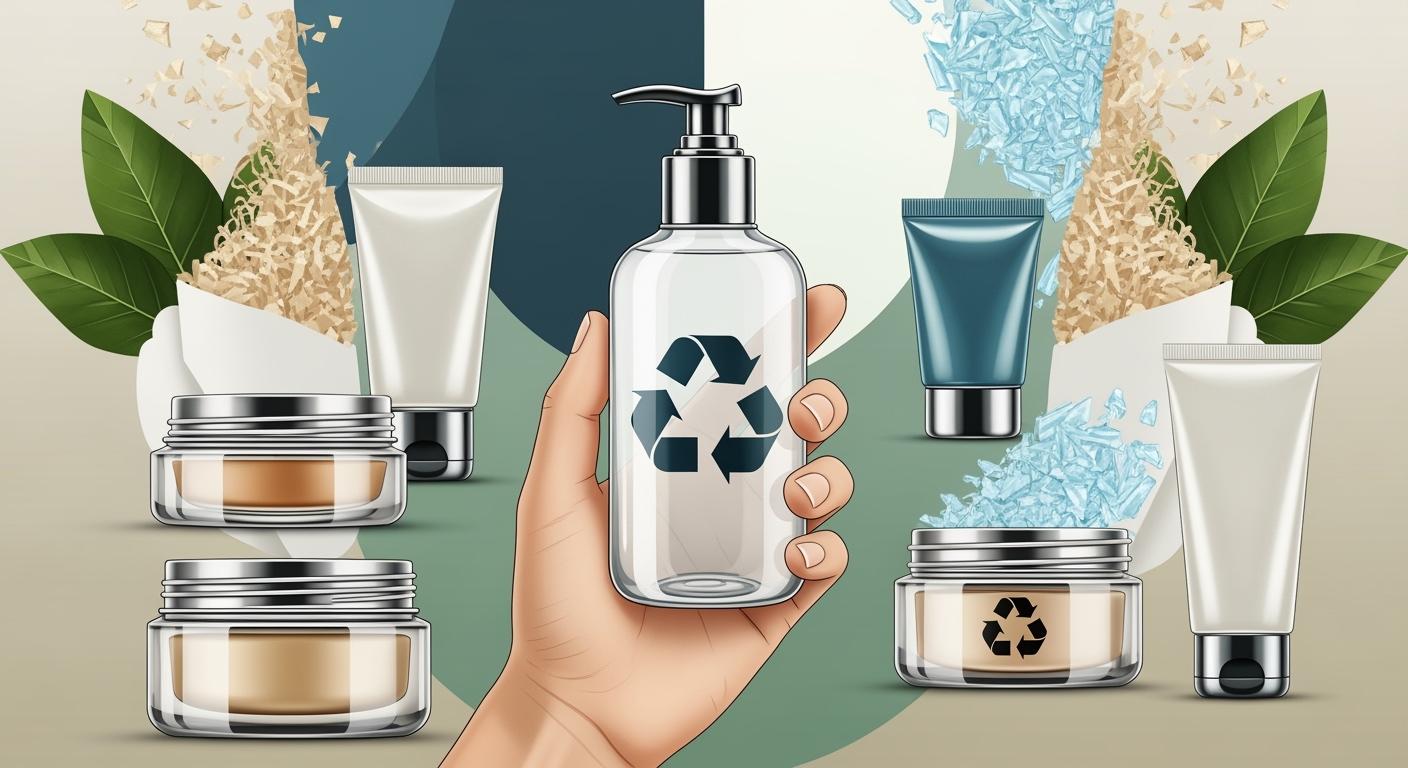
You might think picking cosmetic packaging is just about cost or style, but there is more to it. PCR in cosmetic packaging means using recycled plastic from things people already used, like bottles. This packaging looks and works the same as normal plastic, but it helps the planet by using less energy and making fewer greenhouse gases. When you pick PCR packaging, you help recycling and cut down on trash.
| Aspect | PCR Impact | Traditional Plastic Impact |
|---|---|---|
| Energy Use | Uses less energy | Uses more energy |
| Greenhouse Gas Emissions | Makes less pollution | Makes more pollution |
| Demand for Virgin Materials | Needs less new plastic | Needs more new plastic |
| Contribution to Circular Economy | Helps recycling and reuse | Makes more trash and landfill |
Key Takeaways
- PCR means post-consumer resin. It is recycled plastic from old bottles. Picking PCR packaging helps cut down on trash. It also helps recycling programs. Using PCR in cosmetic packaging saves energy. It also lowers greenhouse gas emissions. It can reduce carbon pollution by about 60% compared to new plastic. Brands that use PCR packaging look more eco-friendly. This choice brings in people who care about the Earth. These people want products that are better for nature. Check for labels that show PCR content on packaging. This helps you pick items that help recycling and cut down on plastic waste. Every small choice, like picking PCR packaging, helps make the planet healthier. Your choices can push brands to use better practices for the Earth.
PCR in Cosmetic Packaging
What Is Post-Consumer Resin (PCR)
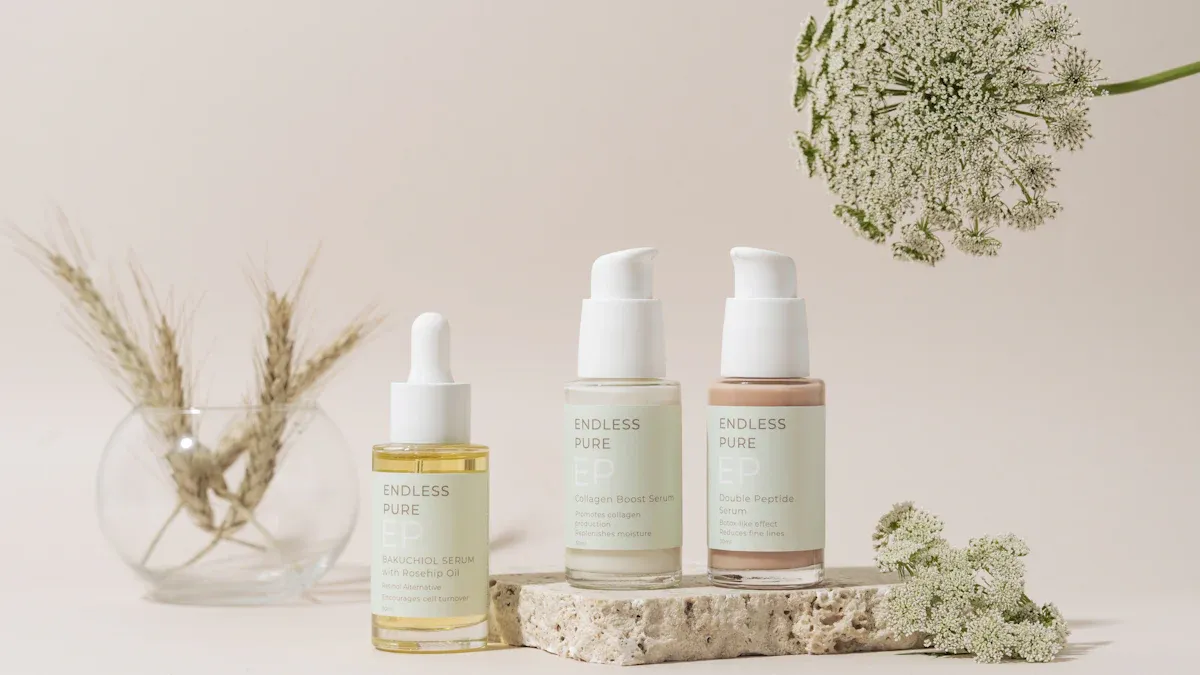
You might see “pcr in cosmetic packaging” a lot. But what does it mean? Post-consumer resin is plastic that comes from things people already used, like bottles and containers. When you pick pcr cosmetic packaging, you help give old plastic a new use. This keeps it out of landfills.
The International Organization for Standardization (ISO) says post-consumer or post-use material is plastic that has been used by people and finished its job. It can’t be used again for its first purpose. Sometimes, it comes back from stores or shipping.
Most pcr in cosmetic packaging comes from used bottles and containers. These are collected, cleaned, and made into new packaging. This helps cut down on waste and supports green efforts in beauty.
How PCR Is Made and Used
You may wonder how pcr cosmetic packaging is made. It starts when you recycle your empty shampoo bottle or jar. Here’s what happens next:
- Recycling centers gather used bottles and containers from people.
- Workers sort the plastics by type and color.
- The plastics are washed to get rid of labels and dirt.
- The clean plastics are chopped up and melted into small pellets.
- Makers check the resin to make sure it is safe and good quality.
- The resin is shaped into new jars, tubes, or bottles.
PCR in cosmetic packaging must pass safety checks before you use it. These checks include:
- The packaging cannot change the product’s quality or safety.
- Tests make sure chemicals do not move from the package to the product.
- Some oils can break down certain plastics, and acids can damage metal parts.
- There are strict rules for leave-on cosmetics, but rinse-off products have easier rules.
- Experts check for health risks all along the process.
You might see pcr cosmetic packaging with a label like “contains 50% PCR.” Most packaging uses between 25% and 100% pcr. Many beauty products use 35% or 50% pcr, and 50% is a strong selling point.
Note: PCR is not just a swap for new plastic. It changes the way the plastic is made. PCR has shorter chains, so it is not as strong. It can also have color tints from old plastics, so it is hard to make clear. Tiny flaws in PCR can look like mistakes, which is a problem for fancy brands.
When you choose pcr cosmetic packaging, you help use less oil and keep plastic out of landfills. Brands that use pcr are seen as more eco-friendly. You help support recycling and make beauty better for the planet.
Environmental Impact of PCR
Reducing Plastic Waste
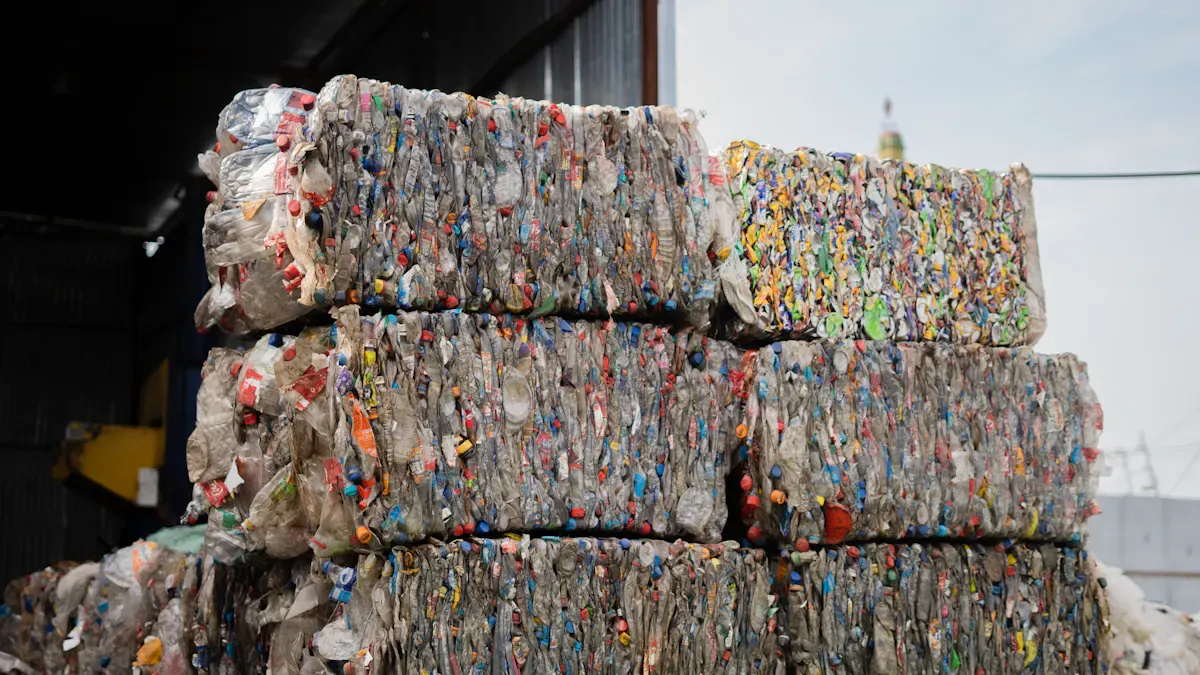
When you pick packaging with pcr, you help the Earth. The cosmetics industry makes a lot of trash every year. Here are some facts:
- The cosmetics industry makes about 5.3 million tons of plastic trash each year.
- It uses around 120 billion packages every year, and many cannot be recycled.
- About 70% of cosmetic packaging trash goes to landfills.
Choosing pcr packaging means less new plastic is needed. PCR plastics keep trash out of landfills and oceans. They help recycling happen again and again. Almost 40% of the world’s plastic trash comes from packaging, so using pcr helps a lot. You help use landfills less and need less new plastic. This change helps the planet and makes beauty products better for the environment.
When you pick pcr packaging, you help recycling and support a circular economy. You give old plastic another use and keep it out of the trash.
Lowering Carbon Footprint
Using pcr packaging lowers the carbon footprint of beauty products. Post-consumer recycled plastic can cut carbon pollution by about 60% compared to new plastic. Making a bottle from 100% recycled PET uses 79% less energy than making one from new PET. This means less pollution and less use of oil and gas.
| Study | Reduction in CO2 Emissions |
|---|---|
| Saleem et al. (2023) | 22.6% less than new plastic |
| Hidalgo-Crespo et al. (2022) | Almost 50% less than new resin |
When you pick pcr packaging, you help brands reach their green goals. PCR materials use less energy, save water, and make less greenhouse gas. They also lower the impact from moving products. You help make plastic better for the planet and make beauty products greener.
Every time you choose pcr packaging, you help the planet. You make a good difference and show brands to use more recycled materials.
Benefits of PCR Cosmetic Packaging
For Brands
Many cosmetics brands pick PCR packaging to stand out. Using recycled materials shows you care about the planet. This choice means less new plastic is needed. It also saves natural resources. You help lower greenhouse gases and make packaging last longer. Brands that use PCR make less waste and use less energy.
- Needs less new plastic
- Makes less pollution
- Helps products be greener
- Gets people to reuse things
- Uses less power to make
Now, even fancy brands use PCR packaging for their green goals. New ways to make PCR have made it better for high-end products. This helps brands reach people who care about the Earth. It also cuts down on harm to nature. Big brands like L’Oréal use more PCR in their packaging. L’Oréal uses recycled or plant-based stuff in 32% of their packages. This shows they really want to help the planet.
Brands that use PCR can show more recycled content. They also look better in ESG reports. This helps people trust brands that care about the Earth.
For Consumers
You get benefits when you buy cosmetics with PCR packaging. You help give old plastic a new use. This keeps trash out of landfills and lowers your carbon footprint. PCR packaging works just as well as regular packaging. You do not have to change how you use your products.
- Helps recycling
- Makes less landfill trash
- Keeps packaging strong
- Easy for shoppers
People today like brands that care about the planet. A 2023 McKinsey study says most US shoppers worry about packaging waste. Sales of refillable beauty packaging went up by 364%. This shows people want greener choices. You help brands use more recyclable and compostable materials. Simple designs and cool recycled materials are popular with young people, like Gen Z.
When you pick cosmetics with PCR packaging, you help the planet. You also push brands to use more recycled stuff and be greener.
Effective PCR Cosmetic Packaging
Quality and Safety
You want your makeup to stay safe and fresh. Good pcr cosmetic packaging must follow strict rules to protect products. ISO 22715 is a main rule for beauty packaging. These rules say all materials must be safe and not toxic. Packaging cannot have bad things like heavy metals or phthalates. Suppliers give safety sheets to show their packaging is safe.
There are two kinds of packaging in cosmetics. Primary packaging touches the product, like bottles or tubes. Secondary packaging covers the main container, like boxes. Both types need safety checks, but primary packaging needs the strictest rules.
CosPaTox guidelines also help keep you safe. These rules set safety for different pcr types, like PE and PP. Leave-on products, like creams, need the strictest packaging. Rinse-off products, like shampoos, have easier rules. Brands use new tests to check recycled materials and follow the latest safety steps.
| Aspect | Details |
|---|---|
| Guidelines Source | CosPaTox guidelines |
| Safety Profile | Sets safety for different pcr materials (PE, PP) |
| Packaging Requirements | Strict for leave-on, easier for rinse-off |
| Testing Method | New ways to test pcr materials |
| Risk Assessment Principles | Checks safety for the whole value chain |
| Quality Management | Guides recyclers to meet new rules |
How to Support or Choose PCR Packaging
You can help make eco-friendly packaging more popular. Look for clear green labels on products. Brands that use pcr often show this on their packaging. Simple and recycled designs attract people who care about the planet. You can scan QR codes or check online to learn about the recycled materials.
If you want to help brands, pick ones with plastic reduction goals and closed-loop recycling. These brands share their progress and show they care about the Earth. You can also look for companies that join CSR projects to help nature.
Brands face some problems when they switch to pcr packaging. It can be hard to get enough recycled materials or keep quality the same. Costs can be higher than regular plastic, but new technology is making pcr cheaper. Here are some common problems:
| Challenge | Description |
|---|---|
| Inconsistent quality | Quality of pcr can change and affect the product |
| Limited availability | Hard to find enough recycled materials |
| Higher costs | pcr can cost more than new plastic |
| Regulatory hurdles | Rules can make it harder to use pcr |
| Processing difficulties | Making packaging with pcr can be tricky |
If you work for a brand, you can build trust by using green labels and sharing your progress. You can also work with good suppliers like Oulete. They give advice, samples, custom finishes, and steady quality for big orders. This helps you reach your goals for long-term teamwork and eco-friendly values.
Tip: Pick packaging that shows how much pcr is used. Ask your supplier for safety papers and details about recycled content.
Picking PCR in cosmetic packaging is good for the Earth. It also shows you care about brands that want to help nature. When you use PCR, you need less new plastic. This means less pollution and less waste. PCR keeps plastic in use instead of throwing it away. Here’s why PCR is important:
| Benefit | Why It’s Important |
|---|---|
| Reduces new plastic use | Saves resources and energy |
| Lowers carbon footprint | Cuts greenhouse gas emissions |
| Supports circular economy | Keeps plastic out of landfills |
Your choice really matters. Even small choices—like using PCR packaging—help make beauty better for the planet.
FAQ
What does PCR mean in cosmetic packaging?
PCR means post-consumer resin. This is plastic that comes from things people already used. Brands use this recycled plastic to make new packages for beauty products.
Is PCR packaging safe for skincare and beauty products?
PCR packaging is safe to use. Brands check it to make sure it is good quality. The packaging must follow strict rules so your products stay clean and safe.
How can you tell if a cosmetic package uses PCR?
You can look for labels that say “PCR content” or “contains recycled materials.” Sometimes, there are QR codes or information on the brand’s website.
Does PCR packaging affect the look or performance of products?
PCR packaging works like normal plastic. Sometimes, you might see color spots or small marks. But your product will still be safe and work well.
Why should you choose brands that use PCR packaging?
You help cut down on plastic trash and support recycling. Brands that use PCR show they care about the Earth. Your choice helps make beauty packaging better for the planet.