


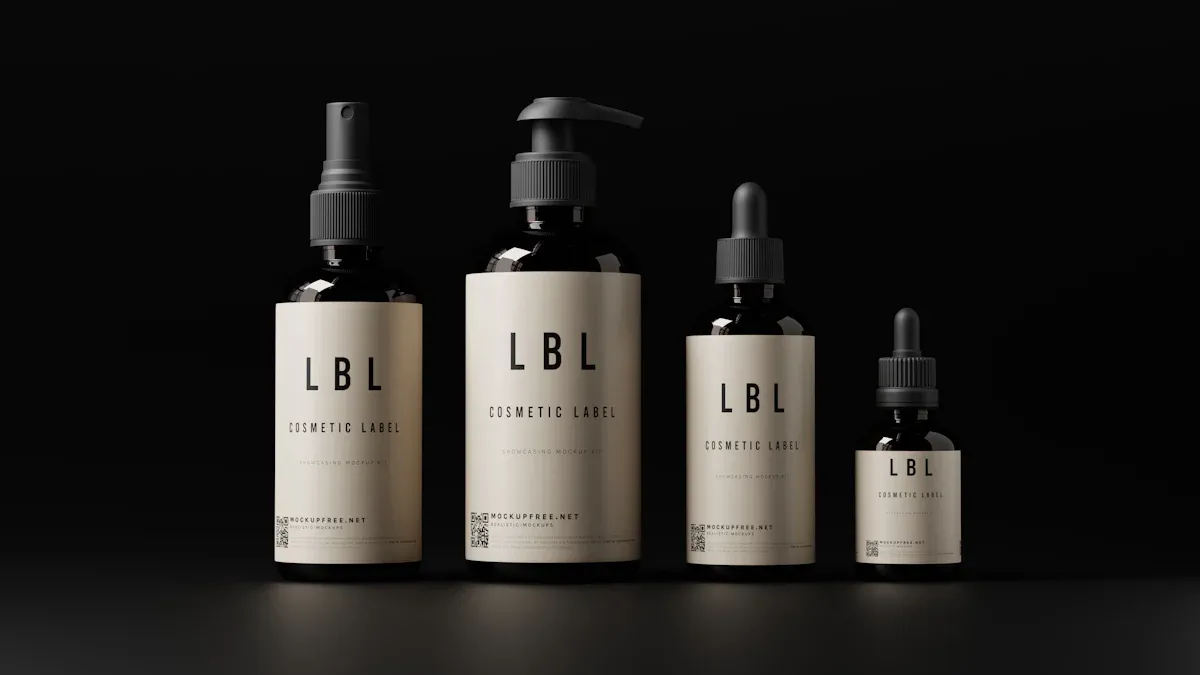
When you label body oil bottles, you want clarity and durability. Oil-resistant, waterproof, and sustainable materials help your essential oil labels stay strong. Good labeling matters for professional appeal and compliance. Make sure information stands out with a font size of at least 1/16 inch in English. The right adhesive sticks even if the amount of oil in the bottle changes. If you label your essential oil bottles, match the label size to the bottle shape. Consumer appeal and environmental responsibility count when you label your essential oils like a pro.
Tip: Always check the ingredients declaration and label essential oil bottles with legible text.
Key Takeaways
- Choose durable materials like polypropylene or BOPP for labels. These materials resist oil and water, ensuring your labels last longer.
- Include essential information on your labels, such as product name, ingredients, and usage instructions. This builds trust and keeps customers safe.
- Follow proper application techniques to avoid bubbles and wrinkles. Clean bottles and strong adhesives help your labels stick well and look professional.
Materials and adhesives for label body oil bottles
When you start labeling your body oil bottles, you want labels that last. Oils can make paper labels peel or smudge, so you need durable materials for essential oil labels. Let’s look at your best options.
Synthetic and film label options
You have a lot of choices for synthetic and film labels. These labels stand up to oil, water, and even tough weather. If you want the best material for essential oil labels, check out this table:
| Material | Properties | Best For |
|---|---|---|
| Polypropylene (PP) | Water-resistant, Oil-resistant, Chemical-resistant, Flexible, Tear-resistant | Squeeze bottles, Cosmetics, Chemicals, Wet environments |
| Polyethylene (PE) | Squeezable, Water-resistant, Freezer-grade, Conformable to curves | General purpose labels, Food products, Cosmetics |
| Polyester (PET) | Highest durability, Chemical-resistant, Temperature-resistant, UV-resistant, Dimensional stability | Industrial labels, Outdoor labels, Automotive, Harsh environments |
| Vinyl | Highly conformable, Weather-resistant, UV-resistant, Permanent adhesion | Outdoor labels, Complex curves, Floor graphics |
| BOPP Synthetic Paper | Resistant to water, UV rays, and tearing | Premium product labels, Outdoor advertising, Durable packaging, Industrial manuals |
You can see that polypropylene (PP) and BOPP synthetic paper are both oil-resistant and waterproof. These materials work well for squeeze bottles and cosmetics. Polyester (PET) gives you the most durable label, even in harsh environments. Vinyl sticks to curved bottles and jars, so your label stays smooth.
If you want your labels to last, synthetic and film labels beat paper every time. Here’s a quick comparison:
| Label Type | Durability Features | Lifespan |
|---|---|---|
| Polypropylene (BOPP) | Tear, weather, scratch, chemical, and oil resistant | 6 months to 2 years |
| Paper Labels | Less durable, not resistant to environmental factors | Shorter lifespan |
You can also choose sustainable options. Some synthetic labels use post-consumer recycled materials. This helps you reduce waste and show your customers you care about the planet.
Tip: Match your label size and shape to your bottle. A curved bottle needs a flexible label like PE or vinyl. Flat bottles work with almost any material.
Strong adhesives for oily surfaces
You need strong adhesives to keep your labels in place. Oils can make labels slide off, so pick an adhesive made for oily or wet surfaces. These adhesives stick to glass, plastic, or jars—even if the bottle gets a little oily.
Before you apply your label, clean and dry the bottle. This helps the adhesive grip the surface. Press the label down firmly, especially around the edges. If you use a squeeze bottle or a jar with a wide curve, choose a label that bends without wrinkling.
Some adhesives are also eco-friendly. Look for labels that use water-based or solvent-free glues. These options help you stay sustainable while keeping your labels secure.
Note: Durable labels and strong adhesives make your product look professional and last longer on the shelf.
By choosing the right materials and adhesives, you make sure your labels stay put and look great. You also show your customers that you care about quality and the environment.
Label design for essential oil bottles
Clear text and layout
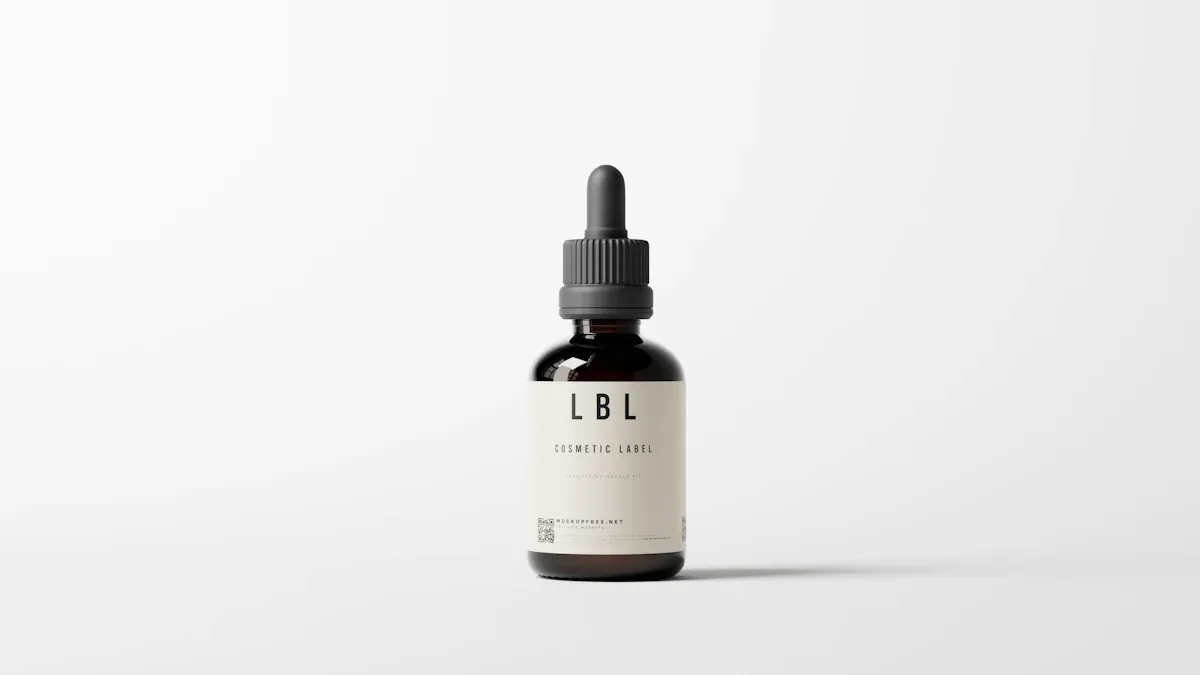
You want your essential oil labels to look sharp and easy to read. Start with the product name and oil type in the largest font. This helps customers spot your product fast. Use a font like Arial or Verdana, which works well for everyone, even people with dyslexia. Make sure there’s enough contrast between the text and the background. Adjust letter spacing if your bottle has curves, so the clear information stays visible. Keep body text at least 6-8pt for small bottles. Use bold font for important details and lighter font for less important info.
Tip: A simple layout makes your essential oil labels stand out. Avoid clutter and keep the design clean.
Essential information and readability
When you create essential oil labels, you need to include all the right details. Customers want to see ingredients, usage instructions, warnings, and batch or expiry dates. These details help them trust your product and stay safe. Here’s what you should add:
- Product name and oil type
- List of ingredients
- Usage instructions
- Warnings for safe use
- Batch number and expiry date
Check out this table for legal requirements:
| Requirement | Description |
|---|---|
| Legal Name | Show the product’s legal name |
| Manufacturer Info | Add your company name and address |
| Country of Origin | Tell where the product comes from |
| Hazard Information | Include warnings about harmful materials |
| Usage Instructions | Give clear instructions and precautions |
| Allergen Disclosure | List allergens if they are present |
Adding batch numbers and expiry dates helps with labeling and builds trust. Accurate labeling keeps your product safe and meets regulations. Customers feel confident when they see clear information about ingredients and warnings.
Label durability and professional appearance
Preventing smudging and peeling
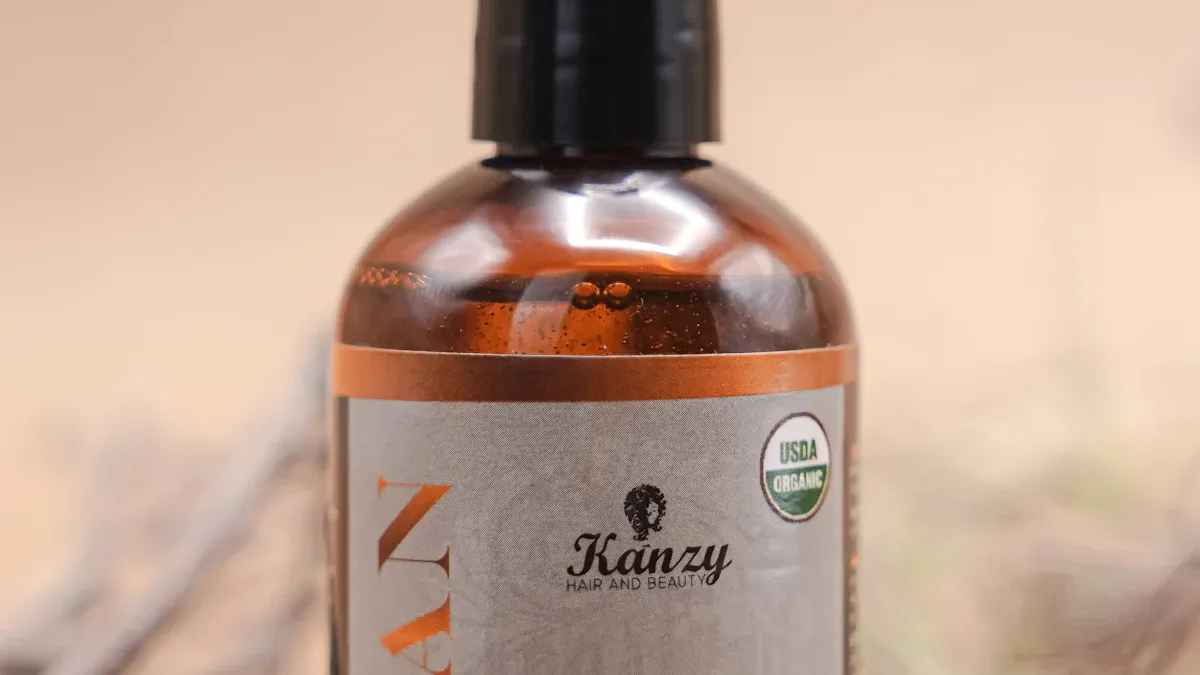
You want your labels to look sharp and last a long time. Start by cleaning and drying your bottles before you label body oil bottles. This step helps the adhesive stick well and keeps your labels from peeling. Here’s a quick way to get bottles ready:
- Use high-pressure water jets, brushes, and cleaning agents to remove dirt and oil.
- Rinse the bottles to wash away any leftover soap or cleaner.
- Dry the bottles with air or heated air so there’s no moisture left.
If you follow these guidelines, your labels will stay put and look neat. A clean surface means your label body oil bottles will not peel or slide off. You also want to use durable materials and adhesives that can handle oily surfaces.
Weatherproof and protective coatings
You can make your essential oil labels even more durable by adding a protective layer. Laminates and coatings keep your labels from smudging, fading, or peeling. Check out these options:
| Protective Coating/Laminate | Description |
|---|---|
| Polyester Laminates | Protects against moisture and heat. |
| Varnishes | Adds a liquid layer, can cover specific sections for design effects. |
| UV Coatings | Ideal for labels exposed to sunlight. |
| Clear Laminating Labels | Waterproof, scuff-resistant, and smudge-proof overlays for added protection. |
Lamination or UV coating helps your labels stay bright and readable. Clear laminating labels give you waterproof and smudge-proof protection. These guidelines help you keep your product looking professional.
When you match the label size and shape to your bottle, you show customers you care about details. Oversized labels can cover important information, while small labels might be hard to read. Follow these guidelines to create a durable, attractive, and professional look for your products.
Staying compliant with essential oil labeling rules and regulations
When you create essential oil labels, you need to follow regulations for labeling essential oils. Staying compliant with essential oil labeling rules helps you avoid legal trouble and builds trust with your customers. Let’s break down what to include on your essential oil labels so you can meet all the requirements.
Cosmetic regulations and legal disclaimers
You must follow US cosmetic regulations when labeling your essential oil bottles. These rules make sure your product is safe and easy to understand. Here’s a quick look at the main requirements:
| Required Element | Description |
|---|---|
| Name and address of manufacturer, packer, or distributor | Must be clearly stated on the label. |
| Net quantity of contents | Should indicate the amount of product in the container. |
| Prominent statement of required information | Must be easily readable and understandable by consumers under customary conditions of purchase. |
You also need to add legal disclaimers. These warnings protect you and your customers. Here are some common disclaimers you should include:
- The information is for educational purposes and not guaranteed to be accurate.
- The products have not been evaluated by the FDA and are not intended for medical use.
- Users are advised to consult a physician before using the products.
- The products are not intended to diagnose, treat, cure, or prevent any disease.
- Users should seek professional advice if they have health issues or are pregnant.
- The information provided is based on various knowledge traditions but is not guaranteed to be complete or accurate.
Tip: Always include safety warnings and usage instructions on your essential oil labels. This keeps your customers safe and shows you care about their well-being.
Language standards and batch info
You need to follow language standards for your labels, especially if you sell in international markets. Clear language helps everyone understand your product. Here’s what you should add:
| Requirement | Description |
|---|---|
| Product name/INCI name | Must be clearly stated on the label. |
| Batch code | Essential for tracking and quality control. |
| Place of origin | Indicates where the essential oil was produced. |
| Name and address of exporter | Contact information for the party responsible for the product. |
| Date of manufacture | Important for ensuring product freshness. |
| Best before date | Indicates the shelf life of the product. |
| Net weight | Must be clearly indicated on the label. |
| Recommended storage conditions | Instructions for optimal storage to maintain quality. |
| Organic products: certification number | Required if the product is certified organic. |
| Safety and risk phrases | Necessary for hazardous essential oils, including hazard symbols. |
Batch numbers and expiry dates are super important. They help you track your products and keep them safe. Here’s why you need them:
- Batch numbers often include codes for shelf-life and expiration dates, which are essential for tracking product quality.
- Essential oils change over time, making batch numbers and expiration dates crucial for quality tracking.
- The absence of batch numbers and expiry dates can indicate poor quality control, leading to potential safety issues.
- Batch numbers and expiration dates allow for traceability and verification of testing results.
Note: If you skip batch numbers or expiry dates, you risk safety problems and lose customer trust. Always add these details to your labels.
You should also include safety warnings and usage instructions. These warnings help your customers use your product safely. Make sure your warnings are clear and easy to read. If your essential oil is hazardous, add safety warnings and risk phrases. This keeps everyone safe and helps you stay compliant.
By following these regulations, you make your labeling strong and reliable. You protect your customers and your business. You also show that you care about safety and quality. If you want to succeed, always pay attention to what to include on your essential oil labels.
Enhance brand appeal when you label your essential oil bottles
Visual design and sustainability
You want your essential oil bottles to stand out on the shelf. Start with a clean and simple label design. Use bold colors or contrasting text to catch the eye. A custom logo can make your packaging look unique and professional. Try readable fonts so customers can see the name and details, even on small bottles.
You can choose from clear, glossy, paper, or foil labels. Foil labels add a touch of luxury and work well for high-end products. Waterproof and oil-proof labels keep your information clear and prevent smudging.
Tip: Focus on the most important details, like oil type and warnings. Too much information can make the label look crowded.
Sustainability matters to many shoppers. You can use recycled or recyclable glass bottles. Aluminum bottles are lightweight and easy to recycle. Some brands use biodegradable packaging, like seed paper, for eco-friendly disposal. Minimalist designs reduce waste and show you care about the planet. Refillable and reusable bottles encourage loyalty and help the environment.
Reflecting brand identity
Your label design tells your brand’s story. If your brand feels simple and calm, use soft colors and clean lines. If you want a bold look, try rich visuals and custom shapes. High-quality materials show customers you value beauty and durability.
You can use strong messages on your essential oil labels to connect with your audience. A good label balances elegance with toughness, so it stays nice even if oil spills. Customizable labels let you match your packaging to your brand’s style and message.
Note: Functional and attractive packaging builds trust. When you use high-quality materials and thoughtful design, your product stands out and feels special.
Application best practices for label body oil bottles
Step-by-step label application
You want your labels to look neat and stick well. Follow these instructions to get the best results every time:
- Cut out your printed label. If you use a blank label, write the recipe name first.
- Cut a piece of contact paper big enough to cover the label and fit your bottle. This step makes your label water-resistant.
- Peel off the backing from the contact paper. Use your fingernail to help separate it.
- Place the label on the sticky side of the contact paper. Try to keep it straight and centered.
- Align the sticker on your bottle. Stick the center top and bottom first, then wrap it around.
- Smooth the label with your fingertips. Remove bubbles and creases. If you need to, peel and reapply for a better fit.
These instructions help you create a professional look. Clean and dry bottles make the adhesive stick better. You avoid peeling and smudging by following each step.
Tip: Take your time with each step. Careful application shows you care about quality.
Smooth and accurate placement
Getting a smooth label on a curved bottle can be tricky. Use these techniques to avoid bubbles and wrinkles:
| Technique | Description |
|---|---|
| Use appropriate label materials | Pick materials that bend easily around curves. This helps prevent air pockets. |
| Ensure proper application pressure | Press firmly as you apply the label. This pushes out trapped air. |
| Select specific adhesive types | Choose bubble-free or air-release adhesives for a flawless finish. |
You can also pull the label taut as you stick it to the bottle. This keeps the surface smooth and wrinkle-free.
Accurate placement matters. Customers trust products with neat, consistent labeling. Clear information builds confidence and shows your commitment to quality. If your label looks damaged, people may think the product is flawed.
Note: Consistent labels help your brand stand out. Neat labels make your product look reliable and attractive.
You can label body oil bottles with confidence when you pick strong materials, clear designs, and follow labeling rules. These steps help you build trust and make your products look professional. Sustainable choices also boost brand appeal. Check out these benefits:
| Benefit | Description |
|---|---|
| Brand differentiation | Helps you stand out in a crowded marketplace |
| Lower carbon footprint | Reduces environmental impact throughout lifecycle |
| Compliance | Meets environmental and packaging regulations |
| Stronger customer loyalty | Builds trust and loyalty among eco-conscious buyers |
When you label body oil bottles the right way, you build trust and show you care about the planet.
FAQ
How do you keep labels from peeling off oily bottles?
Clean and dry your bottles before labeling. Use oil-resistant materials and strong adhesives. Press the label firmly for best results.
What information should you include on body oil bottle labels?
- Product name
- Ingredients
- Usage instructions
- Warnings
- Batch number
- Expiry date
Can you use regular paper labels for body oil bottles?
| Label Type | Durability |
|---|---|
| Paper | Low |
| Synthetic | High |
Paper labels peel and smudge. Choose synthetic labels for better durability.