


You can prevent contamination in a lotion jar by using clean hands, choosing jars with secure lids, and practicing good hygiene. Simple actions like using a spatula instead of your fingers help keep your lotion safe. The right jar design and clean habits make this process easy and effective.
Key Takeaways
- Always wash your hands before using your lotion jar. Clean hands help prevent germs from entering.
- Use clean tools like spatulas or cosmetic spoons instead of fingers to scoop out lotion. This reduces the risk of contamination.
- Choose jars with airtight seals and durable materials like glass. These features protect your lotion from air and germs.
Why Contamination Happens
Common Sources
You might not realize how easily lotion jars can become contaminated. Every time you open a jar, you expose the contents to new risks. Dust, oils from your skin, and even the air can introduce unwanted substances. Sometimes, the products you use every day, like perfumes or other lotions, can also add chemicals to your jar.
Common sources of contamination in lotion jars include personal products like lotions and perfumes, which can introduce phthalates, BHT, fatty acids, and oils. Additionally, poor laboratory techniques and environmental factors such as dust can also contribute to contamination.
Environmental factors play a big role, too. The way companies extract raw materials for lotions can harm the environment. Deforestation and habitat destruction often happen during this process. Factories use a lot of energy and sometimes release chemical waste into water systems. Most lotion jars use plastic packaging, which can last for centuries in the environment. When you throw away non-recyclable jars, they can break down into microplastics and leave chemical residues in nature.
Risks for Lotion Jars
Contaminated lotion jars can cause health problems. You need to know what can happen if bacteria get into your skincare products.
- A study found that 100% of store tester products contained bacteria such as staph, strep, and E. coli.
- Repeated exposure from dipping fingers into jars can lead to bacterial growth.
- Potential health consequences include rashes, acne, and infections.
- Eczema patients have been noted to reinfect themselves by using contaminated creams.
- Common bacteria like staphylococcus aureus can proliferate in creams due to finger contamination.
You can see why keeping your lotion jar clean matters. Simple habits and awareness help protect your skin and health.
Choose the Right Jar to Prevent Contamination
Best Materials for Lotion Jars
You want to pick a jar made from materials that help keep your lotion safe. Glass jars work well because they do not react with most lotions. They also block out sunlight, which can damage some ingredients. Glass is strong and does not scratch easily. This makes it harder for bacteria to hide in tiny cracks. Plastic jars are lighter and less likely to break if you drop them. Some plastics, though, can scratch or wear down over time. Scratches can trap germs and make it harder to keep the jar clean. Metal jars offer another option, but they can react with certain ingredients. When you choose a jar, think about how easy it is to clean and how well it protects your lotion from outside germs.
Tip: High-quality glass jars provide extra protection because they are durable and block harmful UV rays.
Secure Closures and Seals
A good jar needs a tight closure to prevent contamination. If air or water gets inside, germs can grow quickly. Look for jars with screw caps or flip-top lids. These types of closures keep the jar sealed when you are not using it. Some jars have special airtight seals. These seals stop air and moisture from getting in. When you use a jar with a secure closure, you help your lotion last longer and stay safe to use.
- Screw caps twist on tightly and do not pop open by accident.
- Flip-top lids make it easy to open and close the jar with one hand.
- Airtight seals add another layer of protection against germs.
Jar Design Features
The design of your jar matters just as much as the material and closure. Some jars have wide openings, which make it easy to scoop out lotion. However, wide openings also let in more air and germs. Narrow openings help prevent contamination by limiting how much air and dust can get inside. Some jars come with built-in spatulas or pumps. These features let you get lotion out without touching it with your fingers. You can also find jars with UV-blocking glass. This type of glass keeps sunlight from breaking down the lotion inside.
Here are some design features that help keep your lotion safe:
- Airtight seals that lock out air and moisture
- Secure closures like screw caps and flip-top lids
- Durable glass that blocks UV light and resists scratches
- Built-in spatulas or pumps to avoid direct contact
When you choose a jar with these features, you make it much easier to prevent contamination. You also help your lotion stay fresh and safe for longer.
Hygienic Handling and Filling
Clean Tools and Accessories
You play a key role in keeping your lotion safe. Clean tools and accessories help you prevent contamination during filling and daily use. Machines that fill lotion jars can spread germs if you do not clean them well. You need to use tools with sealed nozzles or enclosed systems. These designs stop bacteria from getting inside. Peristaltic filling machines work well for premium lotions because they limit contact between the product and machine parts.
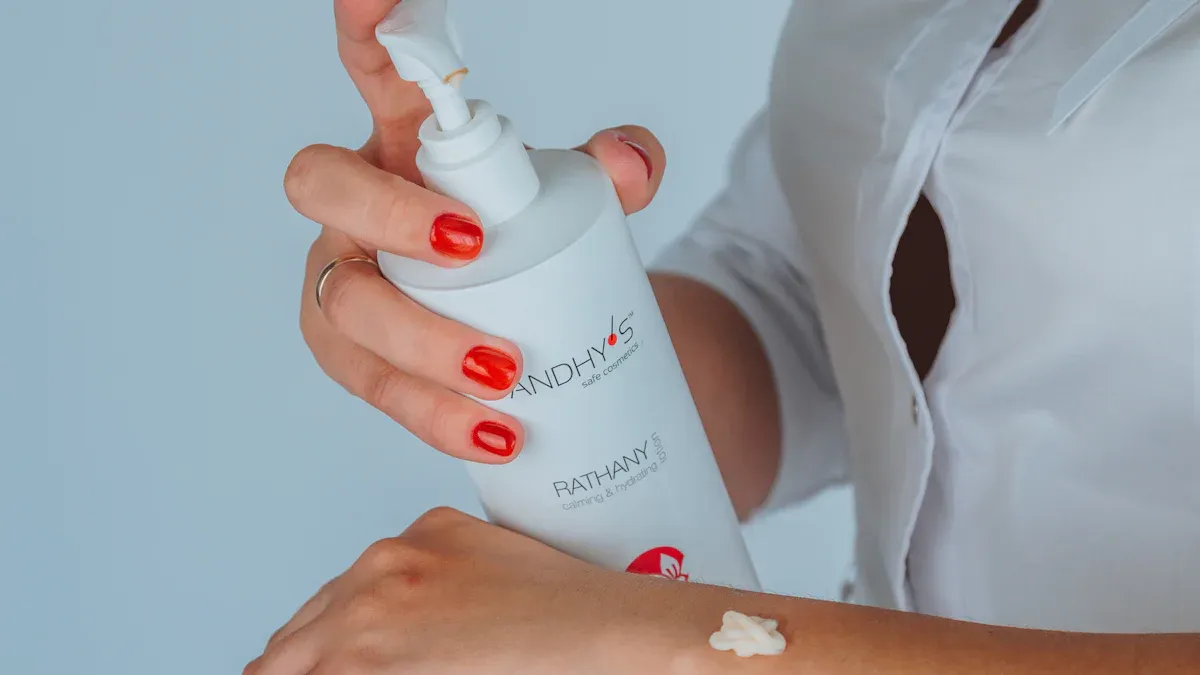
You can use spatulas or cosmetic spoons instead of your fingers. These tools create a barrier between your skin and the lotion. This simple step lowers the risk of bacteria and oils entering the jar. You protect your skin and keep your lotion pure.
Sterilizing your tools before use is important. Here are three methods you can try:
| Method | Description |
|---|---|
| Oven Method | Preheat oven to 250°F, arrange jars upside down, sterilize for at least 10 minutes, use immediately. |
| Dishwasher Method | Clean jars, place on top rack, select sanitizing cycle, use while still hot to maintain sterility. |
| Boiling Water Method | Submerge jars in boiling water for at least 10 minutes for effective sanitization. |
Safe Filling Practices
You need to follow safe filling practices to keep your lotion clean. Start by sanitizing all bottles and pump assemblies. Make sure everything dries completely. Prepare your lotion with the right consistency and temperature. Fill each jar carefully, leaving a small space at the top. Insert the pump tube straight to avoid bending. Tighten the cap by hand to create a secure seal. Prime the pump if needed, and check for leaks.
Tip: Always use clean tools and avoid touching the lotion with your hands. This habit keeps your skincare products safe and fresh.
Practical Steps to Prevent Contamination
You can keep your lotion safe by following a few simple habits every time you use your jar. These steps help you prevent contamination and protect your skin from harmful germs.
Wash Hands Before Use
Always wash your hands before you touch your lotion jar. Clean hands remove dirt, oils, and bacteria that can spoil your product. Use soap and warm water for at least 20 seconds. Dry your hands with a clean towel. This step is easy, but it makes a big difference.
Tip: Washing your hands before use is the first line of defense against germs entering your lotion jar.
Avoid Direct Contact
Try not to touch the lotion with your fingers. Your skin carries bacteria and oils that can get into the jar. Instead, use a clean spatula, cosmetic spoon, or measuring scoop. These tools help you take out the right amount of lotion without spreading germs.
Here are some ways to avoid direct contact:
- Use a spatula or scoop for every application.
- Clean your tools before and after each use.
- Do not share your lotion jar or tools with others.
A table below shows some recommended accessories and their benefits:
| Accessory | Benefit |
|---|---|
| Spatula | Limits hand contact, easy to clean |
| Cosmetic Spoon | Precise application, reusable |
| Measuring Scoop | Controls portion, reduces contamination |
Manufacturers also use automated filling processes to reduce human contact during production. This step helps prevent contamination before the lotion even reaches your home.
Store Properly
Proper storage keeps your lotion fresh and safe. Always close the lid tightly after each use. Store your jar in a cool, dry place away from sunlight. Sunlight and heat can break down ingredients and make it easier for bacteria to grow.
A table below summarizes the best storage practices:
| Aspect | Recommendation |
|---|---|
| Container Material | Use glass or BPA-free plastic jars for better protection |
| Closure Type | Choose screw caps or pumps to keep air and germs out |
| Storage Location | Keep in a cool, dry place away from direct sunlight |
| After Use | Wipe the rim and close the lid tightly |
Note: Airless packaging and secure closures create a strong barrier against germs and help prevent contamination.
You can also look for jars made from amber glass or Boston Round bottles. These materials block light and protect your lotion from damage. Always check your jar for cracks or leaks. Replace any damaged containers right away.
By following these practical steps, you make it much harder for germs to get into your lotion. You also help your product last longer and stay safe for your skin.
Ingredients and Preservatives
Effective Preservatives
You need to use preservatives in lotion jars to stop bacteria and mold from growing. Some preservatives work better than others. The table below shows three that keep lotions safe from germs:
| Preservative | Effectiveness in Preventing Microbial Growth |
|---|---|
| Leucidal Liquid SF | No bacterial or mold growth |
| NataPres | No bacterial or mold growth |
| Phytocide Aspen Bark | No bacterial or mold growth |
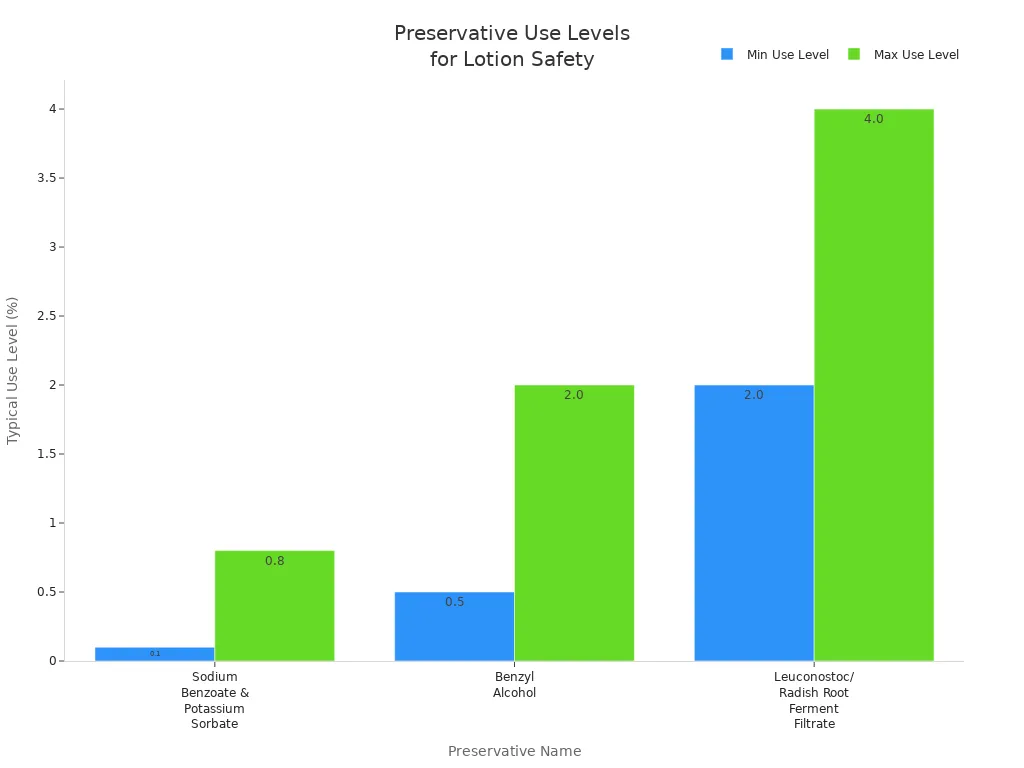
You also need to use the right amount of preservative. Too little will not protect your lotion. Too much can irritate your skin. Here is a table with common preservatives and their safe use levels:
| Preservative Name | Type | Pros | Cons / Challenges | Typical Use Level |
|---|---|---|---|---|
| Sodium Benzoate & Potassium Sorbate | Organic Acid Salts | Cost-effective, gentle, and widely available with a long history of safe use. | Highly pH-dependent; only effective in acidic formulas (typically pH < 6.0). | 0.1% – 0.8% |
| Benzyl Alcohol | Organic Alcohol | Provides broad-spectrum protection and is effective against bacteria and yeasts. | Can have a distinct almond-like scent and may be irritating to some individuals. | 0.5% – 2.0% |
| Leuconostoc/Radish Root Ferment Filtrate | Bio-Ferment | Provides broad-spectrum antimicrobial protection and has moisturizing properties. | Can be more expensive and may require specific formulation conditions to remain stable. | 2.0% – 4.0% |
Natural Antimicrobials
You might want to use natural ingredients to keep your lotion safe. Many essential oils and plant extracts help fight germs. Here are some popular choices:
- Essential Oils:
- Tea tree oil
- Rosemary oil
- Eucalyptus oil
- Thyme oil
- Lavender oil
- Peppermint oil
- Cinnamon oil
- Plant Extracts:
- Green tea leaves
- Marigold
- Cranberry fruit
- Cornflower
- Peptides: These act as natural preservatives and fight bacteria.
Natural antimicrobials can work well, but you need to use them under the right conditions. Their power depends on pH and how they mix with other ingredients. Synthetic preservatives usually give you more stable results, but some people prefer natural options for sensitive skin. You should always check how these ingredients interact in your lotion to keep it safe and effective.
Spotting and Handling Contamination
Signs of Contamination
You need to check your lotion jar often. Contamination can show up in many ways. Look for changes in color. If your lotion turns yellow, brown, or green, it may have bacteria or mold. Smell your lotion. A sour or musty odor means germs have started to grow. Watch for texture changes. If your lotion feels gritty, watery, or separates into layers, it is not safe to use. Mold spots or fuzzy growths are clear signs of contamination. Sometimes, you may see bubbles or foam that were not there before.
Here are some signs you should watch for:
- Unusual color changes
- Strange or sour smells
- Texture changes like separation or grittiness
- Visible mold or fuzzy spots
- Unexpected bubbles or foam
If you notice any of these signs, stop using the lotion right away.
What to Do If It Happens
You must act quickly if you find contamination. First, do not use the lotion. Wash your hands after touching the jar. Remove the jar from your skincare area to prevent spreading germs. Clean any tools or surfaces that touched the lotion.
You can follow these steps for safe disposal:
To safely dispose of contaminated lotion jars, it is recommended to check with local disposal centers to see if they accept cosmetics as household hazardous waste. If they do, this ensures proper disposal methods such as recycling or incineration. If not, you can wipe out the contents with a paper towel and recycle the jar if it’s plastic or glass. For jars that cannot be emptied, they should be thrown away in the trash.
A table below shows what you should do:
| Step | Action |
|---|---|
| Stop Use | Do not apply contaminated lotion |
| Clean Up | Wash hands and tools |
| Dispose Safely | Follow local disposal guidelines |
| Replace | Use a new, clean jar for your lotion |
You protect your skin and health by spotting contamination early and handling it the right way.
You can keep your lotion safe by choosing airtight jars, using clean tools, and closing lids tightly. These habits help your lotion last longer and stay fresh.
| Advantage | Explanation |
|---|---|
| Airtight Closure | Keeps lotion quality high by blocking air and germs. |
| Shelf Life Extension | Preserves active ingredients and reduces waste. |
Make these steps part of your daily routine for healthier skin.
FAQ
Can I use my fingers to scoop lotion from the jar?
You should use a spatula or spoon. Fingers can introduce bacteria and oils that contaminate your lotion.
How often should I clean my lotion jar?
You need to clean your jar before refilling. Wipe the rim after each use to keep germs away.
What is the best way to store my lotion jar?
| Storage Tip | Benefit |
|---|---|
| Cool, dry location | Prevents bacteria growth |
| Tight lid | Keeps lotion fresh |