


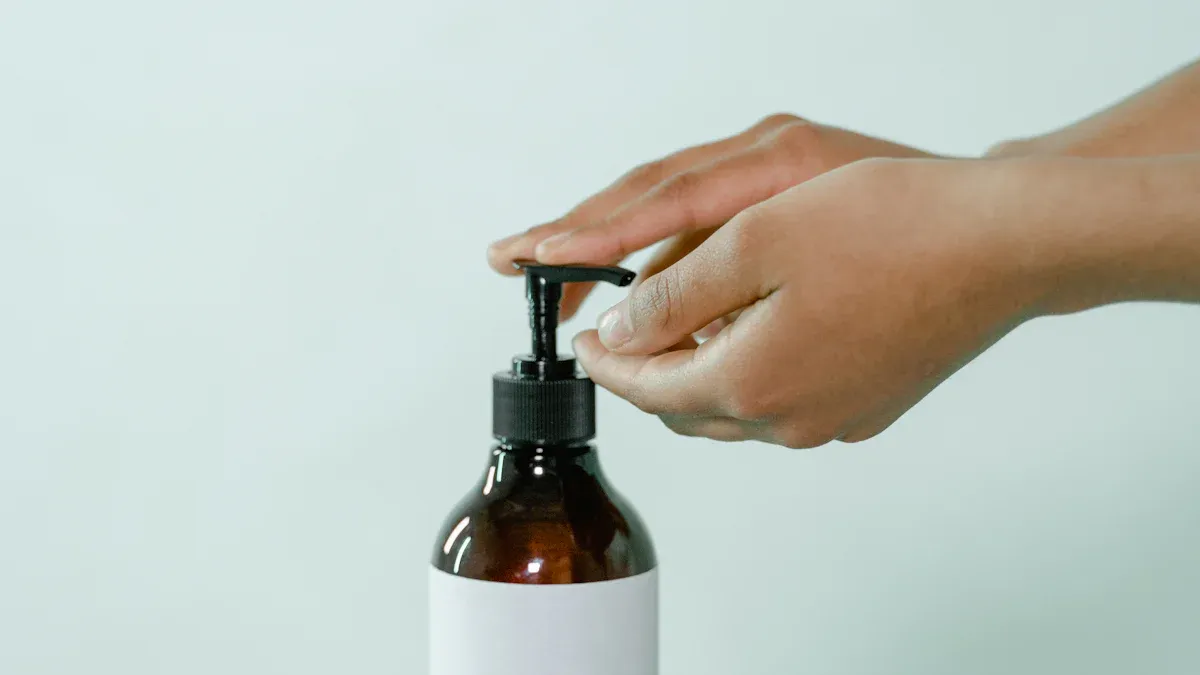
You may wonder if foamer pumps work well with thick formulas. The answer is no. These pumps are best for thin to medium liquids. Many people think thicker products clean better or have more active ingredients, but this is not always true. When you use thick formulas, you might face common problems:
- The pump parts may not match the product.
- The nozzle can clog and reduce foam quality.
- You need to clean the pump often to keep it working.
Key Takeaways
- Foamer pumps are best for thin or medium liquids. Thick formulas can block the pump and make bad foam.
- Adding water to thick products helps the pump work better. People often use 1 part soap and 3 parts water.
- Some foamer pumps are made for thick formulas. These pumps mix air and liquid well.
- It is important to clean the pump often. Wash it with warm water after you use it. This stops clogs and buildup.
- You can use other dispensers for thick formulas. Lotion pumps or trigger sprayers work better and clog less.
How foamer pumps work
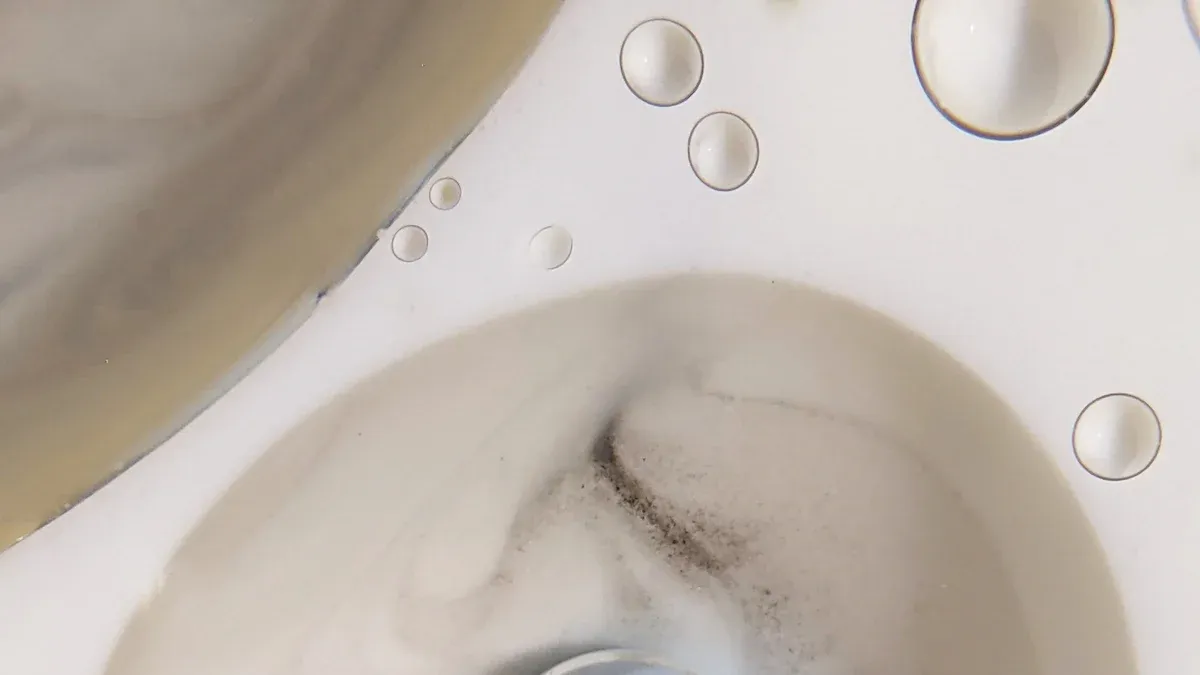
Pump mechanism
You use foamer pumps to turn liquid products into foam. The pump has several parts that work together. When you press the pump, it pulls the liquid up through a dip tube. The pump mixes the liquid with air inside a special chamber. This mixture creates foam that comes out of the nozzle.
Manufacturers design foamer pumps to handle liquids with certain properties. Most standard foamer pumps work best with liquids that have a viscosity range of 500–2,500 cP. If you try to use thicker gels that go above 3,000 cP, you need special equipment. The pump mechanism faces challenges when you use thick formulas:
- Thick liquids have trouble moving through the dip tube.
- The mixture of thick liquid and air does not always produce good foam.
- Residue from thick formulas can build up and block the pump.
Manufacturers sometimes use materials like polypropylene and polyethylene to prevent clogs and damage. They may also change the spring tension or make the dip tube larger to help the pump handle thicker liquids. Some companies suggest diluting thick products so they flow better and create foam. You might see custom formulas with surfactants and thickeners that keep the texture but still work with foamer pumps.
Role of liquid thickness
The thickness of your liquid affects how well foamer pumps work. If your product is too thick, the pump cannot pull it up easily. The air and liquid do not mix well, so you get poor foam or no foam at all. You may also notice that the pump clogs more often.
Here is a table that shows the technical limits of foamer pumps:
| Aspect | Detail |
|---|---|
| Viscosity of Liquid | Foam pumps require low-viscosity liquids. |
| Limitations | Not suitable for viscous liquids unless specially formulated. |
If you want to use thick formulas, you need to check if your pump can handle them. You may need to dilute your product or choose a pump made for thicker liquids. Always follow the manufacturer’s advice to avoid problems.
Challenges with thick formulas

Reduced foam quality
If you use thick formulas in foamer pumps, the foam may not look good. The liquid is thick, so it is hard for the pump to mix air and product. You get less foam, and the bubbles pop fast. Many things can change how good the foam is. Check the table below to see what matters most:
| Factor | Description |
|---|---|
| Pump Design | A well-designed pump ensures the correct air-liquid ratio is mixed, affecting foam consistency. |
| Liquid Formulation | The viscosity and surfactant concentration of the liquid influence bubble formation and stability. |
| Bottle Shape and Size | The dimensions of the bottle can impact air intake and mixing efficiency, affecting foam production. |
| Usage Conditions | How the bottle is used, including orientation and pumping speed, can disrupt the mixing process. |
If your formula is thick, the pump might not work well. The shape of the bottle and how you press the pump can also change the foam. You might see clumps or watery foam instead of thick lather. The amount of surfactant in your formula is important. If there is not enough, bubbles do not form or last long.
Pump clogging and failure
Thick formulas can make foamer pumps clog and stop working. You might see product build up in the nozzle or mixing chamber. This makes it hard for the pump to push out foam. Here are some reasons why clogging happens:
- Foam pumps clog easily when used with thick or viscous product formulas.
- Clogging happens when product builds up in the nozzle or mixing chamber.
- Bad pump design, poor materials, and the environment can also cause clogs.
If you keep using thick formulas, the pump can break. The table below shows common causes:
| Cause | Description |
|---|---|
| Air Contamination | Introduction of air into the hydraulic system can lead to noises, overheating, and eventual catastrophic failure. This often occurs through faulty seals or leaking joints. |
| Bent or Misaligned Rod | A bent or misaligned rod can cause seal failures, allowing contamination to enter the system, which can lead to further issues. |
| General Contamination | Contamination is a major cause of pump failure, and if not addressed, it can lead to severe damage. Preventative measures can save significant repair costs. |
| Normal Wear and Tear | Regular use leads to wear and tear on components like bearings and seals, which need timely replacement to avoid further damage and extend pump life. |
You can stop some problems by cleaning the pump often and checking for damage. If you see clogging or the pump stops working, you may need to use a thinner formula or a pump made for thick products.
Making thick formulas work with foamer pumps
Dilution methods
You can often adapt thick formulas for foamer pumps by diluting them. This process helps the pump work smoothly and creates better foam. Start by measuring your soap and water. A common method uses about 1 part soap to 3 parts water. Mix them gently until the solution looks even. This ratio works well for many household soaps and cleaners.
Here is a simple table to help you measure:
| Ratio | Soap Volume | Water Volume |
|---|---|---|
| 1 part soap | 1 cup (237 mL) | 3 cups (710 mL) |
| 1/4 cup (60 mL) | 3/4 cup (178 mL) |
If you use a foam cannon, try adding 3 ounces of soap to a 32-ounce bottle. For garden hose cannons, you may need 4 to 5 ounces. Always stir gently to avoid bubbles forming before you pump.
- Measure about 1 part soap to 3 parts water.
- Stir the mixture gently until it looks smooth.
- Adjust the ratio if you want thicker or thinner foam.
Specialized foamer pumps
Some foamer pumps are made to handle thick formulas. These pumps have special features that help them work better with viscous products. Many use a dual-chamber system. This system mixes air and liquid more efficiently, so you get good foam even with thicker solutions.
Key differences between standard and specialized pumps include:
- Specialized pumps use stronger materials and better seals.
- They often have a more reliable mechanism for thicker liquids.
- Some models let you adjust the foam output, from a fine mist to a thick lather.
Here is a table that compares different types of foam pumps:
| Foam Pump Type | Advantages | Limitations |
|---|---|---|
| Standard Foam Pump | Fits most bottles, easy to use, makes fine foam | May clog with thick formulas |
| Trigger Foam Pump | Comfortable grip, adjustable foam, durable | Bulkier, higher cost, may need more care |
If you use thick formulas often, consider switching to a specialized pump. These pumps last longer and give you better results.
Maintenance tips
Keeping your foamer pumps clean helps them last longer and work better. Thick formulas can cause buildup inside the pump. You should rinse the pump with warm water after each use. This step removes leftover product and prevents clogs.
- Rinse the pump with warm water regularly.
- Use diluted soap to reduce strain on the pump.
- If the pump feels stiff, soak it in warm water with a little dish soap.
If your foaming pump is not cleaned periodically (typically with each refill) this may occur.
Regular cleaning keeps the pump working smoothly. It also helps you avoid problems like clogging or pump failure. Make cleaning a habit, especially if you use thick or custom formulas.
Alternatives to foamer pumps
Other dispensing options
There are many ways to use thick formulas. Some products need special dispensers. Here are some choices you can try:
- Pill swallowing gels make taking tablets easier. You put the gel on the tablet. It helps you swallow without problems.
- Mouth sprays send a fine mist to your mouth and tongue. This helps you swallow tablets or capsules more smoothly.
- Pill coatings go right on the tablet. They make the tablet slippery. You still need water to help it go down.
Lotion pumps and trigger sprayers work well for thick liquids. These dispensers do not clog easily. Lotion pumps are good for creams and gels. Trigger sprayers are best for cleaning products and thick solutions.
Tip: Pick a dispenser that matches your product’s thickness. This stops clogs and makes your routine simple.
Here is a table showing how different dispensers affect the environment:
| Evidence Type | Description |
|---|---|
| Sustainability Advantage | Eco foam pumps use recycled plastics or plant-based materials. This cuts waste and helps the planet. |
| Performance Issue | Lotion pumps and trigger sprayers work better for thick formulas. They stop clogs and last longer. |
When to switch methods
You should change from foamer pumps if you have trouble with thick formulas. If your pump clogs or the foam is weak, try another dispenser. Lotion pumps and trigger sprayers give a steady flow with thick products.
Many people want packaging that is good for the planet, easy to use, and clean. You may pick eco-friendly dispensers made from recycled materials. Refillable bottles help cut waste. Brands that care about the planet get more customers.
If you want less mess and easy use, pick dispensers that fit your needs. Try different options to find the best one for your product.
You now know that foamer pumps work best with thin or medium liquids. Thick formulas can cause clogs and weak foam. Always check the viscosity of your product before choosing a pump. If you want better results with thick formulas, try using peristaltic or diaphragm pumps. These pumps help prevent air from getting trapped and keep your product flowing smoothly. Test different options to find what works best for your needs.
Use the foaming pump formula, mesh and performance test guide to specify output, foam behavior, cycle, leakage and compatibility.
FAQ
Can you use any soap in a foamer pump?
You should use liquid soaps with low to medium thickness. Thick soaps can clog the pump. Always check the label or ask the manufacturer before filling your foamer pump.
How do you fix a clogged foamer pump?
Tip: Rinse the pump with warm water. Pump several times to clear out any buildup. If it still does not work, soak the pump in warm water with a little dish soap.
What is the best ratio for diluting thick soap?
You can start with a 1:3 ratio—one part soap to three parts water. Adjust the mix if you want thicker or thinner foam.
| Soap | Water |
|---|---|
| 1 | 3 |
Why does my foamer pump stop working?
Your pump may stop if the formula is too thick or if there is buildup inside. Clean the pump often and use the right liquid thickness to keep it working well.