


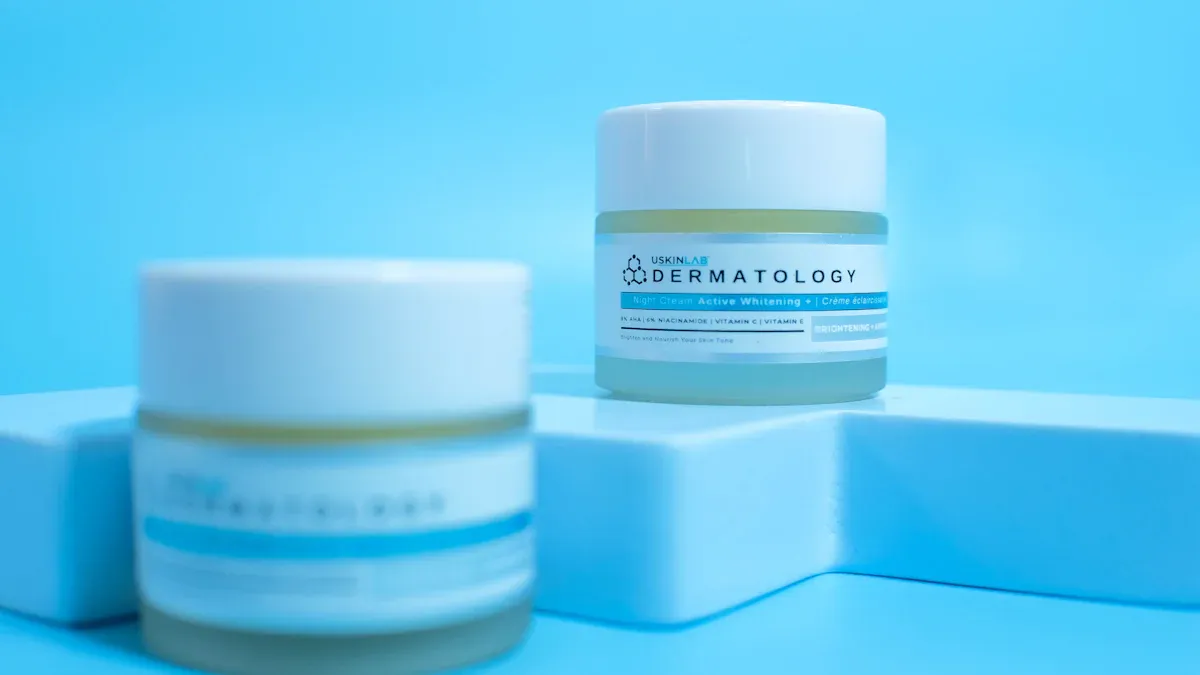
You want your creams to catch eyes and feel special in every customer’s hand. Choosing the right jar goes beyond looks—it shapes how people see your brand and trust your product. The material, texture, and even the sound when you close a cosmetic jar can make customers feel pampered and encourage them to buy again. Many shoppers care about both functionality and aesthetics, with almost 40% saying the packaging material shows off luxury. When you pick a custom cream jar, you also protect your formula, boost product appeal, and support your sustainability goals.
Key Takeaways
- Understand your cream’s texture and viscosity to choose the right jar. High-viscosity creams need wide-mouth jars for easy access.
- Test your packaging materials for compatibility with your cream formulas. This prevents leaks and maintains product quality.
- Select jar sizes that match your product’s purpose. Smaller jars work for eye creams, while larger jars suit body creams and masks.
- Consider sustainability in your packaging choices. Eco-friendly materials can enhance your brand’s image and attract conscious consumers.
- Customize your jars with unique shapes and colors to reinforce your brand identity. Memorable packaging can boost customer loyalty.
Define Product Needs for Custom Cream Jar
Choosing the right custom cream jar starts with understanding your product. You want your creams to deliver the best experience, so you need packaging that matches their texture, ingredients, and usage. Let’s break down what you should look for.
Cream Type & Viscosity
Creams come in many forms. Some feel thick and rich, while others glide on light and smooth. Viscosity tells you how dense or runny your cream is. High-viscosity cream packaging works best for products like hair masks and gels. These creams need jars that make scooping easy and keep the formula fresh.
Here’s a quick look at common cream types and their viscosity ranges:
| Cream Type | Viscosity Range |
|---|---|
| Creams, Hair Masks, Gels | High (20,000 – 100,000+ cP) |
If you use high viscosity cream packaging, you want a wide-mouth cosmetic jar. This makes it simple for customers to access every bit of product. You can also add inner lids or spatulas to boost hygiene and keep your creams clean.
Tip: Wide-mouth jars help users scoop thick creams without mess. Spatulas add a touch of luxury and keep things sanitary.
Formula Compatibility
Your cream’s formula matters just as much as its texture. Some ingredients react with certain jar materials. If you use essential oils or high pH formulas, you need to test your packaging to avoid leaks or changes in quality. Glass containers work well for most creams, but some formulas need special care.
Check out this table to see how different materials interact with cosmetic formulas:
| Material Type | Common Incompatibilities | Testing Timeline | Success Rate |
|---|---|---|---|
| PET bottles | Essential oils, high pH formulas | 4-6 weeks | 85% |
| Aluminum tubes | Water-based acids, vitamin C | 6-8 weeks | 70% |
| Glass containers | Alkaline formulas, surfactants | 3-4 weeks | 95% |
| PP jars | Oil-based actives, fragrances | 4-6 weeks | 80% |

You want to test your cosmetic packaging for viscous products before launching. This protects your creams and keeps your brand’s reputation strong. Testing also helps you spot any issues early, so you can fix them before customers notice.
Jar Size & Dispensing
Jar size affects how customers use your creams and how long they last. You have several packaging options for viscous products. Mini jars (15ml to 30ml) work well for samples or travel. Standard jars (50ml) fit daily routines. Larger jars (100ml to 200ml) suit luxury creams and body masks.
You want to match jar size to your product’s purpose. Smaller jars are perfect for eye creams, where only a dab is needed. Larger jars make sense for body creams, letting users scoop generous amounts. The seal on your jar matters, too. A tight seal keeps air out and extends shelf life.
- Smaller jars are ideal for high-potency products like eye creams, where only a small amount is needed.
- Larger jars are suitable for body creams or masks that are used in larger quantities, allowing for easy access.
- The integrity of the jar’s seal is crucial for extending shelf life by preventing air entry and contamination.
When you choose a custom cream jar, you want to balance functionality and aesthetics. You want packaging that feels good in the hand, looks appealing, and keeps your creams safe. You also want to consider sustainability, picking materials that support your brand’s values and help the planet.
Note: The right jar size and seal protect your product’s quality and performance. Customers notice when packaging design makes their routine easier.
Matching your jar features to your creams ensures optimal performance. You create a cosmetic jar that stands out, delivers a great experience, and supports your brand’s goals.
Compare Cosmetic Jar Materials & Types
Plastic vs. Glass Jars
When you pick a cosmetic jar, you face a big choice: plastic or glass. Each material brings its own benefits and challenges. Let’s break it down so you can make the best decision for your custom cream jar.
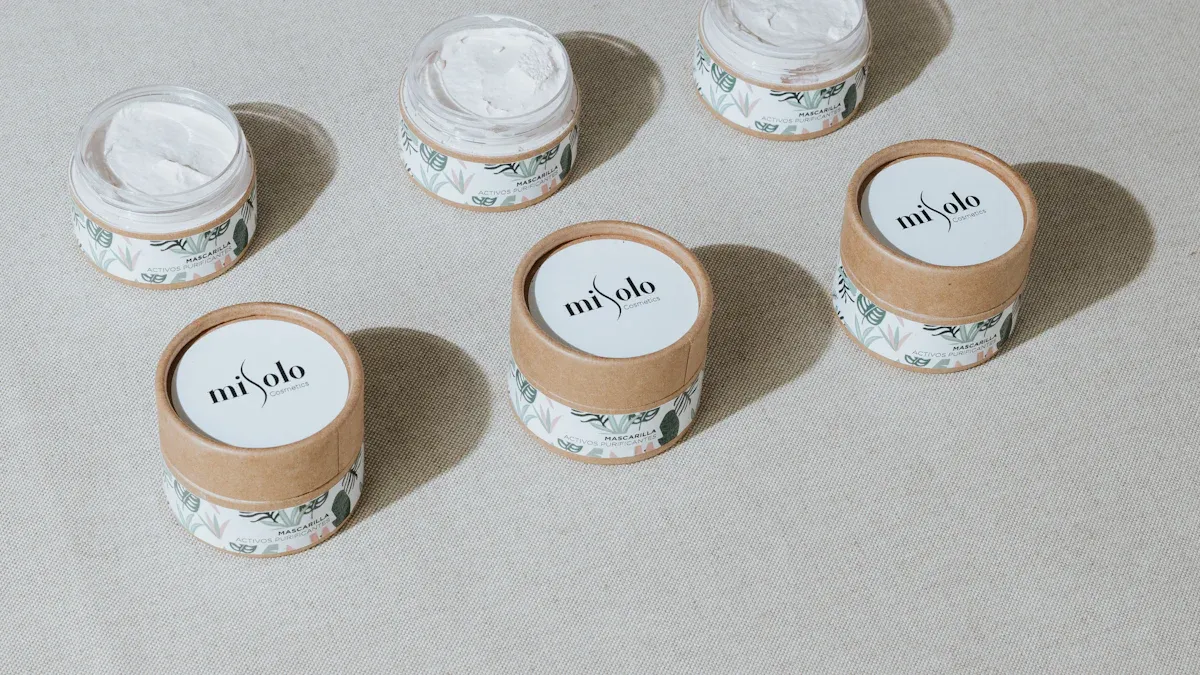
- Glass jars connect with luxury, quality, and sustainability. Many brands use glass for premium creams because it feels heavy and looks elegant. Glass is infinitely recyclable, which supports a circular economy and helps your brand’s eco-friendly goals.
- Plastic jars are practical and convenient. They weigh less and don’t break easily, making them great for travel or everyday use. However, plastic doesn’t carry the same premium perception as glass. It also has lower recycling rates and is often linked to pollution.
Consumer preferences change depending on age and market. Younger buyers, like Millennials and Gen Z, love glass jars for their sustainability and style. Older shoppers, such as Baby Boomers, stick with glass for its durability and practicality. Health-conscious customers also prefer glass because it doesn’t react with creams, keeping formulas safe.
If you want your packaging to stand out, think about how your target audience views each material. Glass jars can elevate your brand and make your creams feel special. Plastic jars offer convenience and cost savings, but you may need to work harder on design to boost their appeal.
Tip: Glass jars signal luxury and sustainability. Plastic jars deliver practicality and ease of use.
Airless vs. Standard Packaging
You want your creams to stay fresh and effective. The type of jar you choose affects product longevity and user experience. Airless packaging and standard jars each have unique strengths.
Here’s a quick comparison:
| Advantage | Airless Packaging | Standard Jars |
|---|---|---|
| Air Exposure | Prevents ingress of external air | Relies on proper sealing |
| Product Stability | Ensures product stability | Can discolor or deteriorate |
| Shelf Life | Prolongs shelf life | Limited by air exposure |
| Active Ingredient Preservation | Maintains integrity of active ingredients | May lose effectiveness over time |
Airless technology keeps air out of the jar, protecting your creams from oxidation. This is important for formulas with sensitive ingredients like Vitamin C or retinol. Airless packaging also shields your product from light and moisture, which can harm performance. You get superior protection against contamination and preserve active ingredients longer.
- Airless jars prevent air from entering, maintaining product integrity.
- They prolong shelf life and keep active ingredients potent.
- These jars are ideal for high-viscosity cream packaging and formulas with sensitive actives.
Standard jars rely on a tight seal to keep creams safe. If the seal fails, air can enter and cause the product to break down. You may see changes in color, texture, or effectiveness. Standard jars work well for thicker creams and products used quickly, but they don’t offer the same level of protection as airless packaging.
Note: Airless packaging boosts hygiene and performance. Standard jars are best for sturdy formulas and frequent use.
Material Safety & Regulations
Safety and regulations matter when you select packaging for your creams. You want to protect your customers and meet legal requirements in every market.
| Requirement | Description |
|---|---|
| Country of Origin | Imported products must specify the country of origin. |
| Nominal Content | Must indicate the nominal content by weight or volume, except for small packages. |
| Date of Minimum Durability | Required for products lasting less than 30 months, indicated with a specific symbol. |
| Precautions for Use | Must include specific precautions as listed in relevant annexes. |
| Batch Number | A batch number or reference for product identification is required. |
| Function of Product | The function must be stated unless obvious from presentation. |
| Ingredient List | A full list of ingredients must be provided, using standardized names. |
| Additional Information | If impractical to place on packaging, information can be included in an enclosed leaflet. |
Material safety standards, like ISO 22715, require compatibility testing. You need to make sure your cosmetic jar doesn’t react with your creams. This keeps your product quality high and protects your customers. Suppliers who meet these standards help you avoid problems and build trust.
Tip: Always check that your packaging meets safety and regulatory requirements. This protects your brand and ensures a smooth launch.
Choosing the right jar material and type shapes your product’s functionality, quality, and customer experience. You want packaging that supports your formula, boosts hygiene, and matches your brand’s values. The right choice can elevate your creams and set your custom cream jar apart in the market.
Packaging Features & Differentiation
Opening Size & Capacity
You want your creams to feel easy and enjoyable to use. The opening size of your jar makes a big difference. A wide opening lets you scoop out thick creams without a struggle. It also helps you reach every last bit, so nothing goes to waste. When you pick the right opening, you make the experience better for your customers and reduce mess.
A well-designed jar does more than look good. It helps you keep your creams clean and fresh. The opening size affects how much air gets in, which can change the quality and hygiene of your product. If you want to boost brand loyalty, focus on packaging design that feels smooth and simple.
Jar capacity matters, too. People like jars that fit their routines. Some want small jars for travel or samples. Others want bigger jars for daily use. Studies show that matching jar size to what people actually like—not just what they say is “just right”—can improve satisfaction and change how fast they use your creams.
Hygiene & Airtight Seals
Hygiene features are key for any cosmetic packaging. You want to keep your creams safe from germs and air. Airtight seals stop oxidation, which can ruin active ingredients and change the color or feel of your creams. These seals also block bacteria, which is extra important if you use natural formulas without preservatives.
Airless pump packaging takes things further. It keeps air out completely, so your creams stay fresh and last longer. This kind of packaging protects both the performance and quality of your product. Customers notice when their creams stay smooth and effective.
Sustainable & Recycled Options
Sustainability considerations are shaping the future of cosmetic packaging. Nearly 80% of beauty brands plan to use sustainable or recycled packaging by 2025. More than half of U.S. shoppers now choose products with eco-friendly packaging. The market for sustainable packaging is growing fast, and refillable jars are becoming a favorite. In fact, sales of refillable beauty packaging jumped by 364% in early 2022.
If you want your brand to stand out, pick materials that support both aesthetics and sustainability. Recycled glass, bioplastics, and refillable jars show you care about the planet. These choices can set your packaging apart and attract customers who value eco-friendly options.
Tip: Unique finishes, smart design, and green materials help your packaging shine on the shelf and support your brand’s values.
Choosing the right features for your jar boosts both functionality and performance. You give your customers a better experience and show that you care about quality, hygiene, and the environment.
Brand Identity & Customization
Unique Shapes, Colors, & Finishes
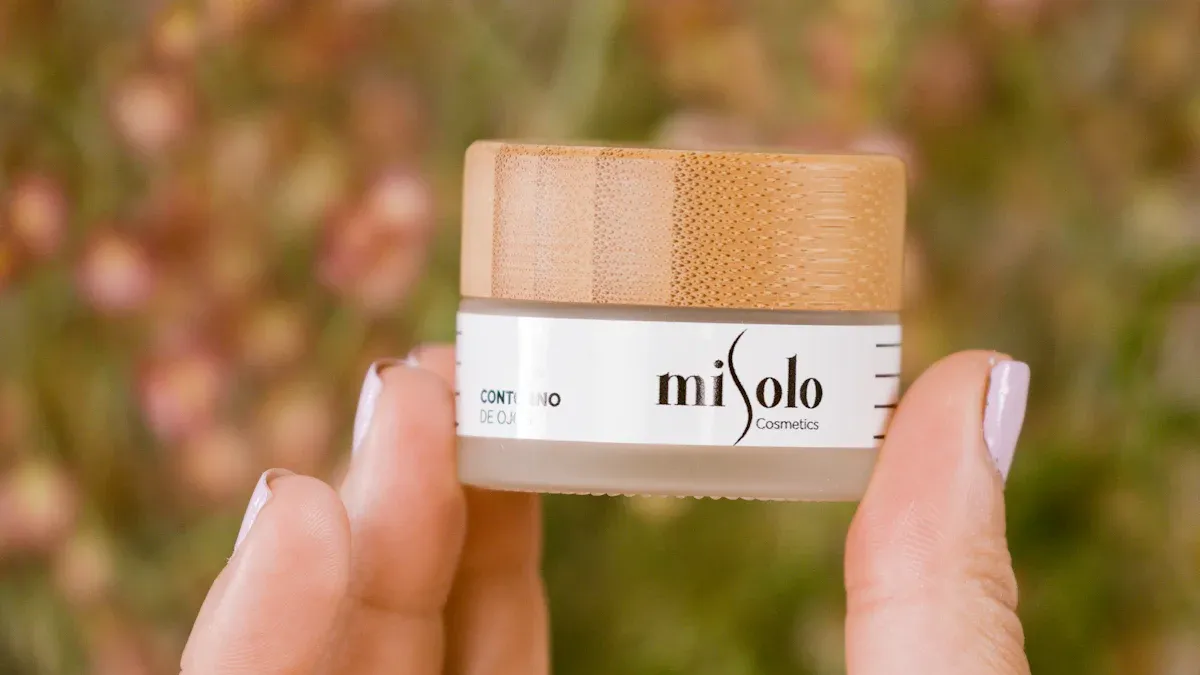
You want your creams to stand out. Customization lets you choose shapes, colors, and finishes that match your skincare brand. Many leading brands use frosted white, amber brown, matte black, and soft pastels for their jars. These colors create a clean, modern look or a gentle, calming vibe. Unique shapes, like round or square jars, grab attention and help your creams shine on the shelf. Take a look at popular options:
| Color/Finish | Description | Usage Context |
|---|---|---|
| Frosted white | Clean, modern look | Serums, creams, skincare products |
| Amber brown | UV protection | Serums, lip balms, essential oils |
| Matte black | Sleek, upscale style | High-end creams |
| Soft pastels | Gentle tones | Natural skincare products |
| Unique shapes | Custom shapes enhance visibility | Various creams |
You can use these features to reinforce your brand’s identity and appeal to your target audience. Customization helps you balance functionality and aesthetics, making your cosmetic packaging solution memorable.
Aligning Jar Design with Brand Values
Your jar should tell your brand’s story. When you align jar design with your values, you build trust and create lasting impressions. Brands like Odacité and Herbivore Botanicals use transparent jars to highlight sustainability. True Botanicals and Follain focus on authenticity and purity with clear packaging. The Ordinary connects with customers by showcasing product integrity. Consumers notice when packaging reflects values like sustainability, hygiene, and quality. Packaging acts as your brand’s ambassador, creating emotional connections and influencing behavior.
- Packaging serves as the first physical interaction with your brand.
- It communicates your story and ethos through design.
- Well-designed jars influence preferences and build loyalty.
Custom Branding Options
You have many customization choices for your custom cream jar. Printing methods include digital, screen, and offset printing. You can add matte or gloss coatings, lamination, spot UV, gold or silver foiling, and embossing. Custom stickers, QR codes, spatulas, and removable inner caps give your creams a unique touch. These features boost consumer recall and brand loyalty. Personalized packaging increases perceived quality and makes your creams more memorable.
| Evidence Description | Impact on Consumer Recall and Brand Loyalty |
|---|---|
| Custom designs engage senses | Emotional connections influence purchase decisions |
| Personalized packaging | Enhances perceived quality and loyalty |
| Consistent visuals | Strengthens brand recognition and trust |
Custom branding options help you create a private label skincare line that stands out. You can choose jar options for thick cream packaging that support both performance and aesthetics. When you focus on customization, you improve the experience for your customers and reinforce aesthetic and brand alignment.
Testing & Supplier Collaboration
Sample Testing & Compatibility
You want your creams to stay safe and effective. Testing your packaging before launch helps you avoid surprises. Start by asking your supplier for samples of the exact jar and lid you plan to use. Fill these jars with your real cream formula. Store them in different places—room temperature, warmer spots, and even under UV light. Check the samples often. Look for changes in color, scent, or texture. Watch for any signs of jar breakdown. This process helps you spot problems early and keeps your creams fresh. You also protect hygiene by making sure the packaging does not react with your formula.
Here’s a simple way to test:
- Request samples from your supplier.
- Fill the jars with your creams.
- Store them at room temperature, higher temperatures, and under UV light.
- Observe for changes in color, scent, consistency, and jar quality.
Tip: Careful testing protects your creams and supports hygiene. You build trust with your customers when your products stay safe.
Supplier Support & Flexibility
Working with the right supplier makes your job easier. You want a partner who listens and helps you grow. Some suppliers only handle one-time orders. Others support long-term planning and help you scale. Ask about their production capacity. Make sure they can handle your current needs and future growth. Check their delivery history, especially during busy seasons. See if they offer design help for complex packaging. Ask about their quality control process. You want your creams to look and feel the same every time.
| Evaluation Criteria | Description |
|---|---|
| Vendor versus partner approach | Does the supplier support long-term planning or just one-off orders? |
| Production capacity | Can they handle your current volume and future growth? |
| Lead time stability | How reliable are their deliveries during peak seasons? |
| Design collaboration | Do they offer engineering support for unique jar designs? |
| Quality control process | How do they maintain print and structural standards for hygiene and consistency? |
Note: Flexible suppliers help you customize your jar and keep your creams safe. Good support means better hygiene and quality for your brand.
You want your cream jar to fit your product, look great, and show off your brand. Here’s what matters most:
- Cost-effectiveness keeps your budget in check.
- Customization makes your brand stand out.
- Material quality and design attract customers.
- Functionality ensures your cream stays safe and easy to use.
- Regulatory compliance protects your reputation.
Luxury packaging creates excitement and makes your product feel special. Thoughtful choices boost both performance and brand trust. When you work closely with suppliers, you get the best results.
FAQ
What size cream jar should I choose for my product?
You want to match jar size to your product’s use. Small jars (15–30ml) work for samples or eye creams. Medium jars (50ml) fit daily face creams. Large jars (100–200ml) suit body creams or masks.
How do I know if my cream is compatible with the jar material?
Ask your supplier for samples. Fill them with your cream. Store them in different conditions. Watch for changes in color, scent, or texture. If you see problems, try another material.
Can I make my cream jar eco-friendly?
Yes! You can pick recycled glass, bioplastics, or refillable jars. Many brands use these options to reduce waste and attract eco-conscious shoppers.
Tip: Eco-friendly packaging can boost your brand’s image and help the planet.
What custom features can I add to my cream jar?
You can add:
- Unique shapes or colors
- Matte or glossy finishes
- Embossed logos
- Custom labels or QR codes
These features help your jar stand out and match your brand’s style.
How do I find a reliable cream jar supplier?
| Step | What to Do |
|---|---|
| Research | Check reviews and portfolios |
| Request Samples | Test jars with your formula |
| Ask Questions | Discuss MOQs and customization |
| Compare Support | Choose a supplier who helps you |