


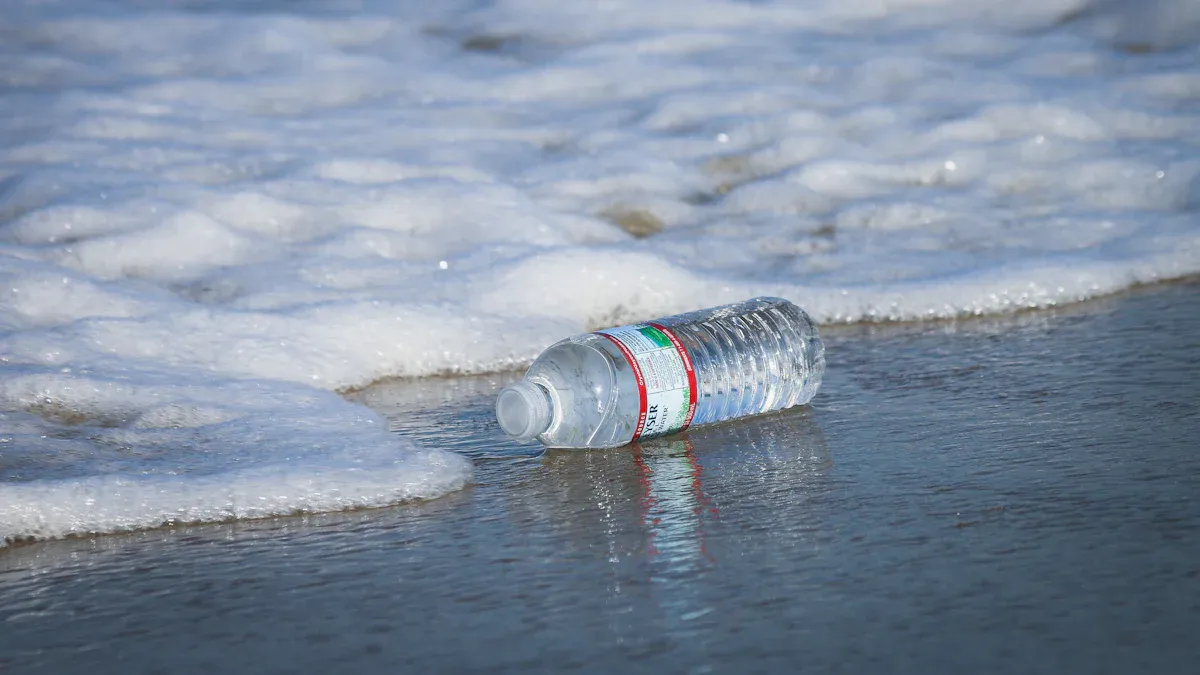
Ocean plastic bottles used for cosmetics are not biodegradable. When you see these bottles in the ocean, know that they do not break down naturally. They stay in the environment for many years, causing harm to marine life and adding to pollution. Recycling helps reduce waste, but it does not solve the problem fully. New biodegradable alternatives offer hope for a cleaner future.
Key Takeaways
- Ocean plastic cosmetic bottles are not biodegradable and can take hundreds of years to decompose.
- Recycling helps reduce plastic waste but does not fully solve the problem of ocean pollution.
- Choosing products with biodegradable materials like bamboo or seaweed can support a cleaner environment.
- Opt for refillable cosmetics to minimize waste and support sustainable practices.
- Your purchasing choices can drive change in the cosmetic industry towards more eco-friendly packaging.
Ocean plastic bottles in cosmetics
What is ocean plastic?
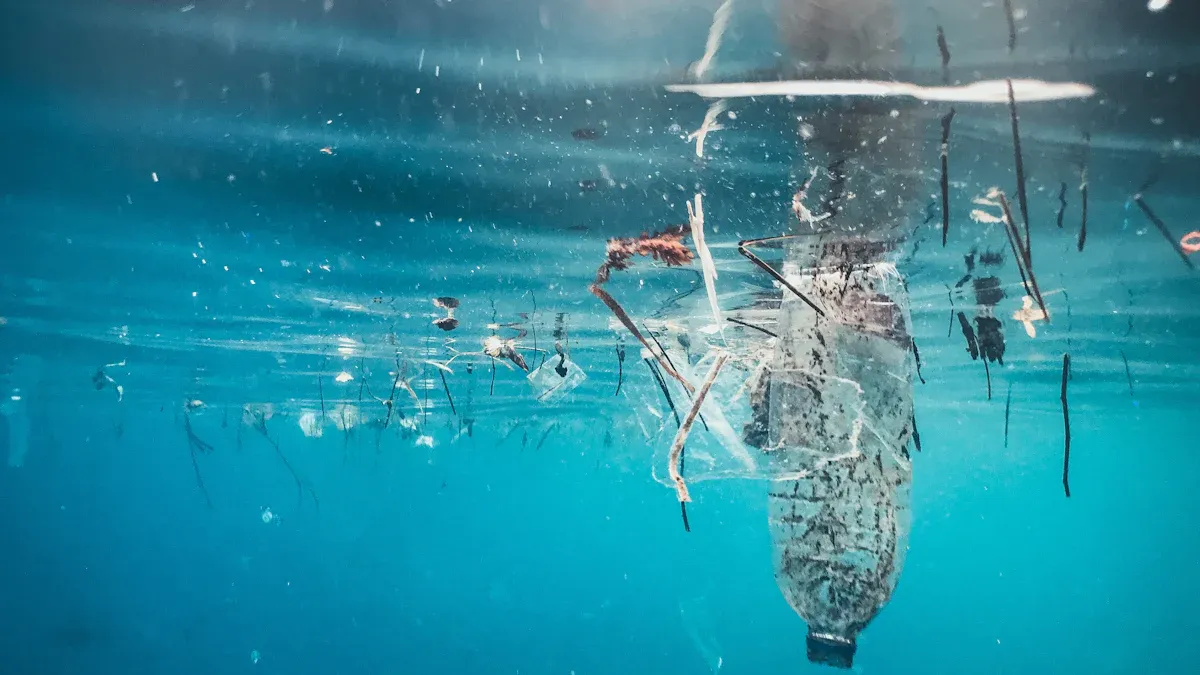
You might hear the term “ocean plastic” when shopping for cosmetics. Ocean plastic comes from plastic waste collected from shorelines and waterways. Workers sort this plastic by type, wash it, and shred it. They turn the shredded plastic into pellets. Manufacturers use these pellets to make new packaging, including ocean plastic bottles. Most of the plastic used in these bottles is not taken directly from the ocean. Instead, it is collected from areas close to coastlines, often within 50 kilometers. This process helps remove plastic waste before it reaches the ocean.
Why use ocean plastic bottles?
Cosmetic brands choose ocean plastic bottles for several reasons. These bottles help reduce plastic waste and support recycling efforts. You see brands like The Body Shop and Lush using up to 100% recycled plastic in their skincare packaging. Using ocean plastic bottles gives companies a chance to upcycle waste and contribute to a circular economy.
Here is a table showing the environmental benefits and drawbacks:
| Environmental Benefits | Environmental Drawbacks |
|---|---|
| Upcycling potential | Challenges in recycling and processing plastics |
| Reduces plastic waste in oceans | Potential contamination concerns |
| Supports circular economy | Economic feasibility issues |
You may notice brands sharing information about their packaging materials and recyclability. This transparency helps you make choices that match your values. Many brands use minimalist packaging, lighter materials, and refillable systems to lower their environmental footprint.
Cosmetic companies face challenges when using ocean plastic bottles. High costs, logistical issues, and concerns about durability make the process difficult. Still, many brands continue to invest in sustainable packaging because consumers like you prefer eco-friendly options.
Biodegradability of ocean plastic bottles
What does biodegradable mean?
You may hear the word “biodegradable” when people talk about eco-friendly products. Biodegradable means a material can break down into natural elements like carbon dioxide, water, and biomass. Microorganisms such as bacteria and fungi help with this process. The breakdown happens in environments like compost piles, where conditions are just right. Not every material is biodegradable, and some plastics take hundreds of years to disappear.
Here is a table that shows the scientific criteria for biodegradability:
| Criteria | Description |
|---|---|
| Conversion | Must convert to CO2, water, and biomass through microbial assimilation. |
| Carbon Conversion Rate | At least 90% of carbon in the polymer must convert to CO2. |
| Rate of Biodegradation | Must biodegrade at the same rate as natural materials like leaves and food scraps. |
| Time Frame | Must biodegrade within 180 days, extendable to 365 days under certain conditions. |
| Disintegration | Less than 10% of the material should remain after passing through a 2 mm sieve. |
| Safety | The compost produced should not negatively impact plant growth and must meet regulated heavy metal thresholds. |
Scientists measure biodegradation by checking how much carbon dioxide forms during the breakdown. They use compost environments with lots of microbes to test this. These tests help set standards for what counts as biodegradable.
Biodegradability facts
You might think ocean plastic bottles break down quickly, but that is not true. Most cosmetic bottles use PET plastic. This type of plastic stays in the ocean for a very long time. Here are some facts:
- PET plastic takes about 450 years to decompose in marine environments.
- Ocean plastic bottles do not meet the criteria for biodegradability.
- Microbes in the ocean cannot break down these bottles fast enough.
- Sunlight and waves only break bottles into smaller pieces, not into safe natural elements.
You see that ocean plastic bottles remain in the water and on beaches for generations. They harm animals and pollute the environment. Recycling helps, but it does not make these bottles biodegradable.
Common misconceptions
Many people believe ocean plastic bottles are biodegradable or that biodegradable plastics solve the problem. You need to know the truth. Here are some common misconceptions:
- Biodegradable plastics are often misunderstood as a solution to ocean waste.
- These plastics do not break down effectively in ocean conditions.
- Many biodegradable plastics need high temperatures to decompose, which the ocean does not provide.
- Plastics in the ocean sink and do not get enough sunlight, so they do not break down as expected.
You can see that biodegradable plastics do not work well in the ocean. Ocean plastic bottles stay in the environment for a long time. You should look for better solutions, like recycling and using sustainable materials.
Recycling and environmental impact
Recycling process for ocean plastic bottles
You see a unique recycling process for ocean plastic bottles used in cosmetics. Fishermen collect plastic waste from the ocean and bring it to recycling stations on shore. Workers sort the plastic and compress it into blocks. These blocks travel to pelletizing factories, where machines turn them into plastic pellets. Manufacturers use these pellets to create new packaging. This process helps reduce pollution in the ocean and provides income for fishermen.
Environmental consequences
Improper disposal of cosmetic bottles leads to serious environmental problems. You notice pollution in oceans and waterways. Sea creatures mistake plastic for food, which causes injuries and sometimes death. Plastics break down into tiny pieces, called microplastics and nanoplastics. These particles affect air, water, and soil. Animals suffer from ingestion, entanglement, and reproductive issues. Land-based sources, such as single-use products and microplastics, also contribute to ocean contamination.
Here is a table showing the effectiveness of recycling:
| Evidence Type | Statistic | Implication |
|---|---|---|
| Recycling Rate | Only 9% of all plastic waste has been recycled | Most plastic waste is not managed effectively |
| Global Plastic Packaging | 14% collected for recycling, 8% downcycled, 4% lost, 2% effectively recycled | Recycling processes have limited impact on pollution |
Limitations of recycling
You face several challenges with recycling systems for cosmetic packaging. Economic and ethical concerns arise when collectors focus only on coastal areas, leaving inland waste unmanaged. The quality of recycled materials drops because cosmetic packaging often uses hard-to-clean designs and mixed plastics. Many brands rely on ocean-bound plastic instead of directly recycled ocean plastic. The complexity of recycling processes makes it hard to recycle efficiently.
Tip: You can help by choosing products with simple packaging and supporting brands that use recycled materials.
Sustainable alternatives
Biodegradable materials for cosmetics
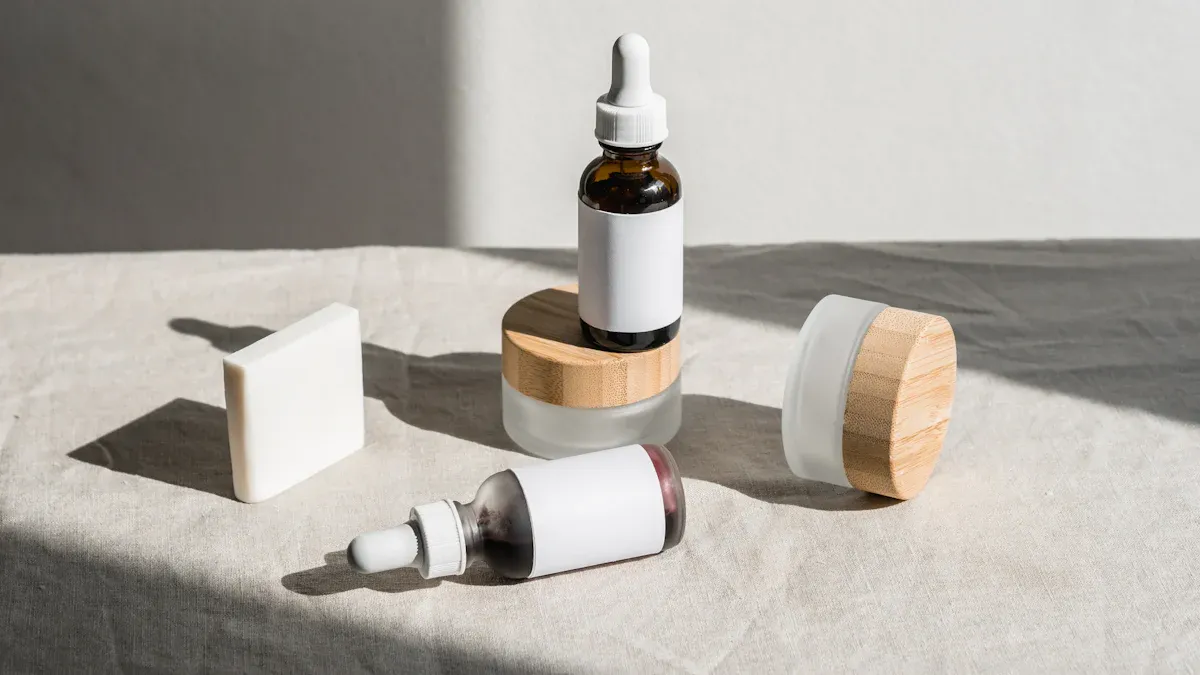
You have many options when you look for biodegradable cosmetic packaging. These materials break down naturally and return to the environment without causing harm. Some of the most common biodegradable materials include:
- Bamboo: Grows quickly and breaks down easily. You can compost it at home.
- Seaweed: Turns into films or coatings. It is fully biodegradable and compostable.
- Beeswax: Comes from nature and works well as a coating.
- Cornstarch: Plant-based and compostable.
Bioplastics also offer a sustainable choice. Manufacturers make them from renewable sources like cornstarch, sugarcane, and vegetable oils. These materials help reduce your reliance on traditional plastics.
Innovative packaging solutions
Cosmetic brands now use creative ways to cut down on plastic waste. You can find products in:
- Refillable systems: Buy a container once and refill it many times. Brands like L’Oréal and The Body Shop use this method.
- Dissolvable packaging: Some packages dissolve in water, leaving no waste behind.
- Recycled plastics: Companies use plastics collected from consumers to make new bottles.
- Glass and aluminum: These materials are easy to recycle and use again.
- Agricultural by-products: Packaging made from husks or stems reduces waste.
Some brands even use soap as packaging, like SOAPBOTTLE, which you can use up completely. Mono-material packaging, such as single-type plastics, makes recycling easier. Lightweight packaging uses less material and lowers emissions during transport.
Making eco-conscious choices
You can help the planet by choosing eco-friendly packaging. Look for these features:
- Recycled, biodegradable, or compostable materials
- Refillable or reusable containers
- Minimalist designs with fewer parts
- Waterless or solid products that do not need bottles
- Ethically sourced and sustainable materials
🌱 When you pick sustainable packaging, you support a cleaner future. The market for eco-friendly cosmetic packaging keeps growing. By 2025, most cosmetic packaging will be recyclable or reusable. Your choices matter and help drive change in the industry.
Ocean plastic cosmetic bottles do not biodegrade. You can help protect the planet by making smart choices. Many brands, like LUSH, now use 100% recycled materials to keep waste out of the ocean. Biodegradable plastics may break down slowly and leave microplastics behind. Try these steps for a greener routine:
- Pick products in glass, bamboo, or seaweed packaging.
- Choose refillable cosmetics to cut down on waste.
- Support brands that remove plastic from the environment.
Your choices matter for a cleaner future.
FAQ
Are ocean plastic cosmetic bottles biodegradable?
You cannot expect ocean plastic cosmetic bottles to biodegrade. These bottles use PET plastic, which stays in the environment for hundreds of years. Microbes cannot break them down quickly.
How can you recycle ocean plastic cosmetic bottles?
You can recycle these bottles by placing them in your local recycling bin. Make sure you clean them first. Recycling centers sort, wash, and process the bottles into pellets for new products.
What happens if you throw cosmetic bottles in the trash?
If you throw bottles in the trash, they often end up in landfills or oceans. They do not break down easily. Animals may mistake them for food, which causes harm.
Are biodegradable cosmetic bottles better for the environment?
Biodegradable bottles break down faster and return to nature. You help reduce pollution when you choose biodegradable packaging. Always check if the material is truly biodegradable.
Which materials should you look for in eco-friendly cosmetic packaging?
You should look for glass, bamboo, seaweed, or recycled plastics. These materials cause less harm and support sustainability. Refillable containers also help you cut down on waste.