


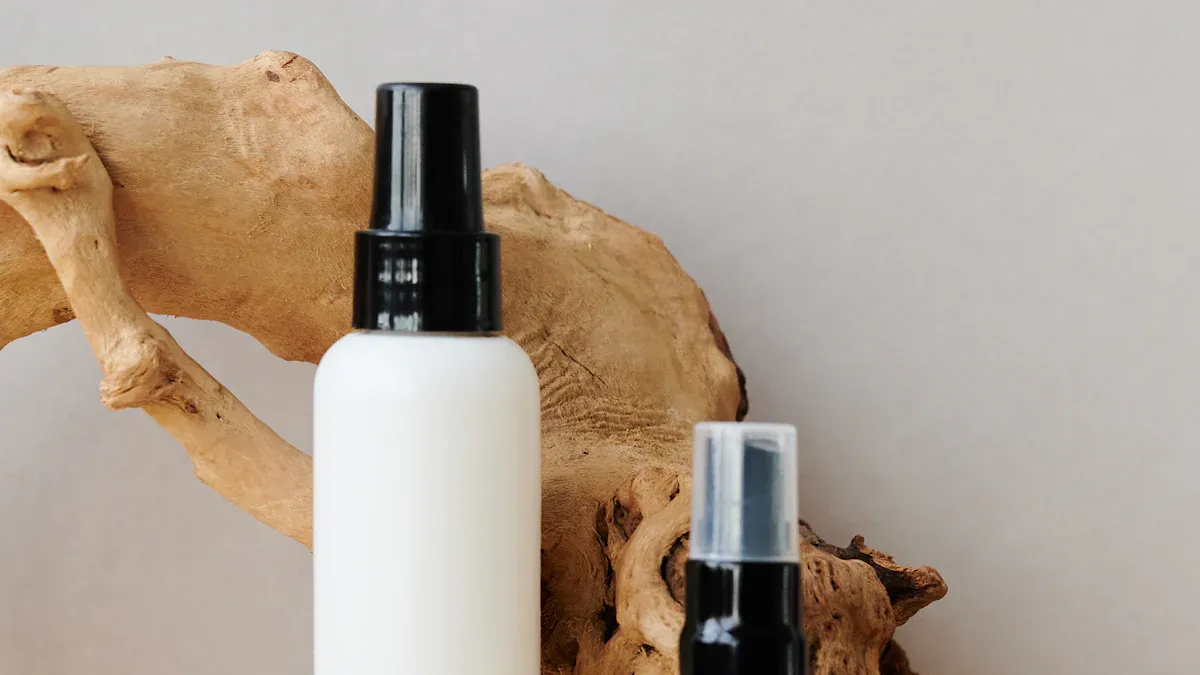
You want your cosmetic packaging to look nice and last long. It should also protect your cosmetics. When you compare PET vs. PETG for containers, both have strong benefits. PET plastic gives you clear and shiny packaging, while PETG plastic is tougher and allows for more design options. Durability, design flexibility, and aesthetics are important for packaging. Brands choose between PET vs. PETG based on how each material prevents breakage. They also consider how each supports unique shapes and maintains an elegant appearance.
| Factor | Description | Importance for Brands |
|---|---|---|
| Durability | Helps stop breakage from drops and withstand multiple uses | Lowers returns and increases user satisfaction |
| Design Flexibility | Allows for creative shapes and curves without compromising strength | Builds brand identity and attracts attention on shelves |
| Aesthetic Appeal | Maintains a clear and sophisticated look, even with thicker walls | Enhances product quality perception and boosts brand image |
| Environmental Impact | Displays recycling codes and indicates how eco-friendly the materials are | Aligns with brand values and consumer preferences |
You may also consider recycling and cost when deciding between PETG or PET. Your choice ultimately depends on your packaging needs and how you want your cosmetics to stand out.
Key Takeaways
- Pick PET if you want clear and cheap packaging for daily cosmetics.
- Use PETG if you need stronger and bendy containers for fancy products or ones with strong chemicals.
- PET and PETG both look nice, but PETG lets you make more designs and is shinier.
- Think about the environment; PET is simpler to recycle and makes less pollution than PETG.
- Always choose packaging that fits your product, especially if it needs to fight off chemicals and last long.
Comparing PET and PETG for Cosmetic Packaging
What is PET?
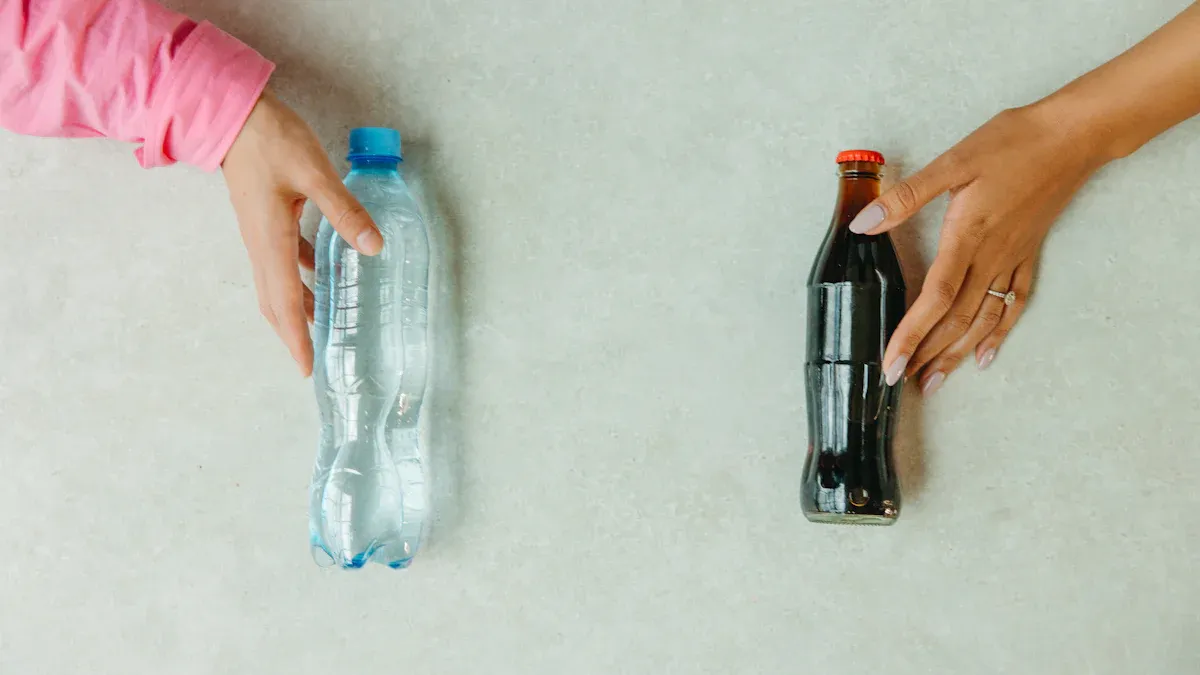
PET means polyethylene terephthalate. People use PET plastic for cosmetic packaging because it is clear and strong. PET makes containers light and protects your cosmetics. You see PET in bottles for serums, lotions, and sprays. PET works well for products that do not need strong chemical resistance. This material keeps packaging shiny and new. PET is easy to recycle, so brands can meet eco-friendly goals.
What is PETG?
PETG stands for polyethylene terephthalate glycol-modified. PETG is made by adding glycol to PET. This makes PETG more flexible and tougher than PET. PETG is good for packaging that needs to handle rough use or drops. You can shape PETG into creative designs and it stays strong. PETG has better chemical resistance, so it works well for cosmetics with strong ingredients like essential oils. Many luxury brands pick PETG for its clear and glossy look.
Key Differences
When you compare PET and PETG, look at their main properties:
| Property | PET | PETG |
|---|---|---|
| Flexibility | Less flexible | More flexible |
| Impact Resistance | Moderate | High |
| Chemical Resistance | Good for non-aggressive products | Superior for aggressive solvents |
| Durability | Good, but less than PETG | Excellent, withstands rough handling |
| Clarity | High | Superior, glossy finish |
- PET is best for everyday cosmetic packaging that does not need strong chemical resistance.
- PETG is great for luxury packaging, creative shapes, and products with strong chemicals.
- PETG gives better impact resistance and flexibility.
- PET offers great clarity, but PETG looks even glossier.
You can pick PET for most cosmetics. PETG is better when you need extra strength or a fancy look. Both materials help your products look nice and stay safe.
Physical Properties: PET vs. PETG
Strength and Durability
You want your cosmetic containers to last. Both PET and PETG are strong, but they act differently. PET plastic can handle more pulling before it breaks. You can see this in the table below:
| Property | PET | PETG |
|---|---|---|
| Tensile Strength (MPa) | 96.5 – 124.1 | 77.2 |
PET makes containers strong for daily use. PETG is not as strong in pulling, but it is tougher. PETG can take rough handling and drops. If you want extra protection for fancy products, PETG is a smart pick. PETG stops tiny cracks and keeps your packaging looking new.
Flexibility and Impact Resistance
You need containers that do not break easily. PET is stiff and can crack if dropped. PETG bends better and can take hits. This means PETG keeps your cosmetics safe. Look at the comparison:
| Material | Impact Resistance | Flexibility |
|---|---|---|
| PET | Lower | Rigid |
| PETG | Superior | Enhanced |
PETG is tough and can take hits, so it is good for products needing more protection. You can shape PETG into cool designs and it stays strong. PETG’s strength helps stop breakage, even if you drop it.
Weight and Thickness
You want your packaging to feel nice but not heavy. PET and PETG are both light. PETG lets you use thicker walls without losing shine or breaking. This makes your packaging look fancy and last longer. PET can get cloudy or show lines if it is too thick. PETG keeps its shiny look and stays strong, even with thick walls.
| Aspect | PETG Benefits | PET Limitations |
|---|---|---|
| Thickness | Makes packaging look fancy and high quality | Can break easier if walls are thick |
| Clarity | Stays clear even with thick walls | Can get cloudy or show lines |
| Durability | Stops tiny cracks and keeps packaging strong | Can get damaged more easily |
| Aesthetic Appeal | Looks shiny and thick for a fancy look | Does not look as nice |
Tip: If you want packaging that looks fancy and lasts longer, PETG is better for thick containers.
You can use PET for simple packaging. For fancy products needing extra strength and a nice look, PETG is the best choice.
Appearance in Cosmetic Packaging
PET Clarity and Gloss
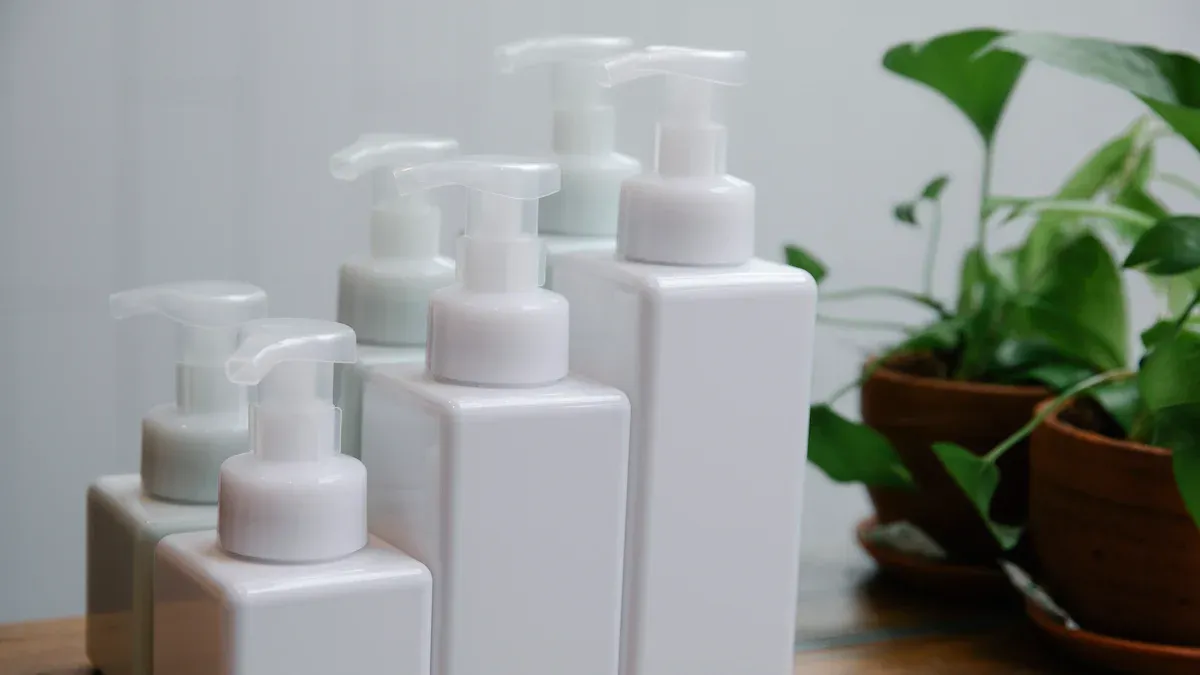
If you choose PET for your containers, they look clear and shiny. PET plastic makes your products look bright, almost like glass. This helps your packaging get noticed in stores. Many brands pick PET because it stays shiny after many uses. PET shows the real color of your creams or lotions. The smooth PET surface helps labels stick and look neat. If you want a classic and clean look, PET is a good choice.
PETG Transparency and Finish
PETG is also very clear. PETG containers look shiny and modern. PETG lets more light go through, so your products look even better. Here is a quick chart to show how much light PETG lets in:
| Material | Light Transmission |
|---|---|
| PETG | 88% |
| PET | Not explicitly mentioned, but inferred to be comparable |
PETG stays shiny, even if the walls are thick. You can make strong packaging that still looks clear and fancy. PETG does not scratch easily and keeps looking new. If you want your packaging to look fancy and protect your product, PETG is a great pick.
Customization Options
You can be creative with both PET and PETG, but PETG gives you more choices. PETG bends into cool shapes, like curved bottles, without breaking. This helps your brand look different. PETG works with many active ingredients, so you can use it for lots of skincare products. You can also pick custom colors for PETG jars to match your brand. Here are some ways you can change your packaging:
| Customization Aspect | Description |
|---|---|
| Flexibility | PETG lets you make special shapes and designs, like curved bottles and new forms. |
| Active Ingredient Compatibility | PETG works with many active ingredients, so it is good for skincare. |
| Aesthetic Appeal | Custom color PETG jars make your products look better and help your brand stand out. |
PET can also be made in many shapes and sizes, but PETG makes new ideas easier. If you want your packaging to look different and special, PETG is the better pick. PET still gives a classic, clear look, but PETG gives you more design options.
Chemical Resistance and Compatibility
PET Chemical Resistance
You want your cosmetic containers to keep products safe. PET protects against many ingredients. Most lotions and creams work well with PET. Water-based products are also safe in PET. But some chemicals can hurt PET. If your product has strong solvents, PET is not the best. Here are some chemicals that do not work with PET:
- Acetone
- MEK
- MIBK
- Toluene
- Xylene
- Strong degreasers
- Solvent-based adhesives
- Nail polish remover
If you use these in your cosmetics, PET can crack or get weak. PET is best for gentle formulas. You can trust PET for most skincare and haircare. But do not use it for harsh chemicals.
PETG Chemical Resistance
PETG gives better chemical resistance than PET. You can use PETG for more types of cosmetics. PETG stands up to strong ingredients and keeps packaging safe. Many brands use PETG for products with alcohol or fragrances. Look at this table to see how PETG works with common ingredients:
| Ingredient Type | Resistance Level |
|---|---|
| Alcohol | Outstanding |
| Glycerin | Outstanding |
| Fragrances | Outstanding |
| Cosmetic Solvents | Outstanding |
PETG does not break down with these ingredients. You can use PETG for products needing extra protection. PETG keeps its shape and stays clear, even with strong formulas.
Product Suitability
You need to match packaging to your product. PET works for most creams, gels, and lotions. If your formula is gentle, PET is a good choice. PETG is better for products with alcohol or strong solvents. You can use PETG for nail polish removers and perfumes. PETG lets you make bold designs and keeps products safe.
Tip: Always check your formula before picking PET or PETG. If you use strong chemicals, PETG is safer.
PET and PETG both give clear, nice packaging. You can pick PET for most everyday cosmetics. Choose PETG when you need more chemical resistance and design options.
Environmental Impact: PET vs. PETG
Recyclability
You want your cosmetic packaging to help the environment. PET is easy to recycle in most places. Many cities have recycling programs for PET. Most recycling centers take PET bottles and jars. PET recycling works well around the world:
- Over 30% of PET gets recycled worldwide.
- In some countries, more than 60% of PET is recycled.
- PET is reused to make many new things, which helps the environment.
PETG is also a little eco-friendly, but not as much as PET. Fewer recycling centers take PETG. It can be hard to recycle PETG containers. Sometimes PETG gets mixed with PET when recycling. This can make recycled PET less good. If you want to help the planet, PET is a better choice.
Sustainability and Carbon Footprint
You want to protect the earth and lower pollution. PET helps you do this. Making PET uses less energy than many plastics. This means PET has a smaller carbon footprint. PET helps cut down on waste and supports the environment. PETG needs more energy to make. This gives PETG a bigger carbon footprint. PETG is still a little eco-friendly, but not as much as PET.
If you want to be more eco-friendly, PET is the best choice. PET is easy to recycle and meets green standards. PETG is okay for some brands, but PET is better for the environment in cosmetic packaging.
Cost and Market Availability
Material and Production Costs
You need to know how much your packaging will cost. Material prices can change your budget. In the cosmetic industry, pet is often the most affordable choice. You can see the average cost per kilogram for pet and petg in the table below:
| Material | Cost per kg |
|---|---|
| PET | $1.20–$1.50 |
| PETG | $1.80–$2.20 |
Pet costs less than petg. If you want to save money, pet is the better option. Many brands use pet because it keeps costs low and still gives a clear, strong container. You can buy pet in large amounts, which helps you get better deals. Pet is easy to mold and shape, so production stays fast and efficient. When you choose pet, you can make more containers for less money.
Petg costs more because it is tougher and offers more design options. You might pay extra for petg if you want special shapes or thicker walls. Some luxury brands use petg for its glossy look, but most everyday products use pet to keep prices down.
Supply Chain Factors
You must think about how easy it is to get pet for your packaging. Supply chain challenges can affect your plans. Here are some issues you may face:
- Pricing intelligence gaps can make it hard to predict costs for pet. Raw material prices change often.
- Supply chain inefficiencies may cause delays. Sometimes pet is not available when you need it.
- Regulatory barriers can slow down your process. Different regions have rules for pet safety and recycling.
- Intensified competition from other plastics, like HDPE and bioplastics, can affect pet’s market share.
- Technological shifts require new investments. Smart packaging trends push brands to upgrade pet containers.
- Procurement challenges happen when raw material prices go up or suppliers are limited.
- Market-entry risks include high startup costs and long approval times for new pet packaging in different countries.
You need to plan ahead and work with trusted suppliers. Pet is widely available, but you must watch for changes in the market. If you want to use petg, you may face more supply chain risks and higher costs. Most brands choose pet because it is easier to source and keeps production steady.
Choosing the Right Material for Cosmetic Packaging
Best for Skincare
You want your skincare to stay fresh and safe. You need a container that blocks air and light. PET works well for most skincare products. It keeps lotions, serums, and creams safe. PET gives a clear look and keeps products stable. Your items last longer in PET containers. PET is good for gentle and water-based formulas.
PETG gives extra safety for your products. It does not break if you drop it. PETG is also fully recyclable. This helps you reach your eco-friendly goals. PETG is a smart pick for green skincare brands.
- PET containers: Great for lotions, serums, and creams that need to last and look clear.
- PETG containers: Great for products that need to be tough and easy to recycle.
Tip: Pick PET for most skincare. Use PETG if you want more safety or care about the environment.
Best for Makeup
Makeup needs packaging that looks nice and keeps it safe. You want your makeup to stand out in stores. PETG is a top choice for makeup containers. It is strong and resists chemicals. PETG works for products with strong colors or oils. PETG is very clear, so makeup looks bright.
| Benefit | Description |
|---|---|
| Clarity | PETG is very clear and shows off your product. |
| Durability | It is tough and resists chemicals. |
| Molding | PETG is easy to shape and mold. |
| Printing | You can print high-quality labels on PETG. |
| Recyclability | PETG can be recycled. |
| Cost | PETG is not expensive. |
| Safety | It has no BPA and does not give off bad fumes. |
You can make cool shapes with PETG containers. Labels look great on PETG. PETG is safe and does not release bad fumes. PET works for makeup too, but PETG gives more design choices and better safety.
- PETG containers: Best for makeup that needs strong protection and fun shapes.
- PET containers: Good for simple makeup with gentle ingredients.
Note: People want eco-friendly packaging. PETG can be recycled, but check your local rules.
Best for Haircare and Other Products
Haircare often has oils and surfactants. You need a container that can handle these. PETG is good for shampoos, conditioners, and styling products. PETG does not get weak from oils. It is strong and lasts a long time.
- PETG containers: Best for haircare with oils, surfactants, or alcohol.
- PET containers: Not as good for products with strong chemicals.
You can use PET for water-based haircare. For strong chemicals, PETG is safer. PETG keeps your haircare fresh and safe.
Tip: Always match your container to your product. Do not pick a container just for looks.
When to Choose PET or PETG
Think about your product, brand, and green goals before picking. You want packaging that works and looks good. Avoid common mistakes.
| Material | Advantages |
|---|---|
| PETG | Very tough, resists chemicals, easy to design, looks fancy. |
| PET | Saves money, easy to recycle, good for water-based products, used a lot. |
| Material | Recyclability | Biodegradability | Environmental Impact |
|---|---|---|---|
| PETG | Can be recycled and reused | Yes | Uses less energy to recycle |
Always check if your container fits your product’s ingredients. Do not pick just by looks or trends. Make sure your packaging is safe and follows the rules. Your green claims should be true.
- PET containers: Best for cheap, recyclable, and big batches. Use for water-based and gentle products.
- PETG containers: Best for fancy packaging, strong chemicals, and cool designs. Use for products that need to be tough and resist chemicals.
Note: You can use both PET and PETG for many cosmetics. Always test your product with the container first.
The right container helps your brand stand out. You build trust by picking safe, strong, and green packaging for your cosmetics.
When you look at pet and petg, they are not the same. The table below shows what experts think:
| Feature | PET | PETG |
|---|---|---|
| Clarity | High transparency | Excellent clarity |
| Durability | Good shatter resistance | Enhanced impact resistance |
| Recyclability | Highly recyclable | Limited recyclability |
| Cost | Cost-effective | Higher cost |
Pick pet or petg based on what you need most. If you want packaging that is eco-friendly and cheap, pet is a good pick. If you want packaging that looks fancy and is very strong, petg is better. For more information, you can check resources about packaging, recycling, and cosmetic safety.
FAQ
Can you recycle PETG cosmetic containers?
You can recycle PETG in some places. Many recycling centers accept PET, but fewer take PETG. Always check your local recycling rules before you throw away PETG containers.
Is PET safe for storing skincare products?
PET keeps your skincare safe. It blocks air and light. Most lotions and creams stay fresh in PET containers. You can trust PET for gentle formulas.
Which material is better for luxury packaging?
| Material | Luxury Appeal | Design Flexibility |
|---|---|---|
| PETG | High | Excellent |
| PET | Moderate | Good |
PETG gives you a glossy look and lets you create unique shapes. You can use PETG for high-end products.
Does PETG cost more than PET?
You pay more for PETG. PETG costs about $1.80–$2.20 per kilogram. PET costs less, around $1.20–$1.50 per kilogram. Choose PET if you want to save money.
Can you use PET containers for products with strong chemicals?
You should not use PET for strong chemicals. PET can crack or get weak. Use PETG for products with alcohol, solvents, or essential oils.