


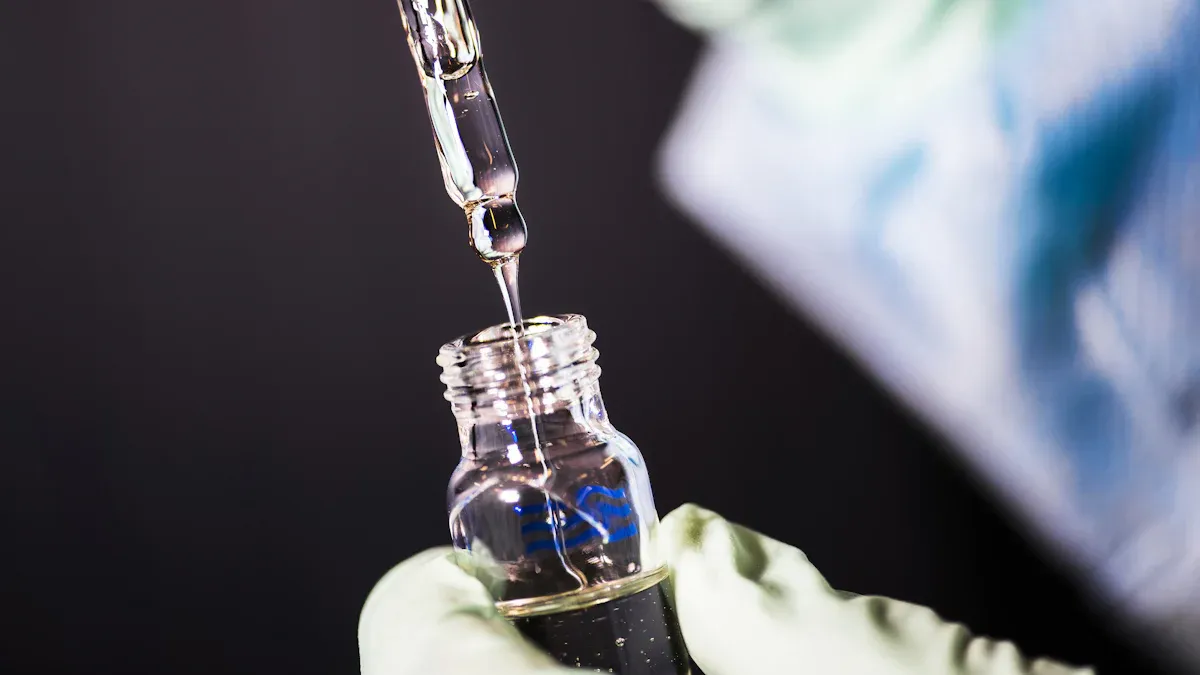
When you choose the right dropper, there are several factors to consider. First, identify the type of liquid you have and assess its viscosity. The size of the bottle is also crucial. Additionally, examine the material of the dropper. The style of the tip is significant, as it affects precision in dosing. Ensure that all components are compatible. The primary consideration is the intended use of the dropper. Your choice will be influenced by what you plan to dispense. The size, shape, and material of the tip are critical for optimal performance. Many droppers come with unique features, such as glass or plastic pipettes, rubber bulbs, and child-resistant caps for safety. For high-quality options, some companies, like Oulete in China, offer custom dropper bottles for various applications. Ready to choose the right dropper? Follow the step-by-step guide to make the best selection!
Key Takeaways
- Find out what kind of liquid you have and how thick it is before you pick a dropper. This helps you get the right amount and makes sure it works well.
- Pick what the dropper is made of for your use. Glass works best for chemicals. Plastic is good if you need to travel.
- Make sure the dropper fits the bottle’s neck so it does not leak or give the wrong amount.
- Try different dropper tip shapes to see which one works best for your liquid. Blunt tips are good for thick liquids. Tapered tips are better for thin ones.
- Check for safety parts like child-resistant and tamper-evident designs, especially if you use it for medicine.
- Always look at droppers for problems before you use them. A smooth tip helps you get the right amount and keeps the product safe.
- Talk to suppliers about if the dropper works with your product and meets safety rules. This helps you avoid problems.
- Write down which droppers you test. This makes it easier to pick next time and keeps the quality the same.
Identify Your Application & Liquid
Purpose of the Dropper
Think about what you want to use the dropper for. Are you working in a lab, making chemicals, or mixing skincare products? Maybe you need to measure medicine or add oils to a mix. The reason you need a dropper will guide your choice.
- If you work in a lab, glass droppers are often needed. Glass does not react with chemicals and keeps things safe.
- If you make cosmetics, plastic droppers might be better. They are light and easy to move. You can take them anywhere.
- Both jobs need careful dosing. Glass droppers are good for being exact, like with eye drops. Plastic droppers are easy to use.
Think about what matters most to you. Do you need to be very exact, or do you want something simple? Your answer will help you pick the best dropper.
Liquid Properties (Viscosity, Friction)
Not all liquids act the same way. Some are thick, like castor oil. Others are thin, like water. Viscosity is how fast or slow a liquid moves. Friction is also important, especially with sticky or oily things.
- Thick liquids make bigger drops. Thin liquids make smaller drops.
- Droppers with wide tips are better for thick oils. They stop clogging and help the liquid come out.
- If your liquid is hot, it gets thinner and makes smaller drops. Cold liquids stay thick and make bigger drops.
- Big dropper openings give you big drops. Small openings give you more control.
Here’s a quick look at which dropper tip works best for viscous liquids:
| Dropper Tip Type | Benefits for Viscous Liquids |
|---|---|
| Wide Tip | Stops clogging with thick oils like castor or MCT oil blends. Helps thick liquids flow better. |
To pick the right dropper, test how your liquid acts. Try different tip sizes and see which one works best.
Application-Specific Needs
Each job has its own rules. If you work with medicine, you must follow safety rules. Pharmaceutical droppers must meet certain standards to keep things safe. Companies check quality and make new designs to follow these rules. Some rules also help protect the environment.
Cosmetic brands want droppers that look nice and are easy to use. If you want something special, Oulete can help. Oulete is a top maker in China with over ten years of experience. Their factory is big and uses modern machines. They make custom dropper bottles, vacuum bottles, lotion bottles, and more. Oulete helps you from design to delivery, so you get the right packaging. Their strong quality checks and great service are liked by beauty and skincare brands around the world.
Tip: Always make sure your dropper meets the rules for your job. This keeps your product safe and helps people trust your brand.
When you know what you need and understand your liquid, you can make good choices. It will be much easier to pick the right dropper for your needs.
Choose the Right Dropper for Your Bottle
When you want to choose the right dropper, you need to make sure it fits your bottle perfectly. A good fit helps you avoid leaks, wasted product, and dosing mistakes. Let’s break down what you need to check.
Bottle Size & Neck Compatibility
Every bottle has a neck finish. This is the part where the dropper screws on. If you pick the wrong finish, your dropper will not seal well. That can cause leaks or even let air inside. Most bottles use standard finishes, so you can match droppers and bottles from different suppliers.
Here’s a quick table to help you see the most common neck finishes:
| Finish Code | Approx. Height | Thread Style | Typical Use | Remarks |
|---|---|---|---|---|
| 400 | Short | Single-turn continuous thread | General-purpose screw caps | Most common for food, beverage, and personal care bottles. |
| 410 | Medium | Fine thread, taller finish | Dispensing closures, pumps | More secure and better sealing. |
| 415 | Tall | Extended thread height | Fine-mist sprayers, droppers | Extra room for dropper parts. |
| 425 | Extra tall | Multi-thread/custom bead | Pharmaceutical, lab bottles | For precision and higher neck engagement. |
| 439/440 | Deep, heavy | Coarse thread or modified CT | Industrial, thick liquids | Strong seal for repeated use. |
Most dropper bottles use the 18-400 or 20-410 finish. The 18-400 is popular for essential oils and works well with rubber bulb droppers. The 20-410 is very flexible and fits many types of closures, including droppers.
Tip: Always check the neck finish code on your bottle before you choose the right dropper. This small detail can save you a lot of trouble.
Standard finishes make it easy to find matching parts. The SPI (Society for the Plastic Industry) sets these standards, so you can trust that bottles and droppers from different brands will fit together.
Pipette Length Selection
The pipette is the long tube that goes inside the bottle. You want the pipette to reach close to the bottom, but not touch it. If it’s too short, you will leave liquid behind. If it’s too long, it might bend or break.
Here are some things to keep in mind:
- Larger bottles need longer pipettes. This helps you use all the liquid.
- Smaller bottles need shorter pipettes, so they fit without bending.
- The opening size of the bottle also matters. A wide opening can fit a thicker pipette.
Dropper bottles come in many sizes, from 0.5 oz (15 ml) to 2 oz (60 ml). Small bottles are great for strong liquids where you need only a little at a time. Big bottles work well for things like serums, where you use more.
Note: If you are not sure which pipette length to pick, measure the depth of your bottle. Then, choose a pipette that is just a bit shorter than that depth.
Ensuring Proper Fit
A good fit means your dropper works smoothly and keeps your product safe. If the dropper does not fit right, you might face problems like leaks, weak suction, or even broken glass.
Here’s a table of common issues when droppers do not fit bottles correctly:
| Issue Type | Description |
|---|---|
| Bulb-to-Cap Seal | Loose seal lets air in, so liquid does not draw up well. |
| Cap-to-Bottle Seal | Wrong threads cause leaks around the cap. |
| Pipette-to-Cap Seal | Small gaps let air leak, especially with thin liquids. |
| High Viscosity | Thick liquids may not get drawn up, so dosing is not accurate. |
| Chemical Incompatibility | Some liquids can damage the bulb, making it lose its seal. |
| Bulb Material | Low-quality bulbs lose stretch, so suction gets weak. |
| Pipette Tip | Wrong opening size makes it hard to draw up some liquids. |
| Micro-Fractures | Tiny cracks in the pipette stop the vacuum from forming. |
You can avoid these problems if you choose the right dropper for your bottle. Always test the dropper with your actual liquid before you buy a large batch.
If you need help with custom dropper bottles, Oulete can help. Oulete is a trusted manufacturer in China with over ten years of experience. They have a large, modern factory and offer full support from design to delivery. Many beauty and skincare brands around the world trust Oulete for high-quality, custom packaging. You can get help with everything from picking the right neck finish to making sure your dropper fits perfectly.
Remember: When you choose the right dropper, you protect your product and make sure your customers have a great experience.
Dropper Tip Styles & Orifice Size
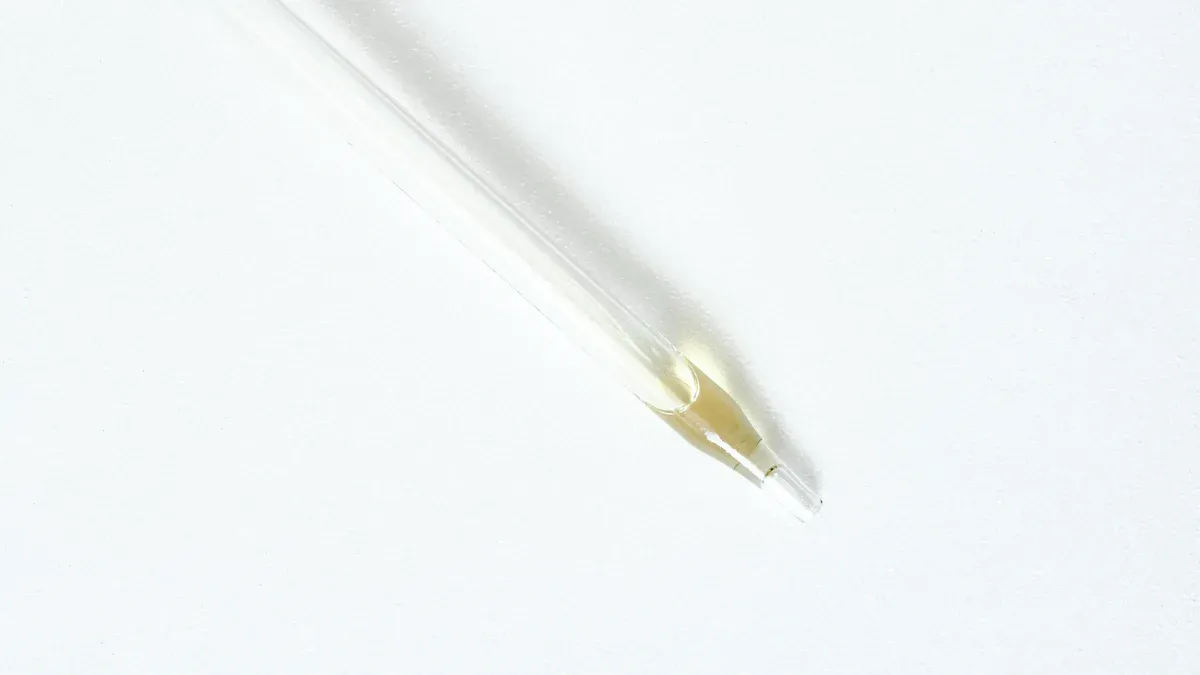
When you want to choose the right dropper, you need to look at the tip style and the size of the opening. These details change how much liquid comes out and how easy it is to control each drop. Let’s break down the main tip types and what makes each one special.
Tip Types (Blunt, Tapered, Bent, Ball)
You’ll find four common dropper tip styles. Each one works best for certain liquids and tasks. Here’s a quick table to help you compare:
| Dropper Tip Type | Shape Description | Benefits | Applications |
|---|---|---|---|
| Blunt Tip | Flat, straight end | Steady stream, ideal for thicker liquids | General use |
| Tapered Tip | Narrows to a fine point | Precise application for thinner liquids | Essential oils, tinctures |
| Bent Tip | Angled end | Easier access to tight spaces | Narrow openings |
| Ball Tip | Rounded end | Uniform drop size, user-friendly | Spot treatments, cosmetics |
- Blunt Tip: You get a broader flow. This tip works well for thick liquids.
- Tapered Tip: You can make small, controlled drops. It’s great for precise dosing.
- Bent Tip: You reach tight spots easily. No need to tilt the bottle too much.
- Ball Tip: You get the same drop size every time. It’s perfect for targeted use.
If you work with cosmetics or essential oils, you might want a tapered or ball tip for better control. For thicker oils, a blunt tip helps you avoid clogging.
Orifice Size & Drop Control
The size of the opening at the tip, called the orifice, changes how the liquid flows. Small orifices give you tiny drops and more control. Big orifices let out more liquid at once. The type of liquid matters too. Thin liquids like water move fast through small openings. Thick liquids, like glycerol or castor oil, need bigger orifices so they don’t get stuck.
Research shows that orifice size affects how bubbles form inside the dropper. In low viscosity liquids, small orifices can make bigger bubbles, which changes how the liquid comes out. For thick liquids, the effect is less, but you still need the right size to get accurate dosing. If you want to choose the right dropper, always test your liquid with different tip sizes to see which one gives you the best control.
Tip: Try a few droppers with your actual product before you buy a lot. You’ll see which tip and orifice size work best for your needs.
Tip Quality & Flaws
You should always check the tip for flaws before using a dropper. Look for chips, cracks, or rough edges. These problems can change the drop size or make the dropper unsafe. A smooth, clean tip gives you better dosing and keeps your product safe.
If you need high-quality droppers, Oulete can help. Oulete is a trusted manufacturer in China with over ten years of experience. Their factory uses advanced machines to make custom dropper bottles for beauty and skincare brands. They offer full support from design to delivery, strict quality checks, and great service. Many brands around the world trust Oulete for reliable packaging.
Note: Always inspect your droppers before filling bottles. Good tips mean better results and safer products.
Now you know how tip style, orifice size, and tip quality affect your dropper’s performance. This will help you choose the right dropper for your application.
Dropper Material & Safety
Glass vs. Plastic
When you pick a dropper, you usually choose glass or plastic. Each one has good and bad points. Here is what you should know:
- Glass droppers are simple to clean. You can heat them up to kill germs. They do not mix with most chemicals, so your liquid stays safe. Glass can be recycled, which helps the earth. But glass can break if you drop it. Broken glass can hurt you or mess up your product. Glass droppers also cost more to make.
- Plastic droppers are strong and bendy. You do not have to worry about them breaking. They are light and easy to carry, which is good for travel. Plastic does not add metals to your liquid, so it is good for some science tests. But plastic might not work with strong chemicals. Some plastics have extra stuff in them that could change your liquid.
Tip: If you need to clean your dropper with heat or use it with strong chemicals, glass is usually safer. For daily use or travel, plastic might be a better choice.
Chemical Compatibility
Not every dropper works with every liquid. Some chemicals, like acids or essential oils, need special materials. If you use the wrong dropper, your liquid could break the dropper or pick up bad stuff.
Here is a quick look at how different materials handle strong chemicals:
| Material | Acids Compatibility | Essential Oils Compatibility |
|---|---|---|
| Borosilicate Glass | Zero change after 1 year | Not listed |
| Polypropylene (PP) | Not listed | 95% stays strong |
| High-Density Polyethylene (HDPE) | Not listed | Works well with many oils |
| Polytetrafluoroethylene (PTFE) | Not listed | Does not react with almost anything |
Borosilicate glass is best for acids. It does not change, even after a year. PTFE is great for essential oils because it does not react with them. If you use strong chemicals, always check if your dropper material is safe.
Durability & Lifespan
You want your dropper to last a long time. Glass droppers are strong and do not mix with liquids, but they can break if dropped. Plastic droppers are hard to break and easy to use, but some types may not last as long with tough liquids. Glass can be used again, which is good for the planet. Plastic is lighter and does not break easily, but it might not last as long.
If you need help picking the right dropper material, you can ask Oulete. Oulete is a dropper bottle maker in Zhejiang, China, with over ten years of experience. Their big factory makes many kinds of cosmetic bottles, including dropper bottles. Oulete gives custom help from design to making the bottles, and they check quality carefully. Many beauty and skincare brands around the world trust Oulete for safe and nice packaging.
Remember: Always match your dropper material to your liquid and your needs. This keeps your product safe and your customers happy.
Specialty Features & Dosing Accuracy
If you want your dropper to work its best, look for special features. These features help you measure, protect, and control your liquid easily. They can make using your dropper much simpler.
Graduated Scales & Markings
Have you ever needed to measure a small amount of liquid and worried about making a mistake? Graduated scales and markings on droppers fix this problem. You can see how much liquid you pull up or let out. This is very helpful in labs, clinics, or when you mix skincare at home.
Here’s a table that shows how some features make dosing more accurate:
| Feature | Improvement in Accuracy |
|---|---|
| Laser-etched graduations | Up to 99.5% |
| Tamper-evident seals | Enhanced security |
Laser-etched graduations help you get almost perfect measurements. You can trust each dose, whether you use medicine or essential oils. Tamper-evident seals keep your product safe, so you know no one has opened it.
Tip: Always look for clear and easy-to-read markings on your dropper. This helps you avoid mistakes and keeps your dosing correct.
Child-Resistant & Tamper-Evident
Safety is important, especially if you have kids or use medicine. Child-resistant and tamper-evident features keep your liquids safe from kids and people who should not open them.
Here are some rules you should know:
- The FDA says all over-the-counter drugs must have tamper-evident packaging. There should be a seal or barrier that shows if someone tried to open it.
- The tamper-evident feature must be easy to see and hard to copy.
- Common types are shrink bands, induction seals, and film wrappers.
- The package must tell you which tamper-evident feature it uses.
- For some capsules, at least one tamper-evident feature is needed.
The Poison Packaging Prevention Act (PPPA) says products like medicine must have child-resistant packaging. This means kids under five cannot open it easily, but adults can. The EPA and CPSC check that companies follow these rules. If they do not, they can get big fines.
Note: When you pick a dropper for medicine or anything dangerous, always check for these safety features.
Extended & Controlled Tips
Sometimes you need to be very careful with how much liquid you use. Extended and controlled tips help you do this. These tips make it easy to get the right amount every time. You will not waste any drops.
Droppers with special tips are great for:
- Essential oils and flavorings
- Skincare serums
- Lab chemicals
- Medicines
You get the same size drop each time, so you do not have to guess. Some tips have orifice reducers and overcaps. These parts fit the bottle and help you control each drop. In labs and clinics, these tips make sure you get the same amount every time. This is important for safety and good results.
If you want a dropper that fits your needs, Oulete can help. Oulete is a trusted dropper bottle maker in China with over ten years of experience. They offer custom solutions, strict quality checks, and help from design to delivery. Many beauty and skincare brands around the world trust Oulete for safe, accurate, and stylish packaging.
With the right special features, you can use your dropper with confidence. You will get the accuracy, safety, and control you need for any job.
Step-by-Step Guide to Choose the Right Dropper
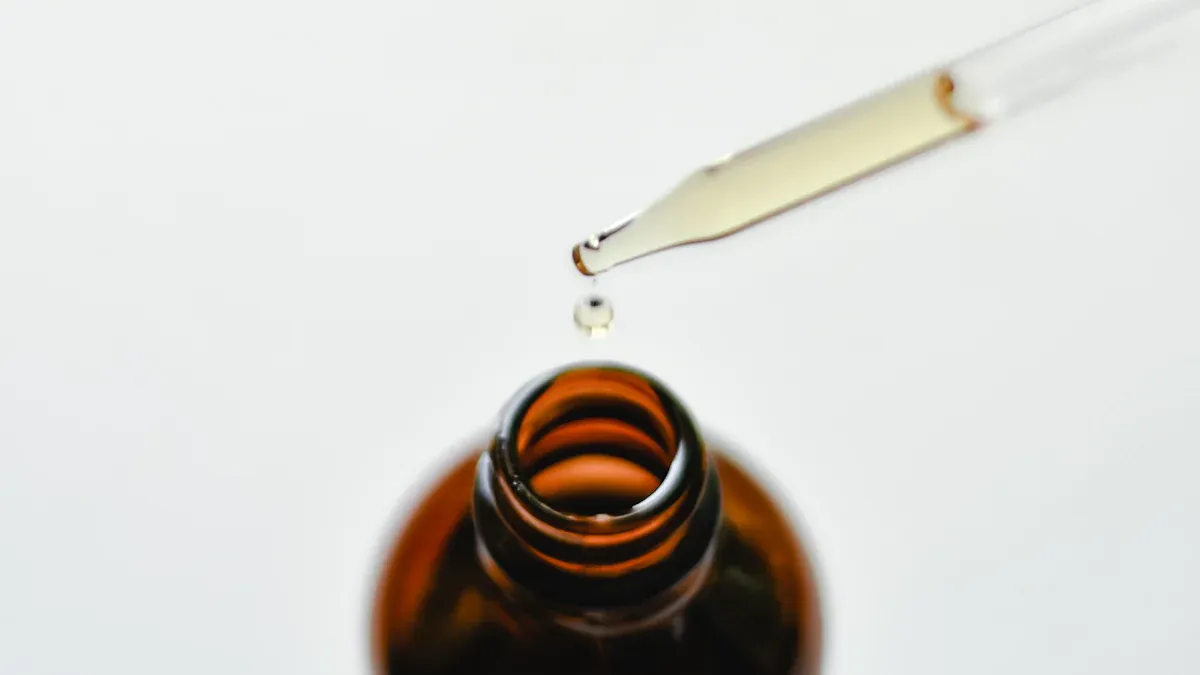
Quick Selection Checklist
You want to make sure you pick the best dropper for your product. Here’s a simple checklist to help you get started:
- Check your liquid’s properties. Is it thick or thin? Does it react with certain materials?
- Look at the dropper material. Make sure it matches your liquid. Glass works well for strong chemicals. Plastic is good for travel and daily use.
- Test the closure type. The dropper should fit your bottle’s neck and seal tightly.
- Try out the dropper with your actual product. See if it gives you the right amount each time.
- Make sure the dropper and bottle do not react with your formula. This keeps your product safe.
- Pick a bottle size that feels good in your hand and matches your brand’s look.
- Think about safety. If your product is for medicine or kids, choose a dropper with child-resistant or tamper-evident features.
- Ask about minimum order amounts and how long it takes to get your droppers.
- Consider if the packaging can be recycled or reused.
Tip: Always test a few droppers before you order a large batch. This helps you avoid surprises later.
Troubleshooting Fit & Function
Sometimes, even when you follow all the steps, things do not go as planned. Here are some common problems and how you can fix them:
| Problem | What You See | What to Do |
|---|---|---|
| Dropper leaks | Liquid drips from the cap or neck | Check if the closure matches the bottle. Try a different neck finish. |
| Hard to squeeze bulb | Bulb feels stiff or does not bounce | Try a softer bulb material. Make sure it is not old or cracked. |
| Drops are too big/small | Wrong dose comes out | Test different tip styles or orifice sizes. Use a tapered tip for more control. |
| Liquid stays in bottle | Pipette does not reach bottom | Measure your bottle depth. Choose a longer pipette. |
| Cloudy or damaged dropper | Material changes after filling | Check for chemical compatibility. Use glass or PTFE for strong formulas. |
If you keep having trouble, talk to your supplier. A good manufacturer can help you solve these problems fast. For example, Oulete is a trusted dropper bottle maker in China with over ten years of experience. They offer custom solutions, strict quality checks, and support from design to delivery. Many beauty and skincare brands around the world trust Oulete for safe and reliable packaging.
When you follow these steps, you can choose the right dropper for your needs. You will feel confident that your product looks great and works well for your customers.
Tips for Confident Dropper Selection
Consult Suppliers
When you want to find the perfect dropper, talking to your supplier is a smart move. Good suppliers help you avoid mistakes and make sure your product stays safe. You should ask questions about the dropper’s material, safety, and how it works with your formula. Here are some important things to check:
| Key Consideration | Description |
|---|---|
| Chemical Interaction | Ask how your formula reacts with the dropper material. |
| Leaching/Migration | Make sure nothing harmful moves from the dropper into your liquid. |
| Performance | Test if the dropper and cap work well with your product. |
You can also ask your supplier:
- Is this packaging material compatible with my formula?
- Does the dropper meet all the rules and standards?
- What certifications does your company have?
If you want a supplier you can trust, Oulete stands out. Oulete has over ten years of experience making dropper bottles. Their factory uses advanced machines and strict quality checks. They help you from design to delivery, so you get exactly what you need. Many brands around the world choose Oulete for custom dropper bottles and reliable service.
Test & Verify Performance
You should always test droppers before you make a big order. Testing helps you catch problems early. Here’s what you can do:
- Try stability testing at both hot and cold temperatures.
- Squeeze the bulb and check if it gets too hard or too soft.
- Smell the rubber to see if there are any strange odors.
- Look for cracks, sticky spots, or any changes in the dropper.
Testing makes sure your dropper works well with your product. If you skip this step, you might end up with droppers that leak, break, or change your formula. You want your customers to have a good experience every time they use your product.
Tip: Always test with your real product, not just water. This gives you the best results.
Keep Selection Records
Keeping good records helps you stay organized. Write down which droppers you tested, what worked, and what did not. You can use a simple table or a notebook. This way, you remember which supplier gave you the best fit and which dropper matched your needs.
- Record the dropper type, material, and size.
- Note any problems you found during testing.
- Save contact details for suppliers who helped you.
If you ever need to reorder or solve a problem, your notes will save you time. You will also feel more confident when you choose new packaging in the future.
Keeping records turns a confusing process into a simple checklist. You will always know what works best for your brand.
You can find the best dropper by matching its features to your liquid and how you will use it. If you follow each step, you will get good results and keep your product safe. Here is what experts say to do: * Use UV-protective glass to keep your ingredients fresh. * Pick droppers and closures that stop leaks. * Check that every part follows safety rules. * Choose tamper-evident and child-resistant options. Test your droppers before using them and talk to suppliers you trust. Oulete has more than ten years of experience and gives custom help and support for your packaging needs.
FAQ
How do I know which dropper tip is best for my liquid?
You should test your liquid with different tip styles. Thick liquids work better with blunt tips. Thin liquids need tapered or ball tips for more control.
Can I reuse droppers for different products?
It’s not a good idea. Droppers can hold onto smells or chemicals. You should use a new dropper for each product to keep things safe.
What’s the difference between glass and plastic droppers?
Glass droppers resist chemicals and heat. Plastic droppers are lighter and don’t break easily. You should pick the one that matches your liquid and how you use it.
How do I make sure my dropper fits my bottle?
Check the neck finish code on your bottle. Match it with the dropper’s closure type. If you’re not sure, ask your supplier for help.
Why do some droppers have markings or scales?
Markings help you measure the right amount every time. You can see exactly how much liquid you use. This is great for medicine or skincare.
Are child-resistant droppers important?
Yes! If you use medicine or strong oils, child-resistant droppers keep kids safe. Look for packaging with safety features like tamper-evident seals.
Where can I get custom dropper bottles?
You can contact Oulete in China. Oulete makes custom dropper bottles and offers full support from design to delivery. Many beauty and skincare brands trust their quality and service.
What should I do if my dropper leaks?
Check if the dropper matches your bottle’s neck finish. Try a different closure or ask your supplier for advice. Testing before buying helps you avoid leaks.