


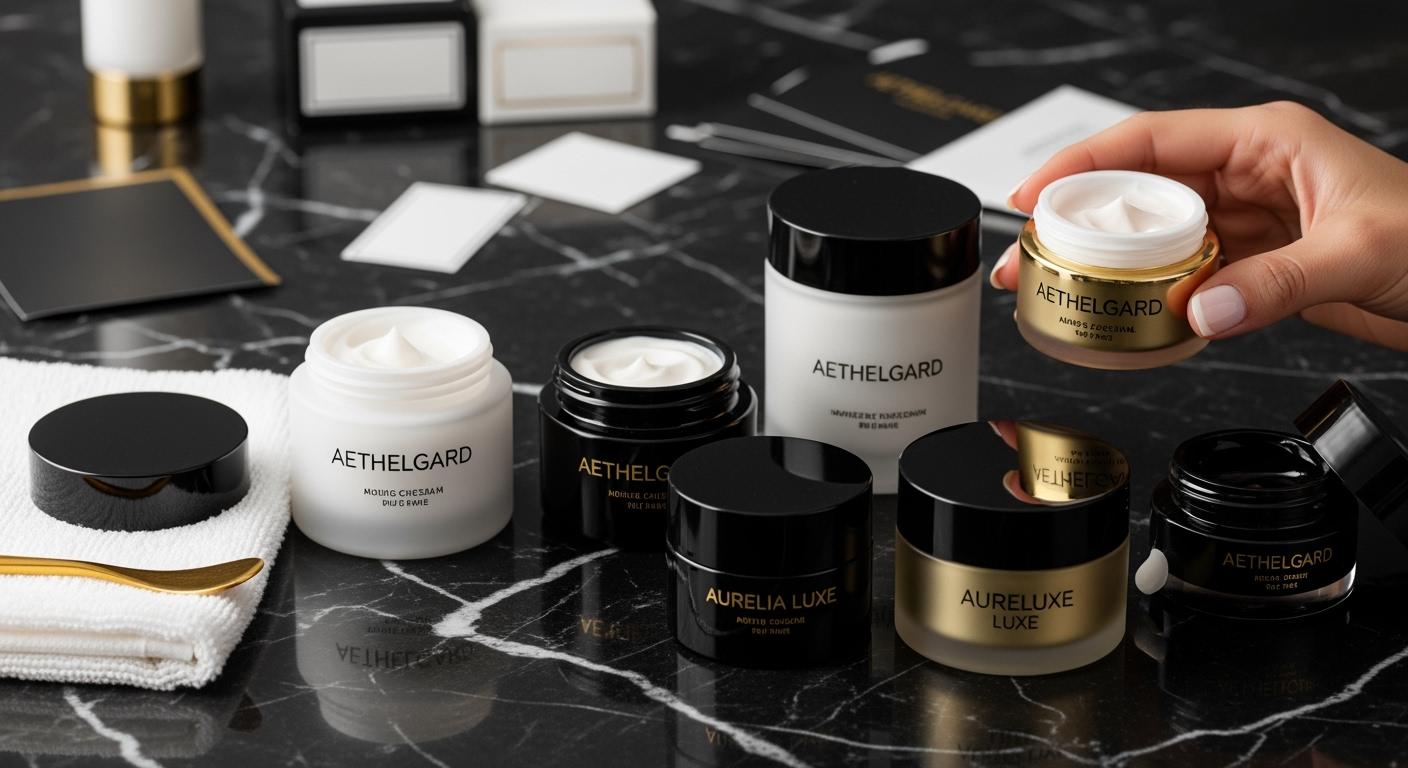
When you select jars for face creams, you should prioritize packaging quality, formula compatibility, and design appeal. Research indicates that 70% of consumers consider packaging quality when purchasing face cream products. In the competitive skincare market, your choice of jar communicates your brand values and sets you apart. Packaging that features sustainable materials or elegant finishes signals your commitment to innovation and responsibility. Private Label Cream Packaging must align with both market trends and customer expectations to build trust and drive sales.
Key Takeaways
-
Choose jar materials wisely. Glass offers premium protection, while plastic is cost-effective for mass-market products.
-
Select jar sizes that fit your target market. Smaller jars convey luxury, while larger jars suggest value and practicality.
-
Ensure closure systems protect your product. Test for compatibility to prevent leaks and maintain shelf life.
-
Invest in custom designs to enhance brand identity. Unique colors and finishes make your product memorable.
-
Embrace sustainable packaging options. Eco-friendly materials attract conscious consumers and strengthen your brand’s reputation.
Part1: Private Label Cream Packaging Essentials
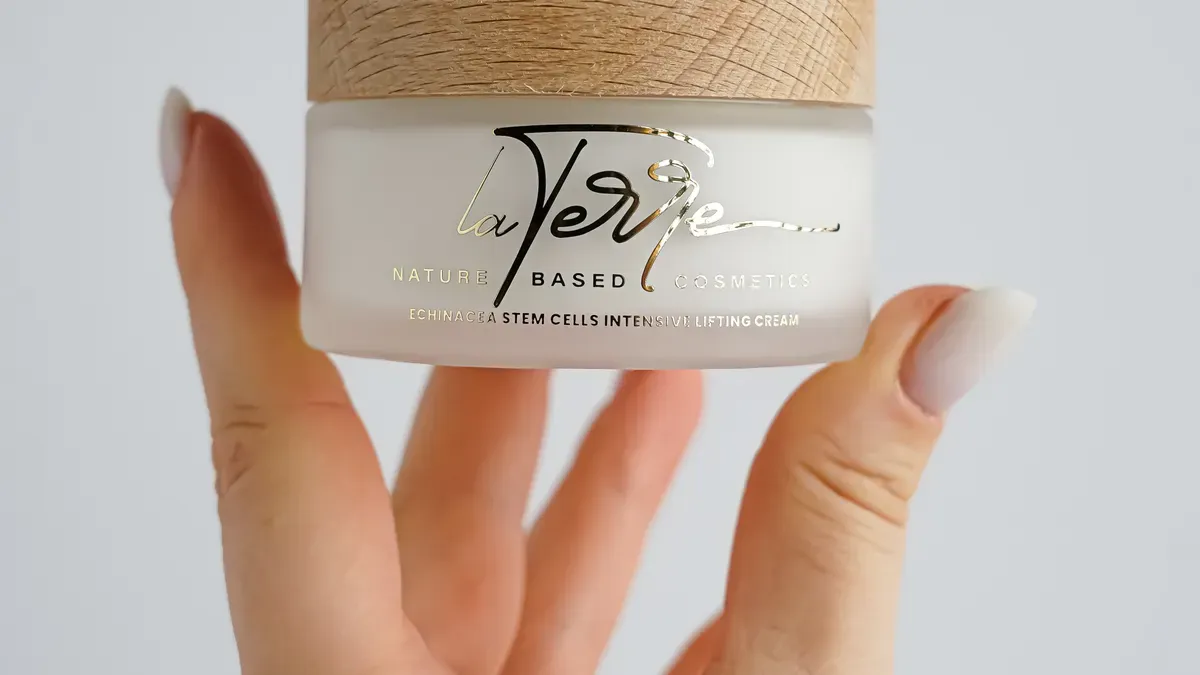
When you select jars for your face cream line, you make decisions that shape product quality, user satisfaction, and brand reputation. The right choices in material, size, and closure protect your formula and enhance your market position. This section explains how each factor impacts your Private Label Cream Packaging strategy.
1.1 Material Choices: Glass, Plastic, Acrylic
You must evaluate jar materials based on protection, compatibility, and brand image. The most common materials for face cream jars include glass, plastic, and acrylic. Each material offers unique advantages for Private Label Cream Packaging.
|
Material Type |
Advantages |
|---|---|
|
Glass |
Excellent barrier against oxygen and moisture; non-reactive; high-end feel |
|
Plastic |
Lightweight; high impact resistance; suitable for mass-market products |
|
PCR Plastic |
Eco-friendly; reduces reliance on virgin plastic; requires compatibility testing |
Glass jars, such as glass cream jars, provide a premium look and strong protection against air and moisture. You can use glass for luxury or natural skincare lines. Plastic jars, including skincare jars, offer durability and lower shipping costs. PCR (post-consumer recycled) plastic supports sustainability goals and appeals to eco-conscious buyers.
You should also compare the performance of each material:
|
Material |
Advantages |
Disadvantages |
|---|---|---|
|
Glass |
Chemically inert, infinitely recyclable |
Heavy, breakable |
|
Plastic |
Lightweight, shatter-resistant, broadly compatible |
Less environmentally friendly |
|
Acrylic |
Aesthetic appeal, feels like glass |
Narrower chemical compatibility, not recyclable |
Glass works well with most face cream formulas and resists chemical reactions. Plastic suits a wide range of products and resists breaking during transport. Acrylic gives a glass-like appearance but may not suit all formulas and cannot be recycled. You should always test your formula with the chosen material to ensure stability and safety.
Tip: Choose materials that match your brand’s sustainability goals and product positioning. For example, luxury brands often prefer glass, while mass-market lines may choose plastic for cost and convenience.
1.2 Size, Volume & Shape
Jar size and shape influence both consumer perception and product performance. You should select sizes that fit your target market and product type.
|
Jar Size |
Common Uses |
|---|---|
|
5g |
Eye creams, samples, travel-size cosmetics |
|
15g |
Eye creams, samples, travel-size cosmetics |
|
30g |
Face creams, moisturizers, anti-aging products |
|
50g |
Industry standard for skincare brands |
|
100g |
Face creams, moisturizers, body care packaging |
Smaller jars (5g, 15g) work well for samples or eye creams. Standard sizes (30g, 50g) suit most face creams and moisturizers. Larger jars (100g) can package body care or value-sized creams.
-
Smaller jars can convey luxury and exclusivity.
-
Larger jars may suggest value and practicality.
-
Jar size affects product longevity, which is crucial for active ingredient efficacy.
-
Design and dimensions influence ease of use and aesthetic appeal.
You should also consider the shape of the jar. Round jars are easy to fill and label. Square or custom shapes can help your product stand out on the shelf. Ergonomic designs improve user experience and reduce product waste.
1.3 Lid & Closure Options
The lid and closure system you choose plays a key role in product safety and shelf life. You must ensure that your closure protects the formula from air, light, and contamination.
|
Factor |
Impact on Shelf Life and Safety |
|---|---|
|
Oxygen Transmission |
Minimal oxygen permeability can dramatically shorten functional shelf life due to oxidation. |
|
Surface Adsorption |
Oils can adsorb to container walls, reducing effective concentration of active ingredients. |
|
Extractables and Leachables |
Migration of plasticizers and stabilizers can catalyze oxidation, altering product quality. |
|
Light Exposure |
Lack of UV protection can lead to photo-oxidation, accelerating degradation of sensitive oils. |
|
Headspace Volume |
Large headspace increases oxygen load, shortening the time before antioxidants are consumed. |
|
Closure Integrity |
Pump and dropper closures can introduce oxygen with each use, leading to oxidation during use. |
You can choose from screw caps, snap-on lids, pumps, or droppers. Screw caps and snap-on lids offer simplicity and cost-effectiveness. Pumps and droppers provide a hygienic, airless option but may introduce oxygen with each use. For sensitive formulas, consider airless jars or UV-protective lids to extend shelf life.
Note: Always test closure compatibility with your formula to prevent leaks, contamination, or ingredient degradation.
By understanding these essentials, you can make informed decisions for your Private Label Cream Packaging. The right combination of material, size, and closure will protect your product, satisfy your customers, and strengthen your brand.
Part2: User Experience & Product Safety
2.1 Jar Weight & Handling
You should consider jar weight when selecting packaging for face cream brands. The weight of a jar affects how your clients perceive the quality of your product. Heavier jars often signal a premium product and can increase user satisfaction. This effect, known as the “haptic premium effect,” means that customers often rate heavier jars as higher quality and are more likely to repurchase.
-
Heavier jars create a sense of luxury and value.
-
Lighter jars offer convenience for travel and reduce shipping costs.
-
The right balance between weight and function can improve daily handling for end users.
2.2 Seal Integrity & Protection
You must ensure that your packaging protects the product from contamination and tampering. Industry standards require you to use materials that are safe and designs that prevent physical damage. You should also follow strict testing protocols and comply with ASTM and ISTA standards to guarantee product safety.
Packaging standards typically cover a range of factors, including the suitability of materials used, the presence of harmful substances, and the overall design and functionality of the packaging. Additionally, packaging must be designed to protect its contents from contamination, tampering, and physical damage during transportation and handling.
The retrieved documents provide insights into the industry standards for seal integrity in packaging, particularly for personal care products like face creams. They emphasize the importance of rigorous testing protocols, compliance with ASTM and ISTA standards, and the need for effective operator training to ensure product safety and integrity.
The sealing method you choose plays a critical role in preventing leaks and extending shelf life. Induction sealing bonds a foil liner to the jar rim, creating a strong, tamper-evident barrier. This method works well for liquids and minimizes contamination risk. Heat sealing and vacuum sealing are alternatives, but they may not provide the same level of protection or compatibility.
2.3 Shipping & Breakage Risk
You need to minimize breakage during shipping, especially for bulk orders. Glass jars have a higher breakage rate than plastic jars because glass shatters on impact. When glass breaks, you lose both the container and the product, and you may face safety hazards. Plastic jars resist breakage and offer better protection during transport.
To reduce breakage risk, you can use these packaging features:
-
Cardboard grids to separate jars and prevent impact.
-
Block bagging to cushion containers and avoid scratches.
-
Sturdy boxes and pallets to keep jars secure during shipping.
By focusing on these aspects, you can improve the safety, usability, and reliability of your Private Label Cream Packaging.
Part3: Branding, Customization & Sustainability
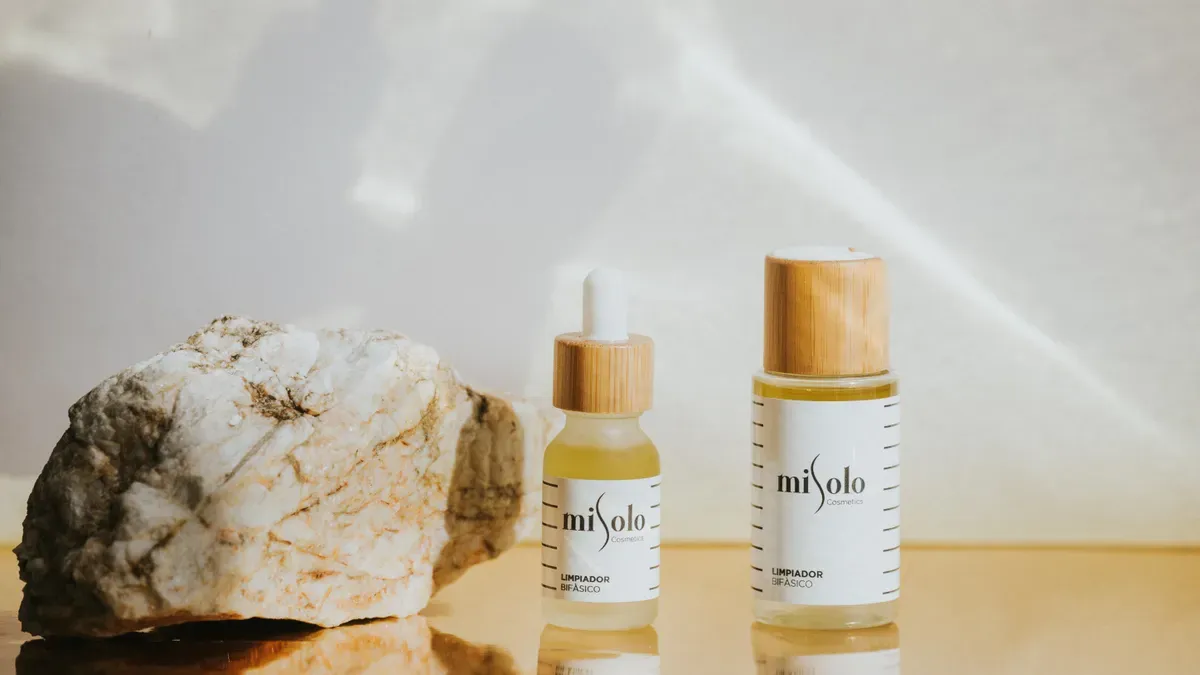
3.1 Custom Design & Decoration
You can use custom jar design to make your face cream products stand out in a crowded market. Custom shapes, unique colors, and special finishes help your brand communicate its identity and values. When you invest in custom packaging, you create a memorable tactile experience for your customers. This approach increases the chance that buyers will remember your brand and choose your product again.
Popular decoration techniques for premium face cream jars include:
|
Decoration Technique |
Description |
|---|---|
|
Frosting |
Imparts a smooth, matte, creamy texture to the glass surface. |
|
Silkscreen Printing |
Allows intricate logos and complex designs to be printed with clarity. |
|
Metallization |
Achieves a high-brightness mirror reflection effect on the glass surface. |
|
Lacquering |
Applies a glossy coating for a sleek, polished aesthetic. |
|
Hot Stamping |
Transfers metallic or colorful designs onto glass surfaces. |
|
Labeling |
Conveys brand personality through color, typography, and texture. |
You can explore Oulete’s customization services to find the best decoration methods for your Private Label Cream Packaging.
3.2 Color, Finish & Brand Identity
Color and finish play a major role in how buyers perceive your face cream jars. Up to 90% of snap judgments about products are based on color alone. Most buyers say color is the main reason for their purchase. Colors evoke emotions and communicate your brand values before anyone reads the label.
-
Unique colors and finishes help your jars stand out on the shelf.
-
Customization creates a signature look that buyers recognize instantly.
-
The right finish, such as matte or glossy, can reinforce your brand’s message.
You can use color and finish guides to select options that match your brand identity.
For face cream brands, packaging design should also consider how products will appear in stores, counters, and promotional areas. A well-planned Custom Cosmetic Retail Display can help organize cream jars by series, highlight hero products, and create a stronger shelf presence for private label skincare lines. When packaging color, finish, and brand identity are consistent with the display structure, customers can understand the product positioning more quickly and brands can create a more professional retail presentation.
3.3 Eco-Friendly Packaging Options
Sustainable packaging choices can enhance your brand image and attract environmentally conscious clients. Many brands now use materials like glass, post-consumer recycled plastic (PCR), and sugarcane-based plastics. These materials offer strong recyclability and lower environmental impact.
-
Glass jars are highly recyclable and have minimal environmental impact.
-
PCR plastic is popular for its eco-friendly properties.
-
Sugarcane materials offer an innovative, plant-based alternative.
Brands such as Lush and The Body Shop use recyclable and PCR materials in their jars. These choices show a commitment to sustainability and help you differentiate your products in the market. You can learn more about eco-friendly packaging options to align your brand with current trends.
Tip: Sustainable packaging not only appeals to eco-conscious buyers but also strengthens your brand’s reputation in the B2B skincare sector.
Part4: Practical Considerations
4.1 Cost & Supplier Selection
You must balance packaging costs with supplier reliability to protect your margins and brand reputation. Glass jars often carry higher production and shipping costs because of their weight and complexity. Plastic jars offer a more cost-effective solution for mass-market products. Eco-friendly options, such as post-consumer recycled plastic, may require additional investment but support sustainability goals.
|
Material |
Cost Implications |
|---|---|
|
Glass |
Higher production and shipping costs due to complexity and weight. |
|
Plastic |
More cost-effective for mass production, suitable for budget-friendly products. |
When you evaluate suppliers, consider several criteria to ensure consistent quality and timely delivery. Reliable suppliers provide clear communication, maintain strict quality control standards, and offer a diverse product range. Responsive customer service helps resolve issues quickly.
|
Criteria |
Description |
|---|---|
|
Supplier Reviews |
Look for reviews or testimonials that showcase their reliability. |
|
Clear Communication |
Establish clear expectations upfront to avoid delays and misunderstandings. |
|
Quality Control Standards |
Suppliers should have clear quality standards and transparent manufacturing processes. |
|
Product Range |
A diverse selection of products can better meet changing needs. |
|
Customer Service |
A responsive team can facilitate a smoother purchasing process and provide support when needed. |
Tip: Request samples and compare custom packaging quotes before making a final decision. This step helps you assess quality and negotiate better terms.
4.2 Regulatory Compliance
You must comply with packaging regulations in every market where you sell face cream jars. Regulations in the US and EU require accurate labeling, ingredient transparency, and traceability. Packaging materials must pass compatibility tests to ensure they do not react with cream ingredients or leach harmful chemicals. You must protect creams from air, moisture, and light to maintain product integrity.
|
Region |
Key Regulatory Requirements |
|---|---|
|
EU |
Regulation (EC) No 1223/2009, Responsible Person, CPNP registration, Country of Origin, PAO, Minimum Durability, Batch Number, Product Function, Allergen labeling |
|
US |
FPLA and FDCA compliance, Principal Display Panel, Information Panel, INCI ingredient list, Warning statements, Manufacturer address |
-
Glass jars provide a high-end feel and excellent protection against environmental factors.
-
Plastic jars are lighter and safer, suitable for travel and mass-market products.
-
Regulations encourage the use of eco-friendly materials, pushing brands to adopt sustainable practices.
You can review compliance guidelines from Cosmetic Regulation EU and FDA Cosmetics to ensure your packaging meets all requirements.
Note: Regulatory compliance protects your brand from costly recalls and legal issues. Always verify that your packaging supplier understands the latest standards.
You can elevate your face cream brand by choosing jars that protect your formula, reflect your brand identity, and meet safety standards.
-
Select materials that match your product and market goals.
-
Test closures for compatibility and security.
-
Prioritize suppliers with strong quality control.
-
Embrace sustainable options to boost your reputation.
Tip: Align your packaging with your brand’s values and market trends to build trust and drive long-term growth.
FAQ
What jar material works best for sensitive face cream formulas?
Glass jars offer strong chemical resistance and protect sensitive formulas. You can also consider airless pump jars for skincare to reduce oxidation and contamination risk.
How do you ensure packaging meets international regulations?
You should work with suppliers like Oulete who understand global standards. Always request documentation for compliance with FDA and EU cosmetic packaging rules. Reliable partners help you avoid costly recalls.
Can you use refillable jars for face cream brands?
Yes, you can choose refillable skincare packaging to support sustainability goals. Refillable jars reduce waste and appeal to eco-conscious retailers.
What is the benefit of airless jars for face creams?
Airless jars protect creams from air and bacteria. You extend shelf life and maintain product integrity. Airless designs also support hygienic dispensing, which is important for professional skincare brands.